
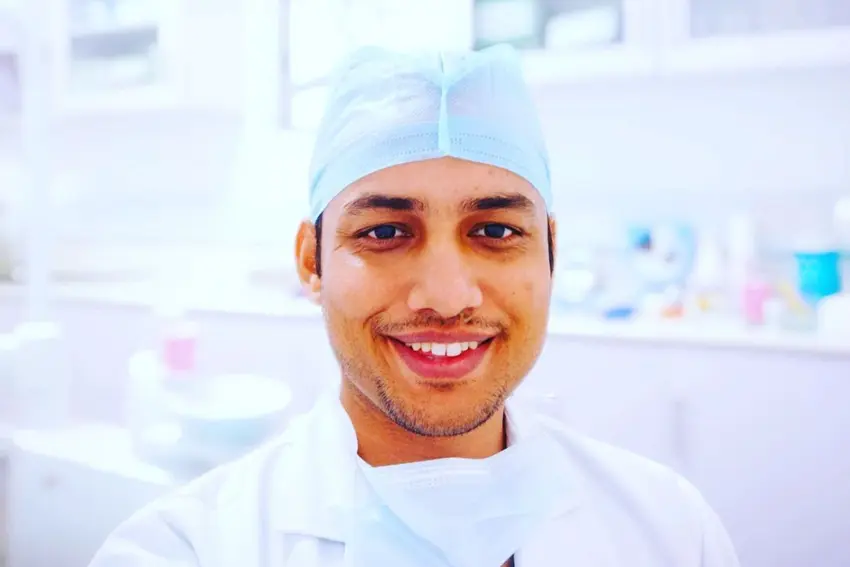
The paths that lead foreigners to settle in Germany are manifold.
For one man, who arrived in Rhineland-Palatinate just 10 months ago, it was the desire to experience new things and make a difference that brought him to the Bundesrepublik – more than 7,500 kilometres from his previous home.
The Local spoke with Dr. Bibhakar Ranjan, a dental surgeon who is among the candidates running for the Advisory Board for Migration and Integration (Beirat für Migration und Integration) in the town of Unkel, about his motivation to get engaged with local politics and what he sees as the key issues Germany needs to address regarding the integration of foreign workers.
India to Seychelles to Rhineland Pfalz
Ranjan told The Local that through his life’s journey he has experienced the process of integrating into a new culture with a new language many times over – from northern India to southern India, to Mumbai, to Seychelles, and now Germany.
Each of these moves involved adapting to new languages, including; Hindi, Kannada, Marathi, Creole, French, and now German.
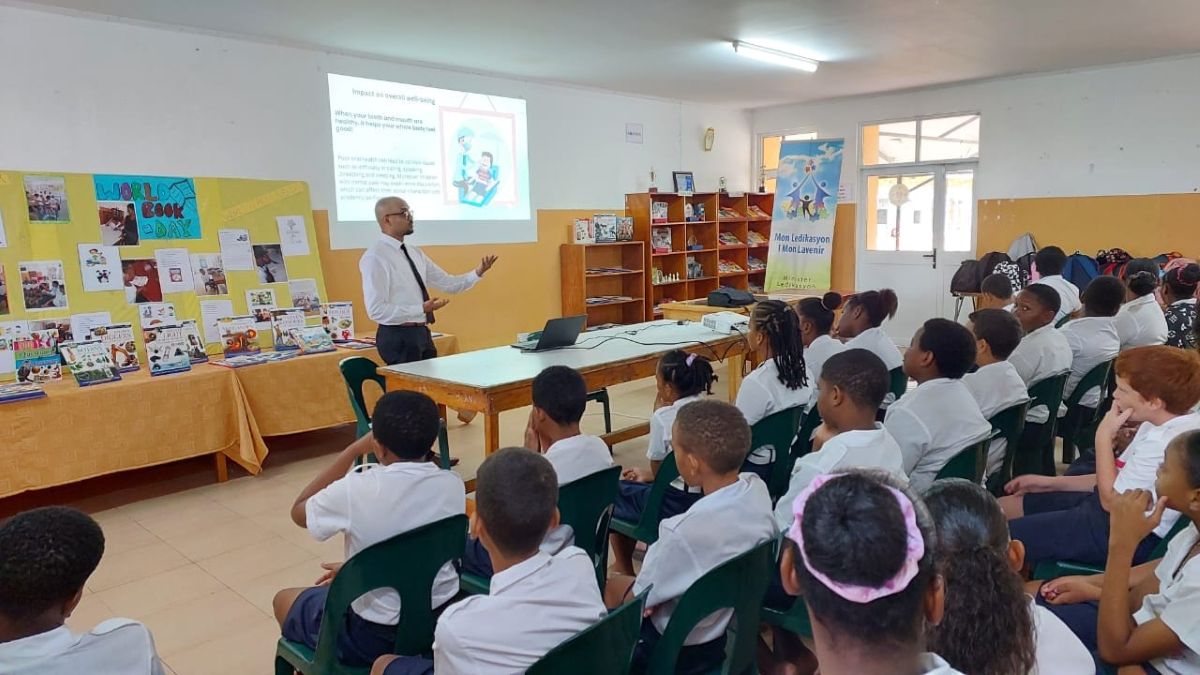
Asked why he decided to uproot his life and come to Germany, Ranjan said he wanted to challenge himself with new experiences.
“I wanted to put myself under pressure to learn something new, to learn a different language,” he said.
A dental surgeon with political ambitions
Ranjan studied in India and began his career as a dental surgeon there before moving abroad. He told The Local that he had practised dentistry for more than ten years before coming to Germany, and that he is currently in the process of having his foreign qualifications recognised here.
But speaking to Ranjan about his goals in the country, it quickly becomes apparent that he has more in mind than establishing himself as a dental surgeon.
In a post on LinkedIn earlier this summer, Ranjan wrote, “I clearly remember the day Rishi Sunak was elected in the UK. My father was watching the news with a proud smile, that an Indian can be the Prime Minister of the UK.
"And I said to him: ‘Someday I will be a minister in the German Bundestag’.”
Of course, Ranjan will have to overcome a number of obstacles before he can launch a campaign to try and get elected as a member of the German Parliament. Not least of which are mastering the language, becoming more fully integrated in society and gaining German citizenship.
In the meantime, however, Ranjan has set himself the short-term goal of being elected to the local Advisory Board for Migration and Integration.
What is the Beirat für Migration und Integration?
The Advisory Board (Beirat) for Migration and Integration is a locally elected council which is intended to advise German politicians about how they can best serve their foreign communities.
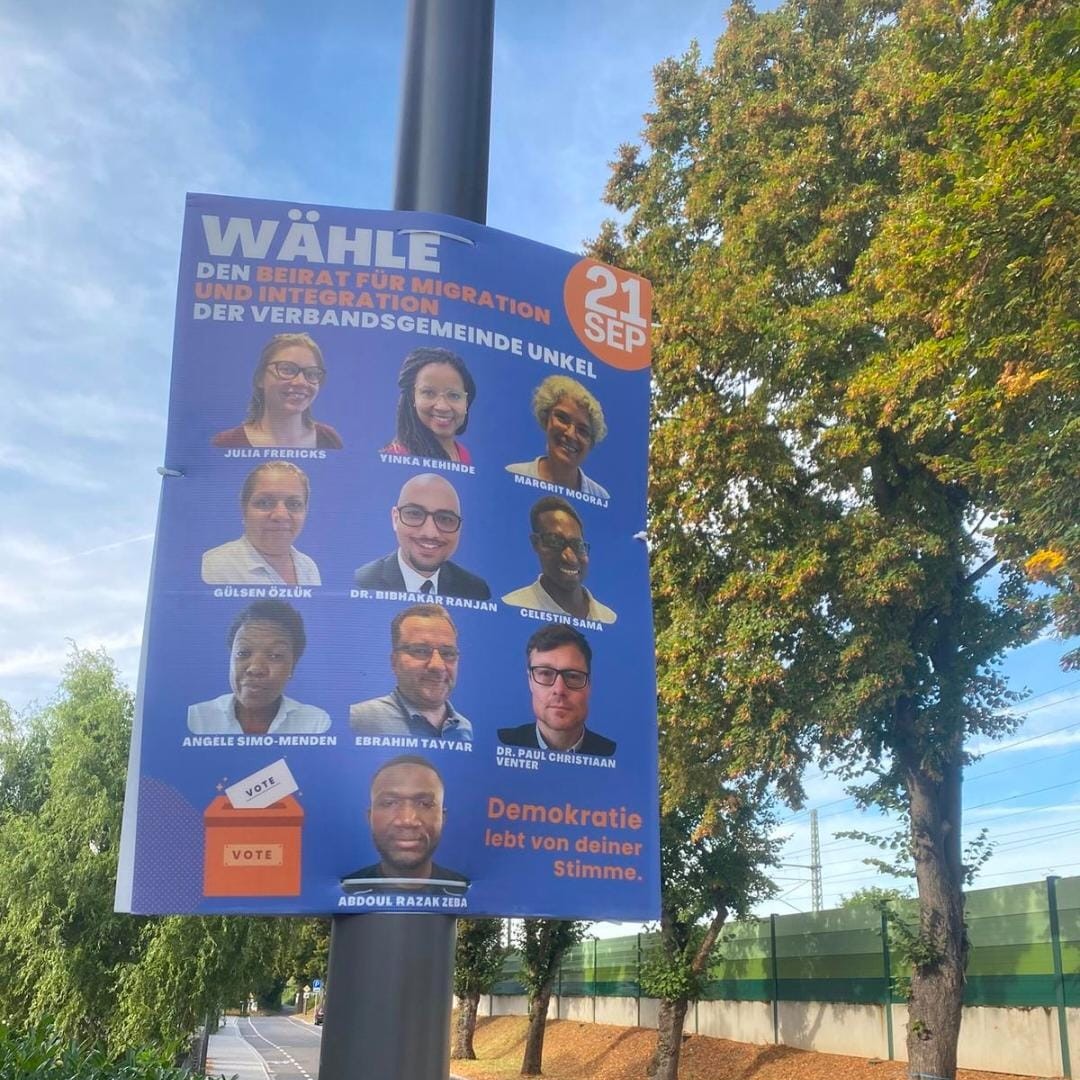
Within the municipal association of Unkel, where Ranjan lives, an election set for September 21st will decide who fills the nine seats on the advisory council for the coming term.
Ranjan is registered as a candidate in the upcoming election, along with nine others.
Residents of the region with foreign citizenship and/or refugees and stateless people who are registered there are entitled to vote in the election to the Beirat, which is done by mail.
READ ALSO: How Indians can protect their residency rights in India after becoming German
‘Germany is trying it's best’
If elected, Ranjan suggests that improving the integration and orientation process for incoming foreigners would be among his top priorities.
“The word migration comes with a stigma,” he said, adding that it’s not only about migrants and refugees, but that even skilled workers from Japan, the US or Australia, face issues here.
“When I came here I found myself isolated, and under extreme pressure and stress. Then I understood that…if I have all the means but still go through rigorous challenges, then what about the people who have less means than me?”
As for the biggest challenges facing foreign skilled workers like himself, Ranjan called out the painfully slow process of having certain qualifications recognised.
“I was the chief of my practice before, and now I am having a tough time getting my foreign degree recognised in Germany,” he said, adding that even over-qualified applicants often wait two years to have their papers checked.
INTERVIEW: 'Don't let fear deter you from new life in Germany,' minister urges
Ranjan also suggested that university students coming from India can face insurmountable bureaucratic hurdles, such as needing to have €12,000 in a blocked account.
Despite the challenges involved with integrating and re-launching a career here, Ranjan maintains that coming to Germany was the right choice.
“I believe Germany is on the right track,” he told The Local. “If you see India, if you see America, there's a disparity in the power somewhere, disparity in the power of the rich and that of the poor.
“I feel that Germany is trying to do its best…And it's our responsibility to make it a nice place for everyone to live…not leaving anyone behind.”
 James Savage

Comments (1)