

Inside Germany is our weekly look at some of the news, talking points and gossip in Germany that you might've missed. It’s published each Saturday and members can receive it directly to their inbox by going to their newsletter preferences or adding their email to the sign-up box in this article.
On Friday, the last Bundestag session before parliament’s summer break ended in embarrassment for Germany’s black-red government leaders when a planned vote on three would-be constitutional court judges was cancelled at the last minute due to political disagreements.
Elections to Germany’s highest court (Das Bundesverfassungsgericht) aren’t normally surrounded by so much controversy. But a recent rule change requires candidates to be approved by a two-thirds majority in the Bundestag, which is a larger majority than the black-red government currently holds.
This meant that even if the conservative Christian Union (CDU/CSU) and centre-left Social Democrat (SPD) parties voted in complete agreement, they would still need votes from members of the opposition – including at least a few from either the far-right Alternative for Germany (AfD) or Left parties.
In the end, however, it wasn’t the opposition putting a wrench in the gears, but inner-squabbles between the CDU and SPD.
The area of contention was around the election of Frauke Brosius-Gersdorf, who was nominated by the SPD but seen as problematic by a number of conservatives. Merz’ CDU said they paused the vote due to (unsubstantiated) allegations of plagiarism against her, but recent reports suggest that conservative politicians were more uncomfortable with her support for abortion rights.
Although it’s generally accessible up until the 12th week of pregnancy in Germany, abortion is still not fully legalised, and remains a contentious issue in politics.
READ ALSO: Six things to know about abortion in Germany
While the CDU succeeded in blocking Brosius-Gersdorf, it might also have damaged itself by making the black-red government look weak and ineffective. The previous traffic light government was marked by in-fighting and its own failure to find agreement on key issues eventually led to its collapse.
Snow in July?
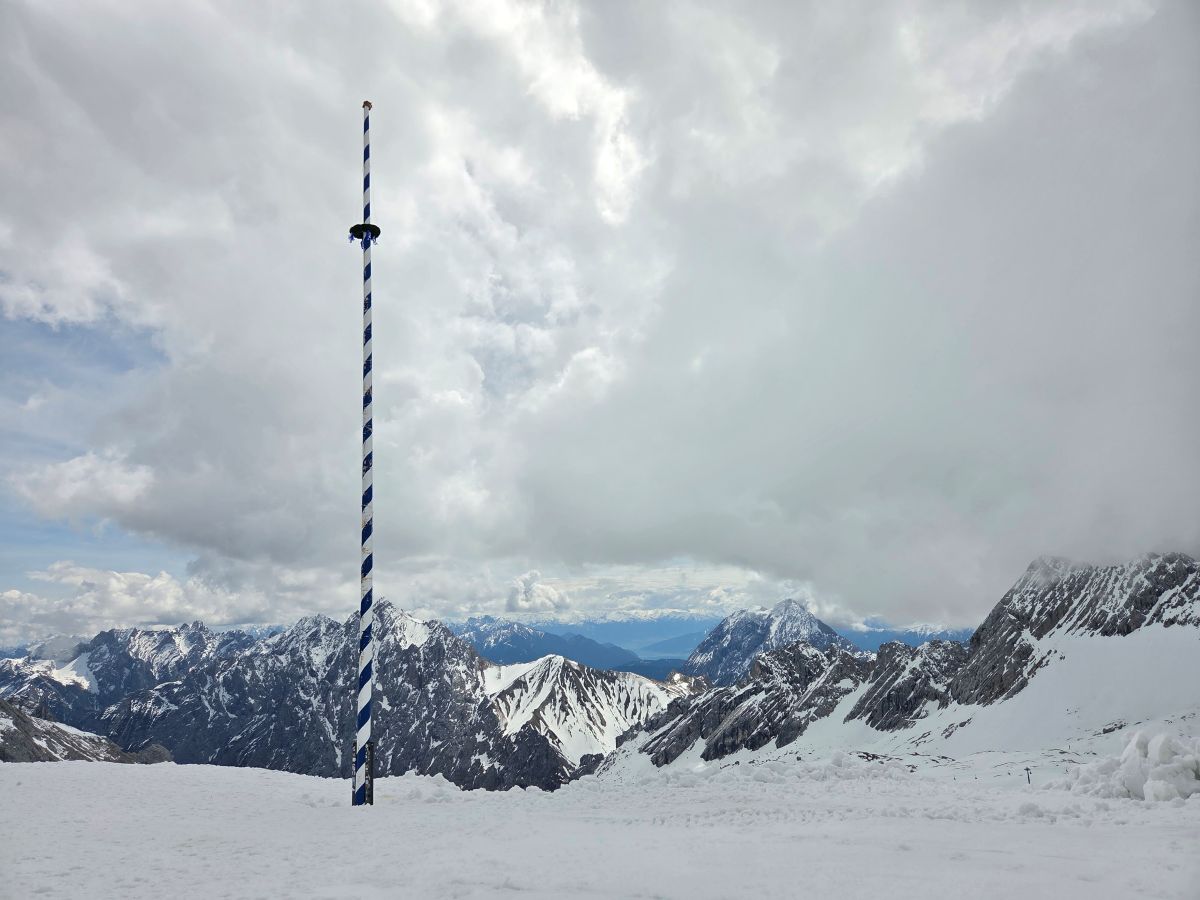
Over ten centimetres of fresh snow fell around Zugspitze this week, bringing a bit of winter to midsummer for people in the German Alps.
The Zugspitze.de TikTok account (which promotes the Bayerische Zugspitzbahn, or the cable car which services Germany’s highest peak) posted a video of employees clearing snow from walkways in the middle of blizzard conditions.
According to a report by local outlet Rosenheim 24, cool rain lower down brought “much-needed refreshment to the Bavarian lowlands”.
While snow in July would be outrageous in most places in Germany, in the highest parts of the Alps the weather can get cold enough that summer snow storms are not entirely uncommon.
It is interesting to note, however, that the brief chill came just a week after a record breaking heatwave across Europe – and shortly before another is expected to set in.
Experts say that climate change doesn’t only make temperatures warmer on average, but also makes weather extremes more common and pronounced. With that in mind, it's possible that heatwaves and cold-snaps in summer will both become more common and more dramatic in Germany in the future.
Berlin gets ready for Rave the Planet
The techno spectacle "Rave the Planet" is set to take over Straße des 17. Juni in Berlin on Saturday with 300,000 people expected to attend.
According to organizers the event will feature around 290 artists, 35 floats, and 56 speeches.
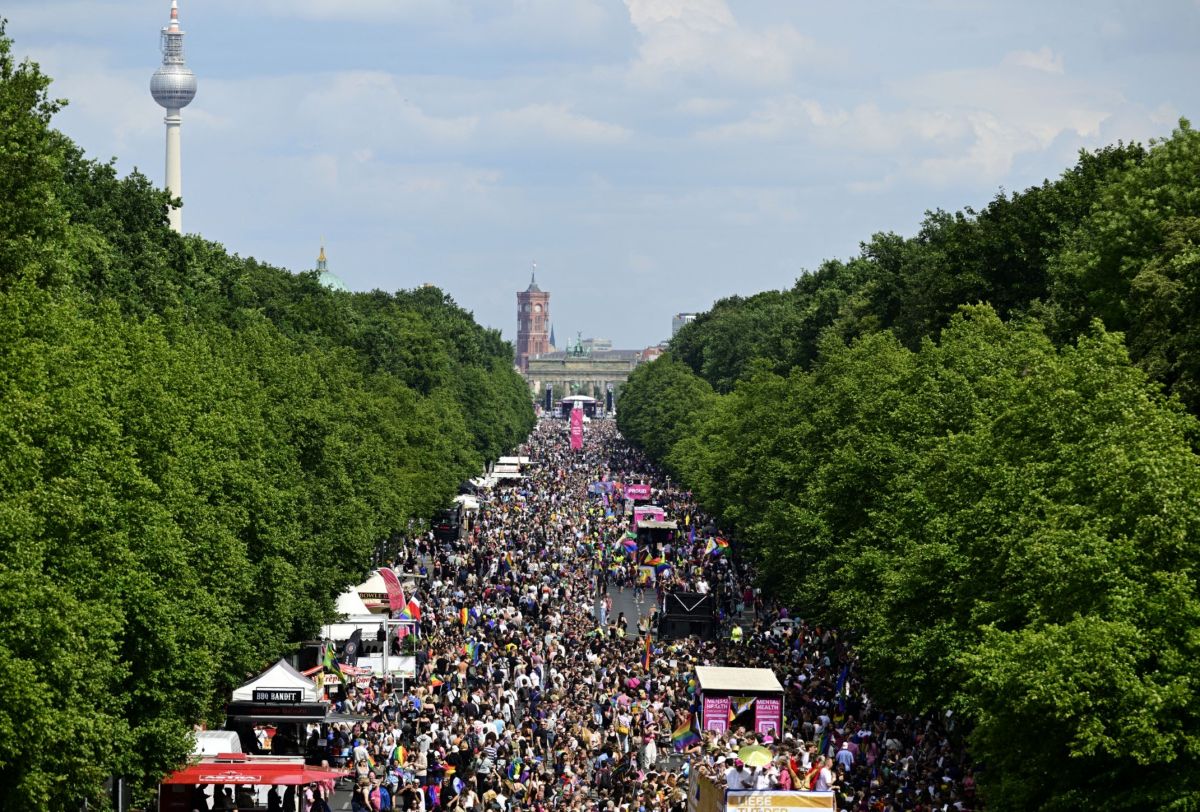
Rave the Planet is the unofficial successor to the former Love Parade, and is effectively an annual celebration of Berlin’s world-famous (and now UNESCO recognised) techno culture.
Two weeks later, the same street will again be filled with hundreds of thousands of people and loud techno music for the Christopher Street Day LGBTQ+ pride celebration, which is scheduled for Saturday, July 26th this year.
Comments