
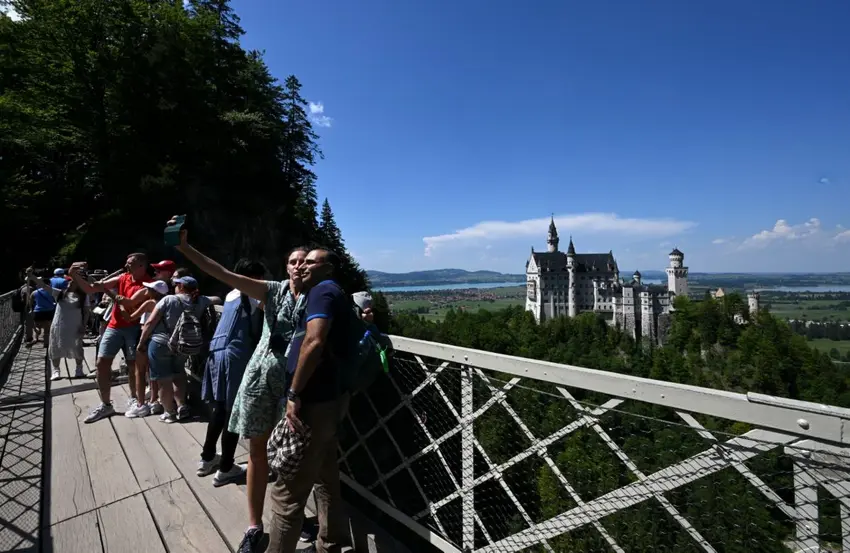
Popularity always comes with a price. Many of Germany’s most iconic tourist attractions have become so crowded in recent years that it can be tricky to really see what you're looking at through the seas of other onlookers armed with selfie-sticks.
But in a country with so much history and many rich traditions, there's nearly always an alternative to the queues and complications of visiting a guidebook heavy-weight.
In many cases, an alternative destination may be even more awe-inspiring, and sometimes it's only just around the corner.
Here's our list of five of the most overcrowded tourist attractions in Germany - and our recommendations for the lower profile destinations you can try instead.
1. Neuschwanstein Castle
Perched atop a rugged hill in Bavaria, Neuschwanstein Castle in Bavaria was the original inspiration for Disney’s Cinderella Castle.
It's since become one of Germany's biggest tourist attractions, with visitors coming from far and wide to catch a glimpse (and many photos) of the picture perfect palace.
But with over 1.3 million visitors annually, the current reality is that guests here need to secure timed entry slots that are booked out weeks in advance, and then endure slow-moving tour groups that clog the castle's halls.
READ ALSO: 10 surprising facts you should know about Neuschwanstein Castle
In peak season, the lines for tickets can stretch for hours, while the nearby village of Schwangau groans under the weight of busloads of tourists – and the situation may actually get worse going forward as the castle has just been added to UNESCO’s World Heritage list.
Where to go instead
Germany is home to thousands of castles - perhaps as many as 25,000 according to some estimates - so you shouldn't have too much trouble finding an alternative to Neuschwanstein that is every bit as captivating.
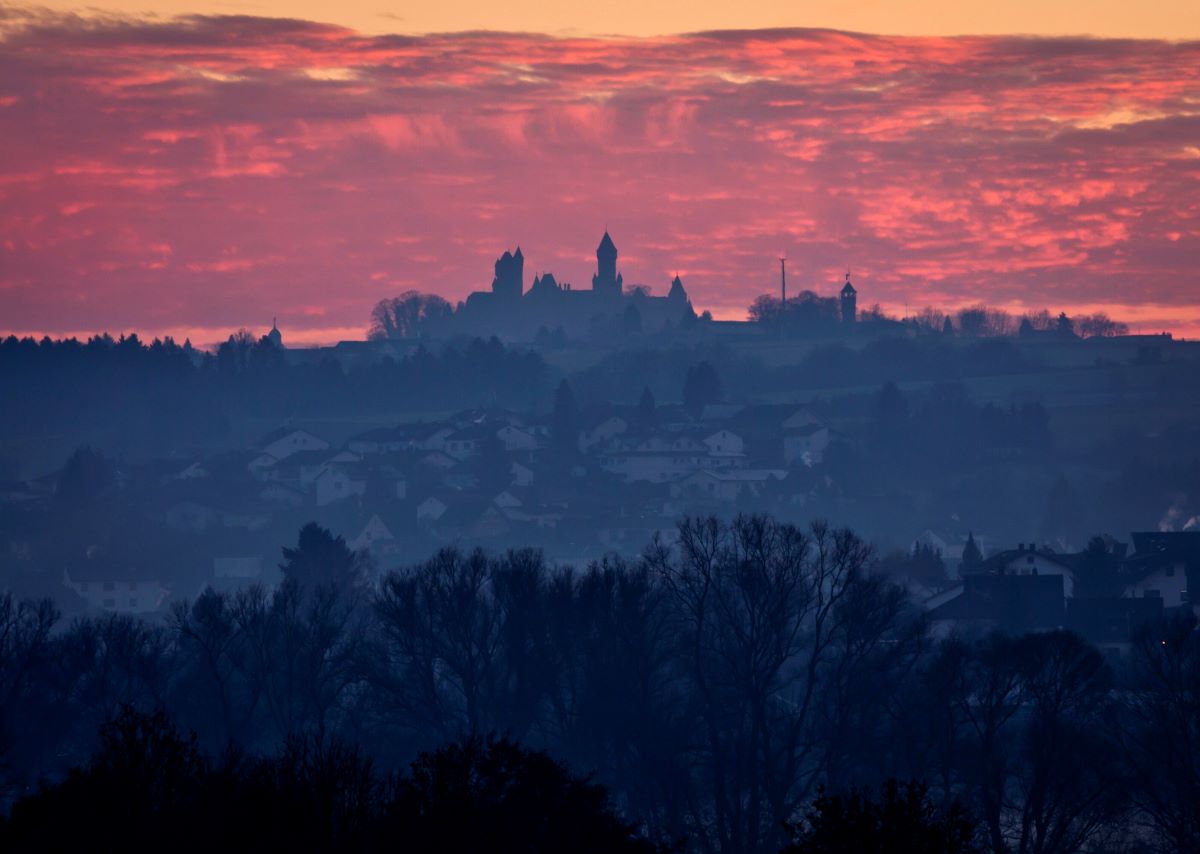
Braunfels Castle in Hessen, for example, offers a similarly magical silhouette, complete with towers and ramparts, but without the crowds.
Family-owned for centuries, the castle offers guided tours, art exhibits, and peaceful gardens.
Other castles well worth a visit include Marienburg Castle, located 30 kilometres from Hannover on the outskirts of Hildesheim. Built between 1858 and 1867 by King George V as a gift for his wife, it's one of the best-preserved castles in Europe.
Or, if you're absolutely set on the Bavarian fairy tale idea, you can check out Hohenschwangau.
It’s actually possible to see Hohenschwangau from Neuschwanstein (and vice versa). The two castles are only about 20 minutes apart by foot, but, as the less popular neighbour, Hohenschwangau receives just a fraction of the visitor numbers.
2. Cologne Cathedral
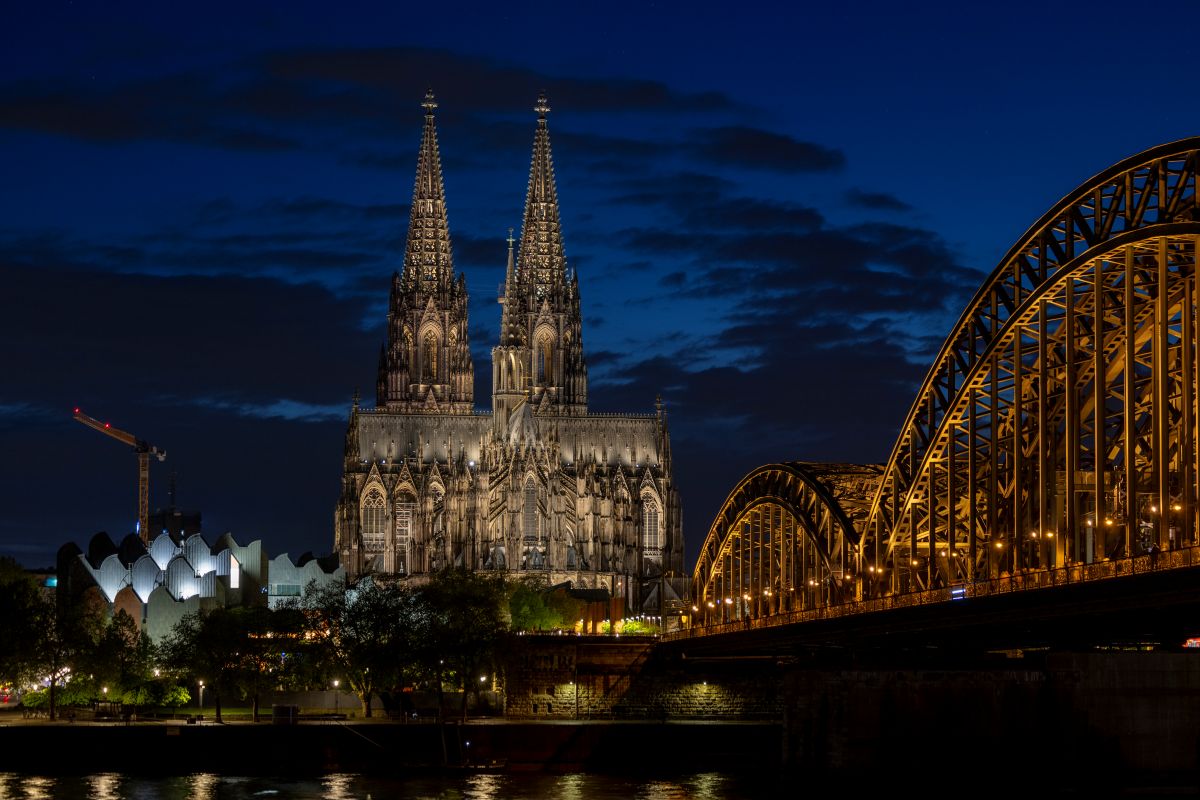
Cologne’s gothic cathedral is Germany’s most visited single attraction, with over four million annual visitors.
Its soaring spires and awe-inspiring nave are breath-taking, but there’s a good chance you’ll spend more time queuing than contemplating if you visit these days.
On weekends and holidays, the lines to enter the cathedral or climb the tower can snake around the square, and tourists are often packed shoulder-to-shoulder in the interior.
Where to go instead
Aachen Cathedral in the nearby city is a UNESCO World Heritage site with a history every bit as grand as Cologne’s.
One of the oldest cathedral buildings in Europe, it was originally constructed as the royal chapel for Charlemagne's Palace of Aachen. The first Holy Roman Emperor was buried there in 814.
Best of all, it’s often quiet enough to actually sit and contemplate – either the Divine, or the divine design of the mosaics and the Palatine Chapel.
READ ALSO: Everything you need to know about the Catholic community in Germany
3. Munich and Oktoberfest
Munich is a popular tourist destination year-round, with huge numbers of visitors attracted by the historic centre, grand palaces, and legendary beer halls.
But nothing compares to the crush of Oktoberfest, when millions descend on the city for the world’s biggest beer festival.
READ ALSO: Dirndls, tents and 'Radler' - How to do Oktoberfest like a German
Hotels sell out months in advance of the event, public transport is jammed, and the festival tents are packed from morning to night. Even outside Oktoberfest, sites like Marienplatz and the English Garden swarm with tourists.
Where to go instead
Kulmbach Beer Week (Kulmbacher Bierwoche) in northern Bavaria runs from July 26th to August 3rd this year and attracts about 120,000 visitors annually, rather than millions.
Kulmbach, a charming, medieval town with plenty of its original buildings still intact, offers all the fun of a traditional beer festival - local brews, hearty food, and live music - but in a vastly more relaxed and welcoming setting (and without the funfair!).
Also, around the same time as Munich's Oktoberfest, you can find similar folk festivals and even other smaller Oktoberfest celebrations at other German cities, particularly around the south of the country.
OPINION: Why Oktoberfest is one of Germany's worst beer festivals
4. Rothenburg ob der Tauber
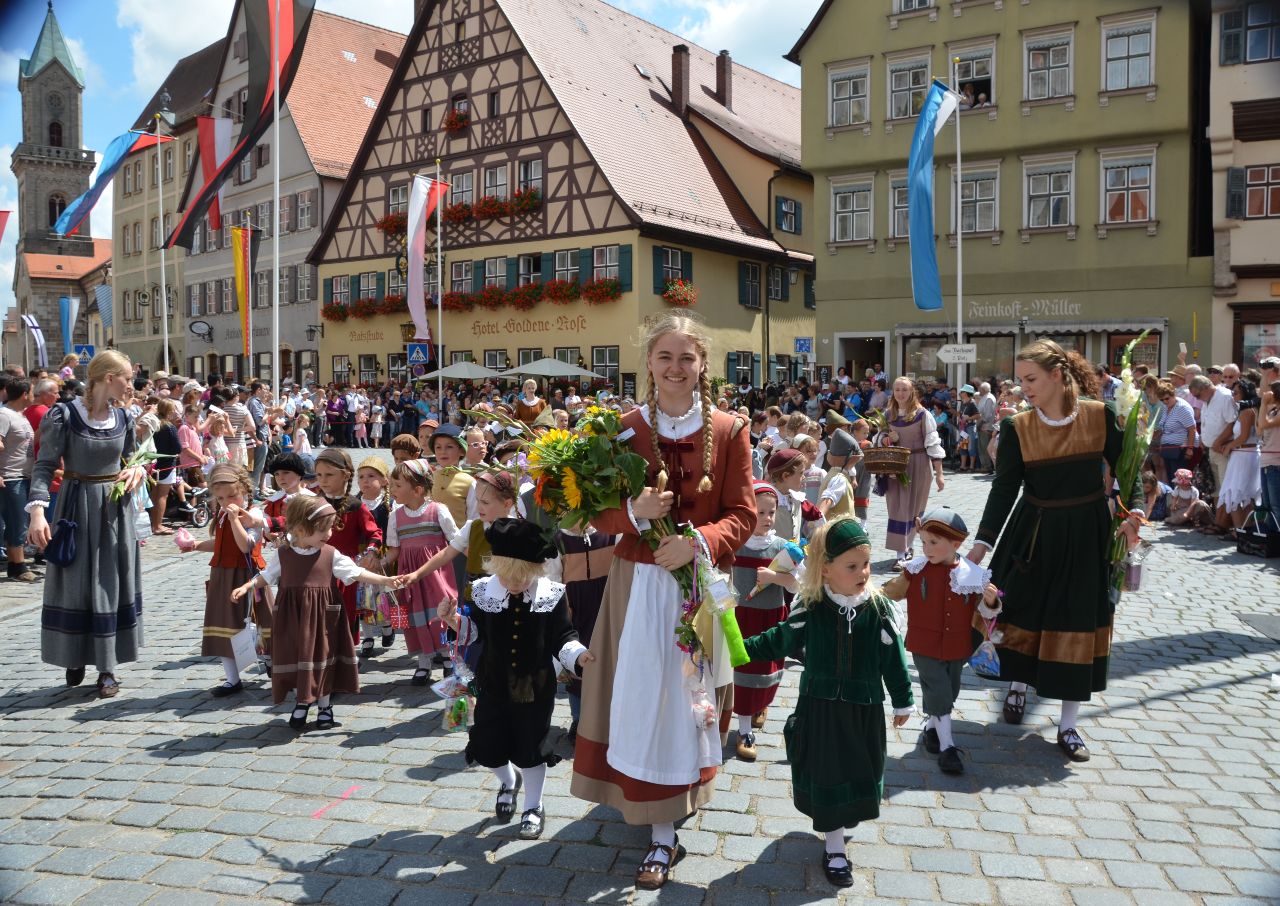
Rothenburg’s perfectly preserved medieval walls and half-timbered houses have made it a fixture on Germany’s Romantic Road, and a top-line recommendation on most tourist blogs.
But with nearly two million visitors annually, the town’s narrow streets can be clogged with tour groups, and finding a quiet corner is increasingly difficult during the holiday season.
Where to go instead
A similarly extraordinary gem of medieval architecture, the Bavarian town of Dinkelsbühl features colourful houses, cobbled lanes, and a tranquil pace.
Although a little off the beaten path, it remains largely untouched by mass tourism – unlike Rothenburg – allowing visitors to soak in its history and charm on their own terms.
READ ALSO:
- Six of the most charming Bavarian towns to visit this summer
- Eight of the most beautiful German villages to visit this summer
5. Berlin
Germany’s capital is a must-see for history buffs and culture lovers alike, with landmarks including the Brandenburg Gate, Museum Island, and the Berlin Wall Memorial drawing tens of millions of tourists every year.
But Berlin's main attractions are often packed, especially during in summer.
Where to go instead
Leipzig may not be as big as Berlin, and it certainly isn’t as famous, but it does have a bit of everything you might hope to find in the German capital, without ever feeling like a desperate mini-me.
As a major university city, Leipzig has all the bars you could wish for. As a relatively cheap place to live, it has also attracted a substantial community of artists and other creatives who have transformed the city. A perfect example of this transformation is found in the Baumwollspinnerei (Cotton Mill). Formerly the largest cotton mill in Europe, the Baumwollspinnerei is currently home to 100 art studios, 14 galleries, a cinema and a theatre.
Leipzig is famous as the site of the peaceful mass demonstrations in 1989 which helped trigger the fall of the communist regime in East Germany. But much of its surviving architecture, including the old town hall, dates back to the Renaissance era.
For a real sense of Leipzig's history, you can have a drink in the city's second oldest pub, Auerbachs Keller, which appears in Goethe’s play Faust from 1808.
What have we missed? Leave a note about other lesser-known wonders you've discovered on your travels in Germany in the comments below.
Comments (2)