
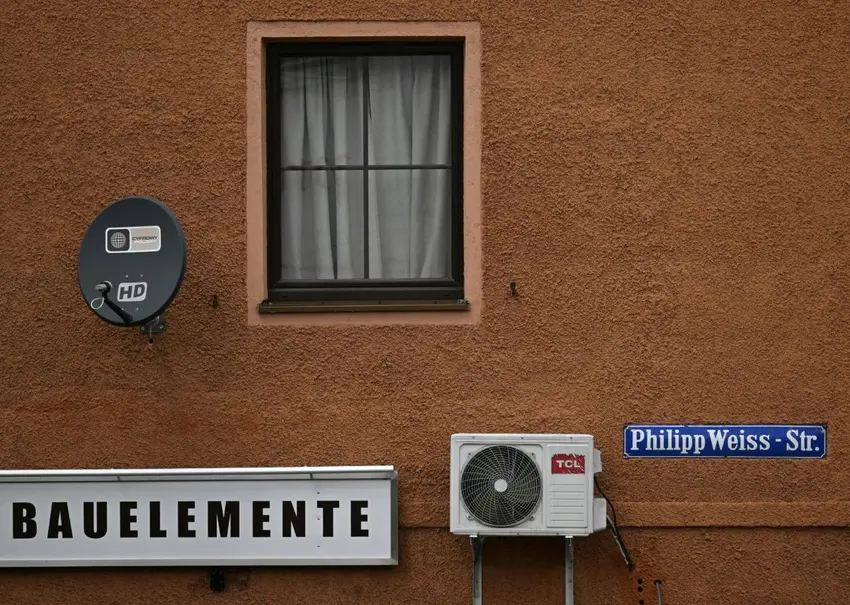
Houses and apartments with air conditioning (Klimaanlage) are not very common in Germany. With average temperatures rising, however, and heatwaves growing more frequent, residents in the country are increasingly looking into new options for cooling their homes.
While homeowners are generally free to install air conditioning units at their own discretion, renters will often need to obtain their landlords permission to make structural changes – such as bolting an air conditioner to the exterior wall.
Here's what you should know about the rules around installing A/C units in a home in Germany.
Do I need permission from my landlord?
Generally tenants will need their landlord's permission to make structural changes to their rented apartment.
So to install a standard air conditioning system, which includes a box that needs to be permanently mounted on an exterior wall of your home, you'd need explicit permission from your landlord.
Similarly, if you're living in a condominium, you'll probably need consent from the homeowners' association to make the structural changes involved.
If you have an air conditioning unit installed without obtaining permission first, you may end up needing to remove the system at your own expense and paying for any damages.
READ ALSO: Why it's hard to find an apartment with air conditioning in Germany
Are there air conditioners that I can install without permission?
If your landlord won't allow you to install a fixed air conditioning system, there are "mobile" units (Mobile Klimaanlage) that you can buy and use without asking for permission.
These machines can be used without making any structural changes to your home, which is why you don't have to inform your landlord.
Many of these units require an exhaust hose which typically leaves the home through a window, and you'll need to make this work without making any structural changes. There are special adapters for this purpose -- just bear in mind that you still need permission from your landlord if you have to make any permanent physical alterations to the window or window frame.
What if I own my home?
If you own your own home then, obviously, you can decide for yourself if you want to invest in and install an A/C system. However, there are a few ordinances to be aware of.
A federal law – called the Federal Immission Control Act – maintains that outdoor air conditioning units can't be loud enough to disturb the peace. In residential areas, this means the unit can't make noises exceeding 35 decibels at night.
It's also important that the unit is installed in a place where it won't disturb your immediate neighbours. Generally this means that an outdoor unit has to be placed at least three metres away from the property line.
Many federal states in Germany also have rules that may apply if the installation changes the façade, windows or the appearance of the building.
READ ALSO: Sparkonto - Where to find the best high-yield savings accounts in Germany
Practical tips
If you are planning to go ahead with installing air conditioning, here are a few things to consider:
- Take a close look at your rental agreement before buying or installing anything, and check for any specific provisions about air conditioning systems.
- You'll be better off having an A/C unit installed by a professional in most cases. This also reduces the risk of doing unnecessary damage to the apartment or building.
- If there is any doubt, clarify in advance who is responsible for the costs of installing and maintaining the air conditioning system. In some cases, the landlord may cover the costs, but if it's your idea, you'll probably be responsible.
- Make a clear agreement about the removal of the air conditioning unit when you move out. Tenants in Germany are usually expected to return apartments in their original condition.
- It's always a good idea to keep a written record of agreements and approvals in order to avoid possible conflicts, or defend yourself, in the future.
Comments