

No school system is perfect, and the German system is arguably better than most. It has its flaws, however. In many parts of the country there are too few teachers, which can have a significant impact on morale.
The lack of teachers, combined with inadequate resources and declining facilities, are frustrating but manageable aspects of raising school-aged children in Germany.
Less manageable, in my opinion, is the weight given to Mitarbeit and the wholly counter-productive interpretation of the term which too many schools seem to have adopted.
What is Mitarbeit?
Literally, the term means "working with". In the context of education, it is usually translated as "participation”.
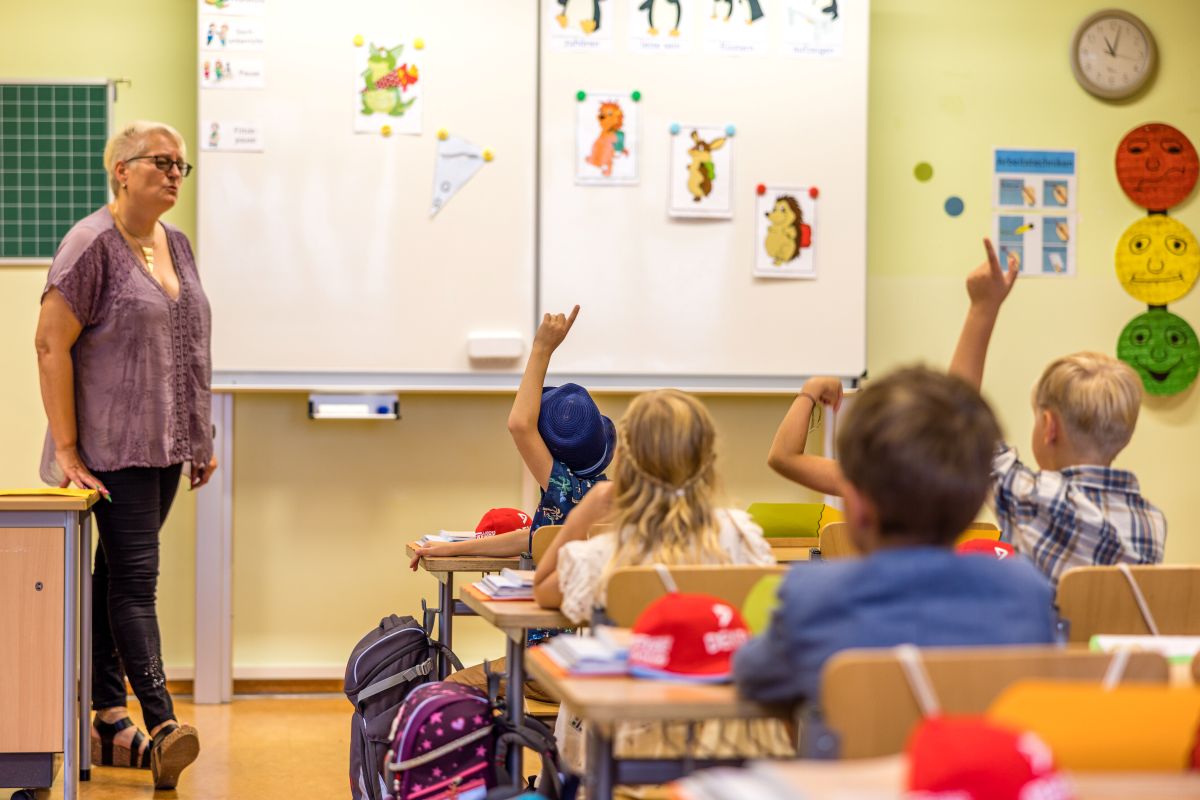
Essentially, it’s a system whereby teachers are obliged to judge their pupils based on how frequently, effectively, and enthusiastically they answer questions in class.
READ ALSO:
- How all-day school could worsen Germany's teacher shortage
- The things they don't tell you about raising kids in Germany
The concept was introduced in German schools in the 1950s, by a post-war generation keen to overcome authoritarian structures and strengthen democratic awareness among children.
Since the 1970s, Mitarbeit has developed from a general concept for learning in German schools into an explicit performance assessment criterion.
In other words, responsibility for participation has shifted from teachers to students. A shift which has been enforced by giving Mitarbeit heavy weight in students' overall grades, and by making the judgement criteria almost completely arbitrary.
Today, the proportion of an overall grade which rests on the teacher’s Mitarbeit assessment is often between 30 and 50 percent, and in some cases even higher (in languages or subjects like ethics, for example).
The exact weighting varies depending on the state and the type of school, and is often left to the discretion of individual teachers.
Why Mitarbeit grading is problematic
In my own experience raising children in the German school system, I've witnessed a number of problems with this practice.
Children tend to thrive when they feel a measure of control over their environment. My own 13-year-old daughter has figured out how to give her teachers what they want when it comes to exams. In ethics, for example, her exam results for the current school year combine to give her a Grade 1 (the highest grade in the German system).
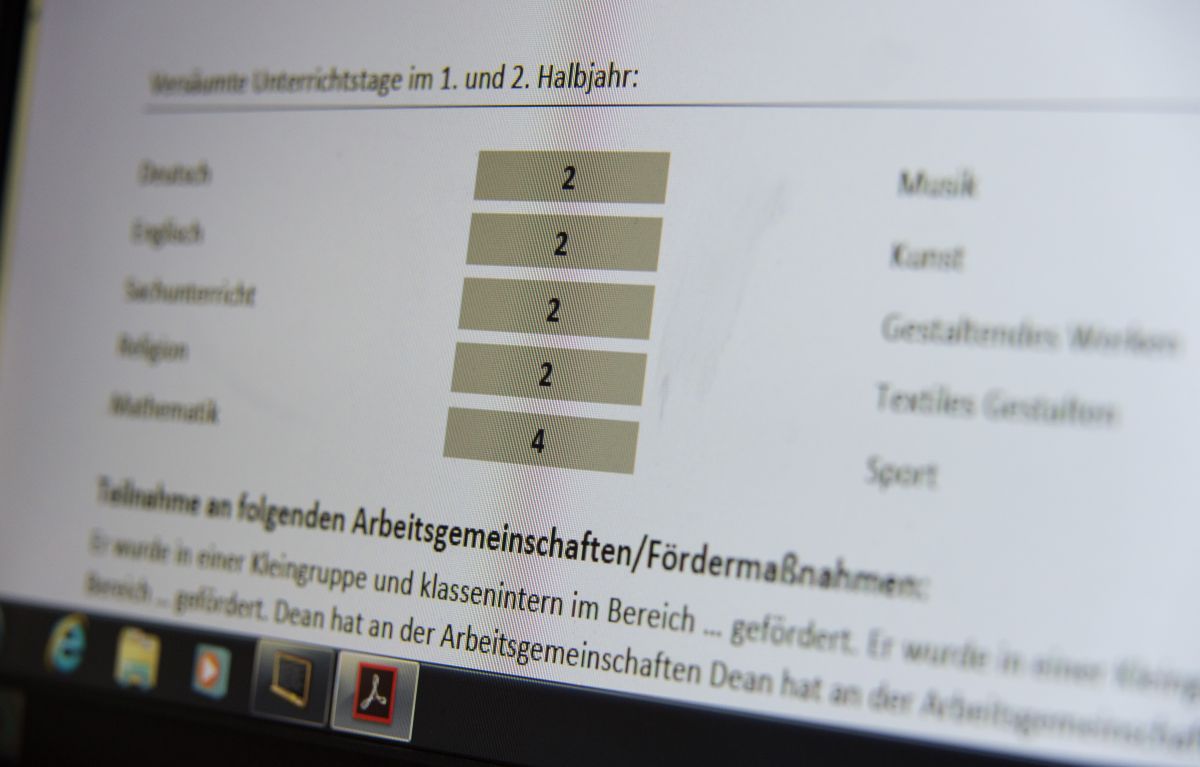
Last week, her teacher told her she would receive a Grade 4 for Mitarbeit, bringing her overall average for the subject down to a Grade 3.
My daughter came home in tears, prompting my wife to contact the teacher for an explanation.
There are 33 children in my daughter's class. My wife learned that the teacher keeps a list of their names on her desk.
The teacher asks a question and the children raise their hands. The teacher chooses a child to answer the question and makes a cross alongside the relevant name on her list.
Earlier in the school year, my daughter volunteered to sit at the back of the classroom because so many other children wanted to sit at the front – in order to improve their Mitarbeit grades. The teacher does not regard my daughter’s behaviour as an example of Mitarbeit.
My daughter has not been disruptive in class, according to what the teacher told my wife, and the answers she gave when called upon to speak were correct.
READ ALSO: What parents in Germany should know about the planned schools shake up
The teacher's decision to give her a 4 was based purely on the number of crosses next to her name.
The teacher explained that my daughter had to compete with some very energetic Mitarbeiters in her class. My wife asked her whether the energetic Mitarbeiters had also received low grades, for refusing to allow the other students more of a chance to participate. The teacher did not appear to understand the question.
A personal gripe or a genuine problem?
I know there's a risk I'm coming across as just another over-protective parent, crying about the way his precious daughter has been treated.
Maybe there's a grain of truth in that, but I think the system as it’s currently practiced makes an absolute mess of the teacher-pupil relationship, and unfairly penalises the children of foreign parents.
I agree that pupils should avoid disrupting classes as much as possible. And that they should be able to demonstrate that they've learned what the teacher requires them to learn.
But I do not agree that they should be forced to put on a performance of energetic enthusiasm and deep interest. Nor do I think it's ok to enforce this obligation with the threat of poor grades. In fact, I think it's outrageous and a complete abdication of responsibility on the part of their teachers.
In my opinion, it's the teacher's job to make the material interesting and relevant for his or her students.
A study conducted in 2023 by Dr. Carolin Krüll at the University of Münster also came to the conclusion that the Mitarbeit system discriminates against quiet or introverted students.
In addition, constant observation can lead to “permanent performance pressure”, according to the report. Students learn to avoid making mistakes so that “pure learning situations” hardly ever occur in the classroom.
An outsized impact on non-German children
The dangers identified by Dr. Krüll seem particularly acute for children who have an immigrant background or who have only recently arrived in the country.
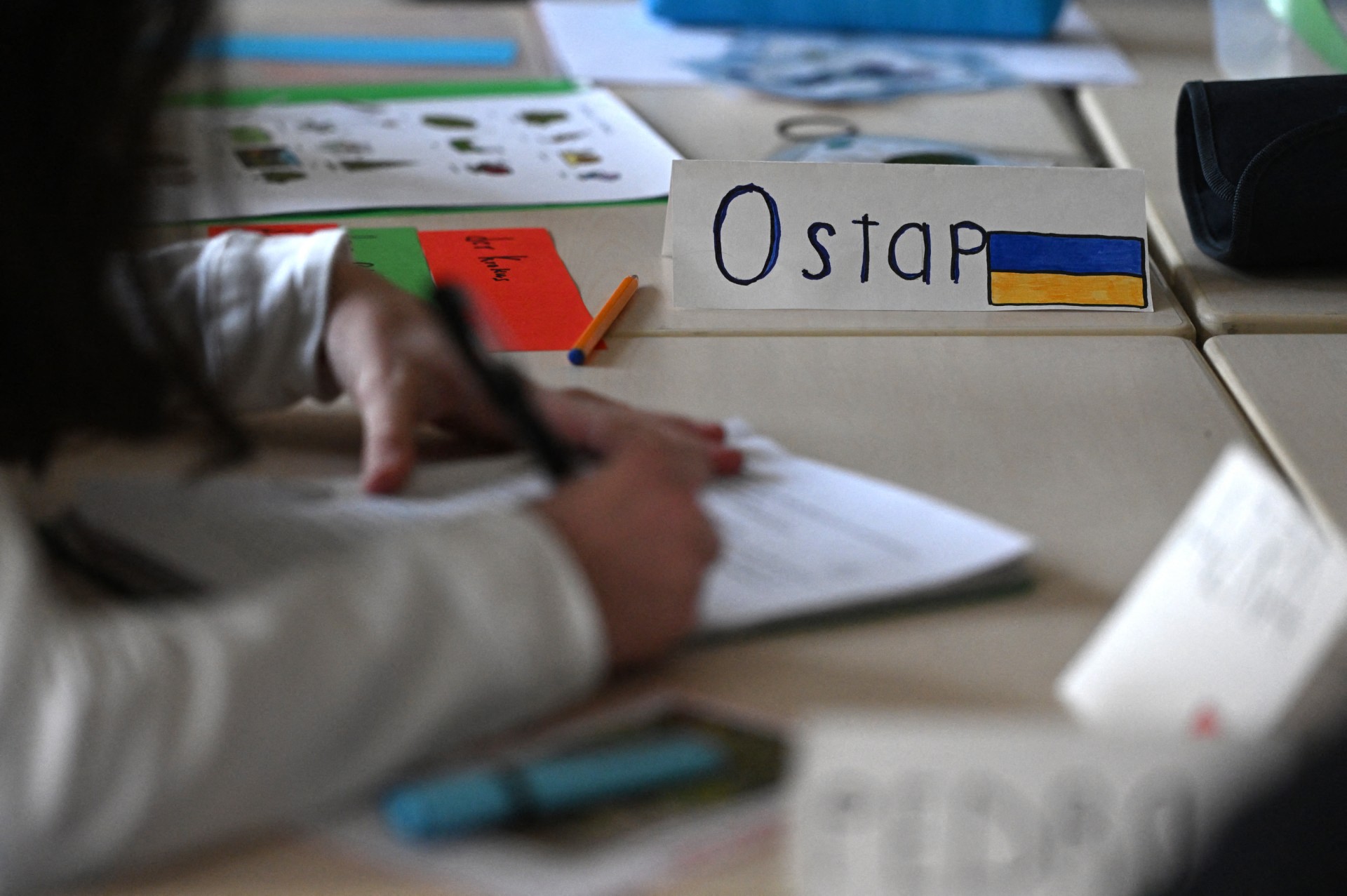
However bright and hard-working these children are, they may not be as confident as their peers when it comes to talking aloud in class.
READ ALSO: Q&A - What we know about Germany's plan to give kids pensions
If they’re bilingual or have direct experience of the cultures or experiences being discussed in class, they may inadvertently contradict the teacher and earn a reputation for being disruptive. In addition, they and their parents will probably find themselves even more mystified by the whole concept of Mitarbeit than German families.
The study by Dr. Krüll made numerous recommendations for how the system could be improved, including greater standardization of assessment criteria, more transparency in the assessment process, and better communication between teachers and students.
Frankly, these changes can’t come soon enough for me (although I’m not holding my breath).
The current system, of enforced enthusiasm and constant pressure to show interest, seems to make a mockery of the stated aim of the concept – to encourage students to engage actively, cooperatively, and reflectively in the learning process.
Comments (5)