

From social benefits to its high-ranking health care system to relative political and economic stability and its rich culture, Germany has much to offer to its residents.
But for foreign residents - regardless of their type of residence permit - there are also certain obligations.
Many of them are basically the same as those expected of German citizens, while others are specific to foreigners.
Here's an overview of the basic rules that apply to foreign residents in Germany, including those that are the same for Germans and foreigners alike.
Pay taxes
This responsibility is set in stone for all adult residents in Germany. So regardless of whether you are a German or a foreign national, you will be taxed on your income and assets.
Many regularly employed workers are not required to file taxes in Germany because income tax is automatically withheld from their pay checks. So, for some, filing taxes is something they'd only dream of doing when they expect to get some money back from the tax office.
However, freelancers and self-employed workers need to file as do people who owe other forms of taxes like for property or inheritance.
Germany's income tax rates are on a progressive sliding scale depending on your income level, and rates may also vary somewhat between regions.
The more you earn and the more wealth you have accumulated, the higher your taxes will be – whether you are German or not.
READ ALSO: Everything you need to know about paying taxes in Germany

Buy health insurance
This too is compulsory in Germany and there's really no way around it.
The choice you do have, however, is which health insurance provider you want to sign up with. High income earners may also choose to sign-up for health insurance with a private company instead of one of the state-backed public insurance companies.
EXPLAINED: Can you switch from private to public health insurance in Germany?
There are also budget plans, such as those for foreign students that offer minimal coverage at extremely cheap monthly rates.
But whichever plan you choose will need to meet the minimum statutory coverage requirements.
READ ALSO: The check-ups you can get in Germany with statutory health insurance
Pay social insurance
In addition to health insurance, all workers in Germany who earn more than €450 per month must contribute to the country's social security system.
Beside health insurance, these include unemployment and long-term care insurance, and for the most workers, also a public pension. Similar to income taxes, these contributions are automatically withheld from pay checks for most regularly employed workers.
Freelancers and self-employed creatives are obliged to make pension contributions under the Artists' Social Fund (Künstlersozialkasse), and there has been recent talk about making pension payments mandatory for other types of freelancers and civil servants and politicians as well.
Register your address
Every person living in Germany, whether German or foreigner, needs to register their place of residence with their municipal authorities -- commonly referred to as getting Anmeldung.
Everyone who arrives in Germany with the intention to live here is required to register within 14 days of moving in. The same applies if you change addresses, and especially if you move cities.
EXPLAINED: How to understand the German 'Anmeldung'
One of the reasons for this requirement is so that authorities can find a given German resident in case of need, but there are other reasons as well. Residence statistics based on registrations helps determines how much federal funding is given to cities or states, for instance.
Obey the law
This should be self-understood, with no further explanations needed: everyone, no matter their nationality, must comply with all rules and legal ordinances in Germany’s civil or criminal code.
What about the responsibilities only foreigners have?
Other than the five outlined above, there are some special responsibilities that only apply for foreign residents in Germany:
Keep track of your work / residence permit
Depending on your residency status, your residence permit will need to be renewed every so often. (Excepting, of course, those with permanent residence.)
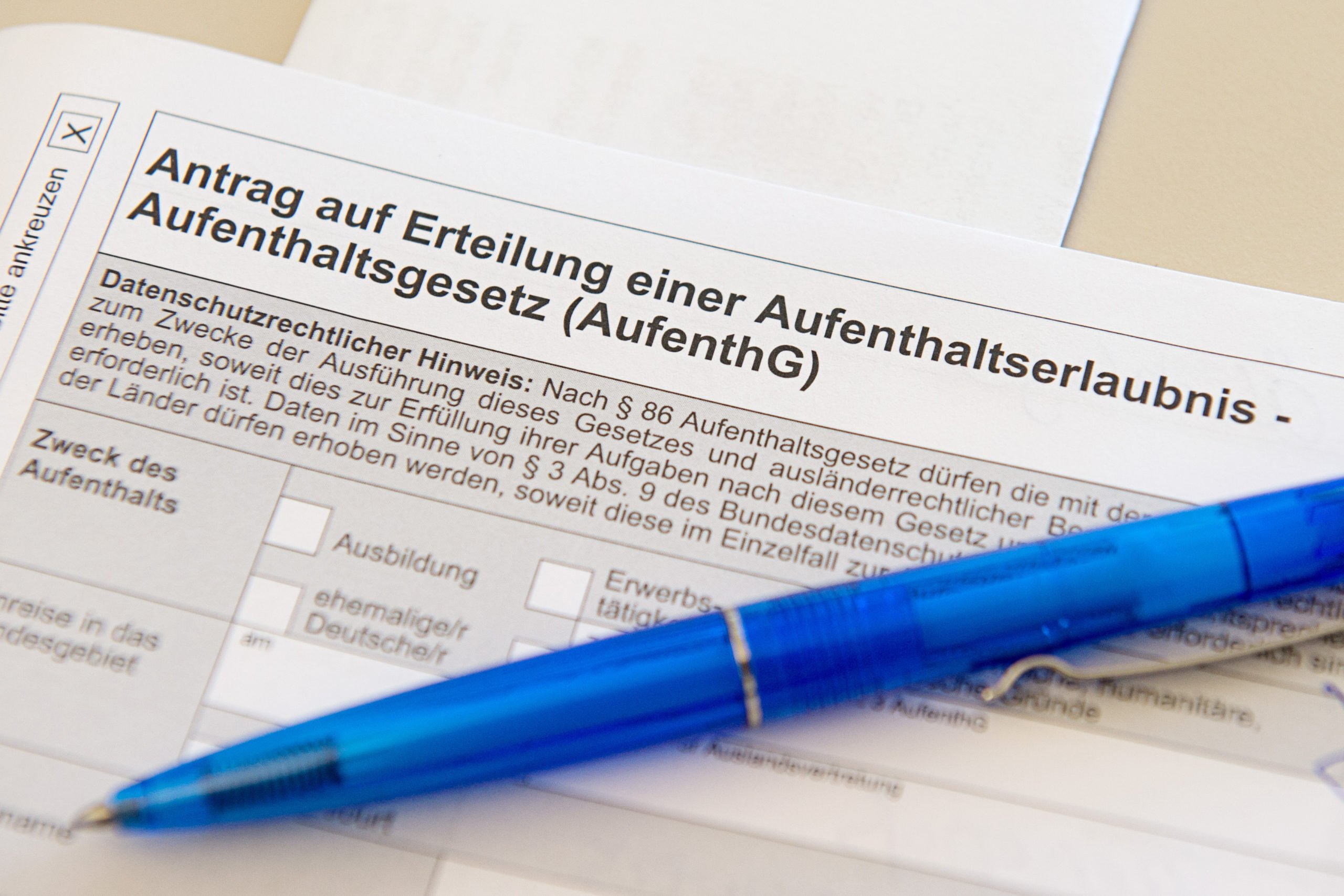
When your residence permit expires, you can either apply to renew the same type of permit or apply for a new type of residence permit, depending on your situation.
Immigration authorities generally advise applicants to apply six to eight weeks ahead of the expiration date on their current residence permit.
The process to renew or change residence permits is virtually the same as the process of applying for a new one, so you'll need to check on the required documents and submit them along with an application form.
Some types of residence permit can be renewed again and again whereas others have limits to how many times you can apply for them.
EXPLAINED: How to apply for a residency permit online in Berlin
You will need to present your passport, which must remain valid for at least three months after the date of the permit’s expiration.
Learn German
Learning German isn't strictly required for all types of residence permits, but having a certain degree of skill in the language is required for some types of work permits (as well as many jobs) and also permanent residence and citizenship.
Current citizenship requirements include speaking B1 level German in almost all cases (with an exception for people with certain disabilities), and the same is true for permanent residency.
Moreover, people around you will expect you to understand and speak at least a minimal amount of German in many aspects of life in the country.
EXPLAINED: How to pick the right German language school for you
Get integrated
Becoming integrated in both the country and your local community is basically a requirement if you hope to have a happy life in Germany.
Aside from being proficient in the local language, this also means respect for German values. These include, for example, a strong work ethic (and putting importance on a healthy work-life balance), financial independence, and appreciation for Germany's cultural traditions.
It also helps to try and be active in your local community, whether through volunteering, joining local clubs or simply making local friends and getting to know your neighbours.
READ ALSO: How to volunteer in Germany - even if you speak no or little German
Comments (2)