

Friday's top story: Merz survives televised Trump meeting
German Chancellor Friedrich Merz came through his Oval Office encounter with Donald Trump relatively unscathed Thursday -- despite differences over Ukraine as the US president said it might be better to let Moscow and Kyiv fight it out like children.
A month into his job, Merz unleashed a charm offensive on the 78-year-old Trump, presenting him with a framed copy of the birth certificate of his grandfather Frederick, who was born in Germany in 1869.
Merz also hailed Trump as being the "key person in the world" when it came to ending the Ukraine war, saying the US leader could "really do that now by putting pressure on Russia."
It was a backhanded way of urging Trump to overcome his aversion to putting sanctions on Russia over its February 2022 invasion of Ukraine, as the more than three-year-old war grinds on.
The polite meeting showed that the conservative German leader had done his homework as he sought to avoid ambushes like those that Trump unleashed on Ukraine's President Volodymyr Zelensky and South Africa's president.

Following an untelevised lunch meeting with the US President, Merz expressed confidence that Trump wants to reach an agreement with the EU.
READ ALSO: Germany's Merz survives Trump test in the Oval Office
Bundestag argues about the rent brake extension
The first debate on the planned extension of the rent brake in the Bundestag resulted in a fierce exchange over well-known arguments.
The Left Party called for more regulation on the rental housing market, while a representative of the anti-immigration AfD proposed more deportations and a more restrictive migration policy.
In addition to strengthening the rent brake, a Green party MP called for stricter provisions for the termination of leases.
Germany's farthest reaching rent control, the Mietpreisbremse, is due to be extended until 2029, but political party leaders have failed to reach a consensus on how rents can be maintained at affordable prices, and the building of new homes can also be incentivised.
EXPLAINED: How Germany's extended rent brake will impact tenants
While those on the left side of the political spectrum tend to defend price protections for tenants at all costs, those on the right point out that housing companies and landlords increasingly see little room for profit to be made from renting homes -- a trend which may be at least partially to blame for the snail's pace at which new apartments have been built in the country in recent years.
Far too few organ donors in Germany, say experts
In 2024, according to the German Organ Transplantation Foundation (DSO), there were a total of 953 donors and 2,855 donated organs - far too few, experts say.
"In Germany, we have many patients who are on a transplant waiting list and, for years, more and more patients who are no longer on a waiting list because the prospect of being transplanted is very low," said Felix Schönrath, senior physician for heart failure and heart transplantation at the DHZC.
At the end of May, 8,081 people were on the list, according to Eurotransplant.
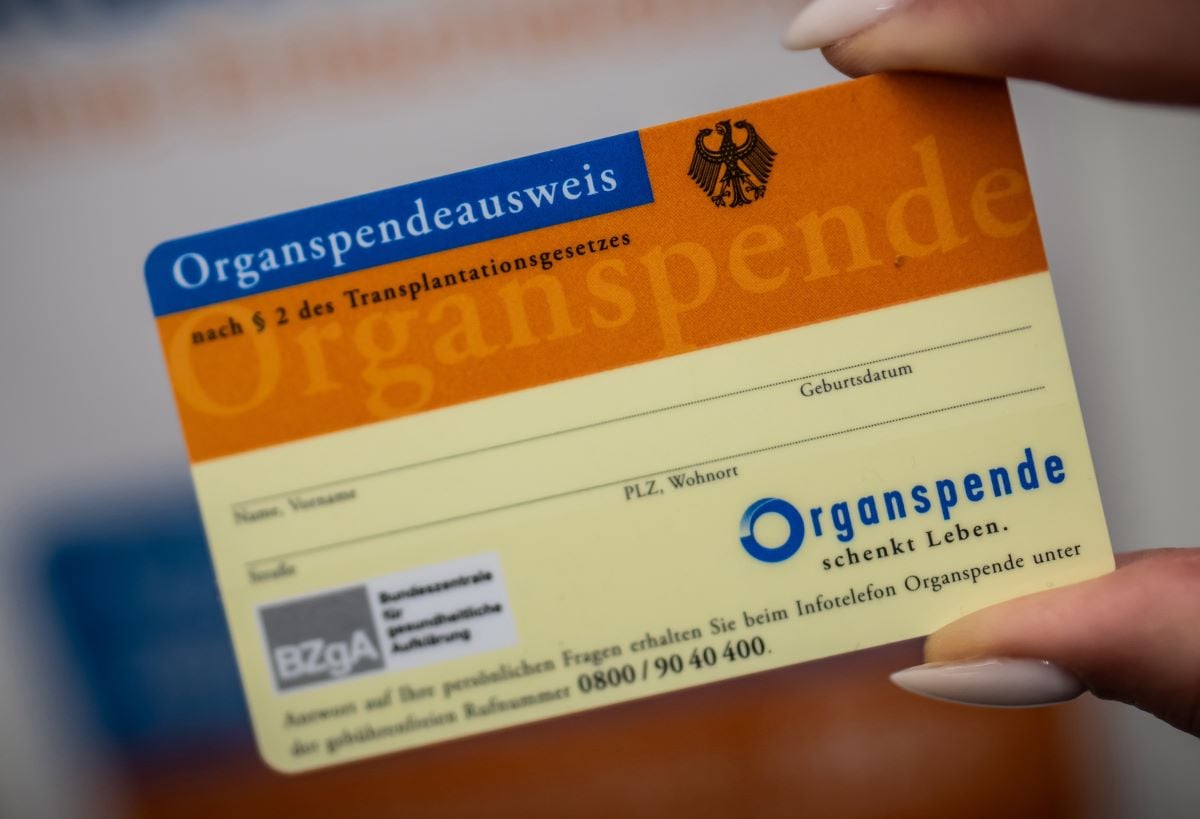
"At the moment, only 0.4 percent of people who are at least 16 years old and eligible for organ donation are registered in the organ donor register," Schönrath explained.
In contrast to many other countries in Europe, deceased persons in Germany must explicitly consent to organ removal during their lifetime or on behalf of their relatives. In other words people must opt-in to being a donor rather than opting-out, as it is in many other countries.
"We want the opt-out regulation because the number of organ donations in countries with an opt-out system is significantly higher...," said Volkmar Falk, heart surgeon and medical director of the DHZC.
READ ALSO: What Germany's new digital organ donation register means for residents
Regional Court of Cologne rules against 'cannabis pharmacist'
The North Rhine Chamber of Pharmacists (AKNR) had brought a legal challenge against a pharmacist selling cannabis online through a distribution platform.
In a recent ruling, the Regional Court of Cologne has prohibited a pharmacist from advertising products on the Cura Medics platform.
The website is one of many where adults in Germany can gain a medical cannabis prescription by filling out a questionnaire, and then order cannabis online to be delivered to their home.
According to a report by the Pharmazeutische Zeitung, the AKNR finds the entire business model in this form unlawful and has issued a warning to a pharmacist whom it considers to be the operator of the platform, which he denies.
The Cologne Regional Court largely agreed with AKNR and issued the preliminary injunction against advertising for telemedical treatment as well as for medical cannabis itself on the website.
While the distribution of cannabis is legal in Germany through approved cannabis clubs, bureaucratic roadblocks have prevented the model from taking off very quickly. Instead, many customers have turned to medical cannabis sellers online, many of which offer online prescriptions that can be obtained with a few clicks.
READ ALSO: Bavaria approves first three cannabis clubs after German legalisation
With reporting by AFP and DPA.
Comments