
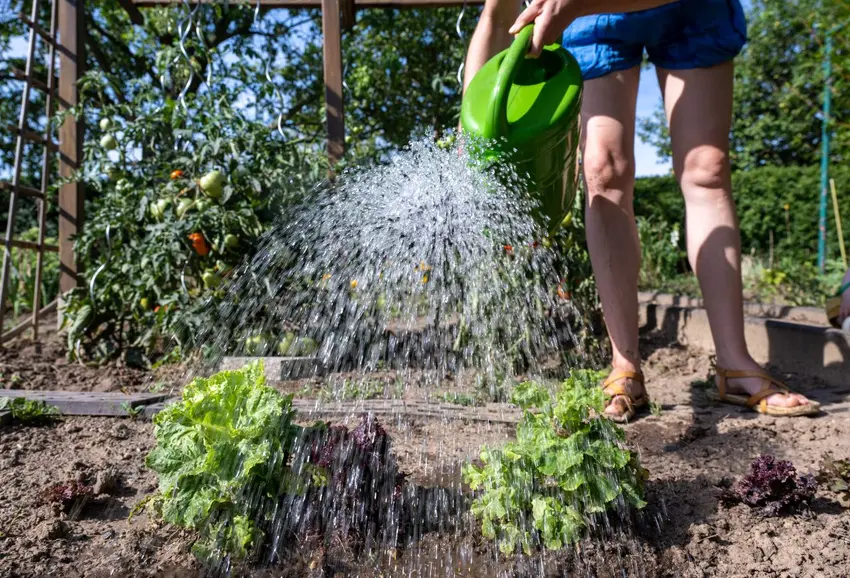
Allotments, known as Kleingärten or Schrebergärten, have been a feature of life in Germany since the mid-nineteenth century. Current estimates suggest there are more than a million individual allotments in the country, generally in cities and built-up areas where it’s harder for residents to get out into the countryside.
Going well beyond a simple vegetable patch, a German Kleingarten tends to be a fairly spacious plot of land, complete with a well-equipped hut containing a kitchen and bathroom, as well as space for trees, picnic tables and even a trampoline or paddling pool.
And people in Germany love them! After all, who wouldn’t want a bolthole away from the hustle and bustle or everyday life – a place to make new friends, grow your own vegetables, or relax with a cold beer on a warm summer’s day?
Though there may be some oddballs who wouldn't, for most people, owning a Kleingarten is a bucket-list item while living in a city in Germany.
READ ALSO: 5 ways living in Germany changes you as a person
Here's how to get your hands on one – and what you can expect when you finally take possession of your very own slice of paradise.
Applying for a Kleingarten
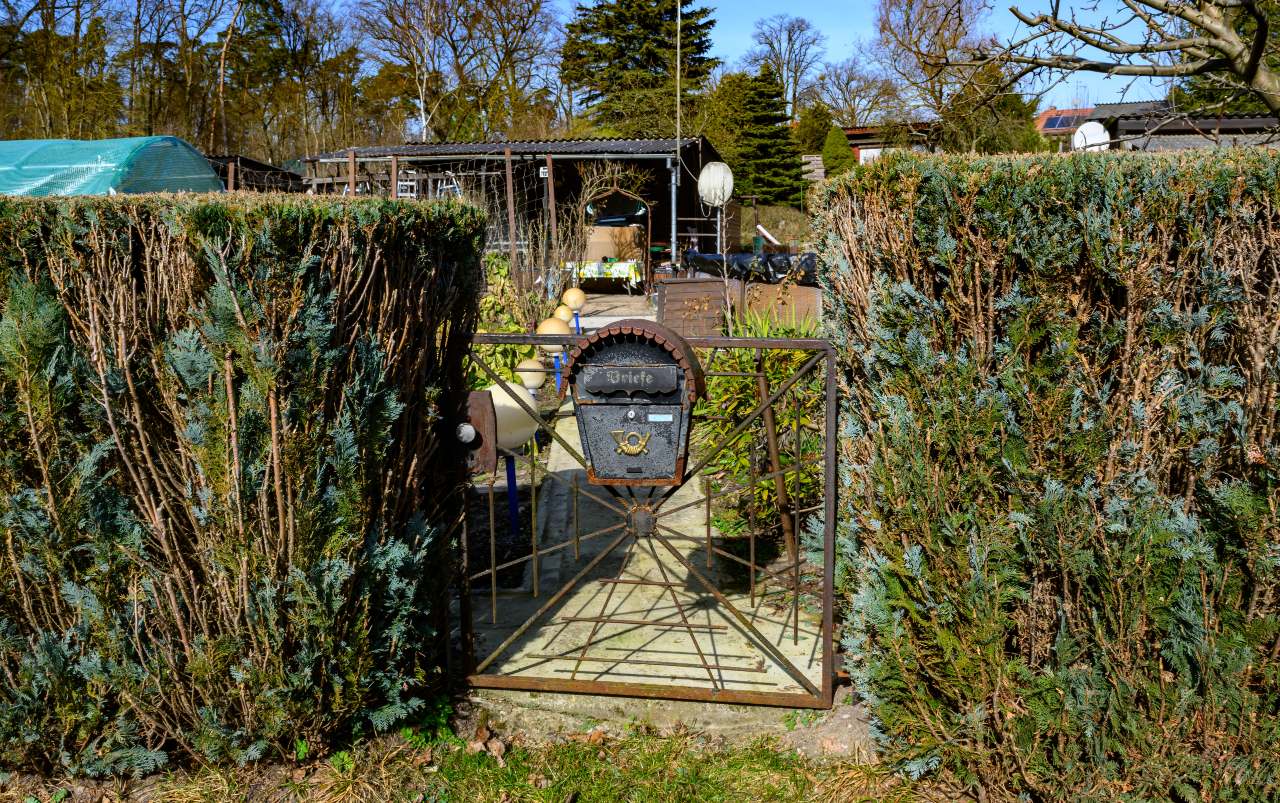
Typically, individual allotments are part of larger “garden colonies” (Gartenkolonien), which are run by an association or society (Kleingartenverein), which manages the plots and waiting lists.
Many of them have websites with contact details and application forms, but it’s usually a good idea to try and reach someone on the telephone first, to get an idea of what’s available and how the application process works.
How long will I have to wait for an allotment?
It all depends on where you are. In big cities like Berlin, Hamburg, or Munich, the waiting lists run into years or even decades, falling to just a couple of months in smaller towns or rural areas.
Occasionally, it can pay to check platforms like eBay Kleinanzeigen for available plots in your area – although this usually means the vendor is looking for a premium above and beyond the association’s official valuation.
READ ALSO: How to get a Kleingarten in Germany
How much will I have to pay?
Allotments are nearly always owned collectively by the association. New tenants will be invited to lease their allotment for an annual fee, but to buy any existing structure on the plot (as well as the plants) for an upfront sum, which can be anywhere between €1,000 and €10,000.
In Berlin, for example, the average price for an existing hut is approximately €4,000, but can stretch into low double digits. Annual running costs generally range between €300 and €700.
What can you expect once you take possession of your allotment?
Peace, quiet – and order? The rising level of demand for allotments gives a good indication of the degree to which they’re cherished in Germany, largely for the green spaces they provide and the sense of community they inspire, as well as for the sheer joy of gardening.
They are rarely in the middle of nowhere, however, and – as with all things German – they are governed by rules. The Bundeskleingartengesetz, or Federal Allotment Garden Act (yes, really) sets out, in extraordinary detail, everything which is and isn’t permitted in your garden.
That includes, for example, how much of your plot should be dedicated to "useful" crops like fruit and vegetables, how large your on-site hut should be, how deep you can dig a new pond and how high your hedges can grow.
READ ALSO: Is it legal to grow cannabis in a German allotment garden?
Many allotment garden associations have fixed rules about keeping animals, so you should find out in advance whether you are allowed to keep chickens or rabbits or if you are allowed to bring your domestic pets to the garden.
Of course, you'll also be subject to Ruhezeit rules while socialising on your Kleingarten, dictating how much noise you're allowed to make and when. As a general rule of thumb, this means no rowdy gatherings after 10pm at night or causing a racket with a chainsaw or sputtering lawnmower at lunchtimes and on Sundays.
In short…
Allotments offer numerous benefits. For city dwellers, in particular, they offer a good-sized garden close to home and the chance to grow your own fruit and veg. At the same time, they function as clubs.
If you’re looking for an opportunity to do some serious gardening and play an active and collegial role in a community of like-minded souls, then an allotment could be just your thing.
But if you’re looking for a place where you can get away from people (and rules), you might want to look a bit further afield.
Comments