
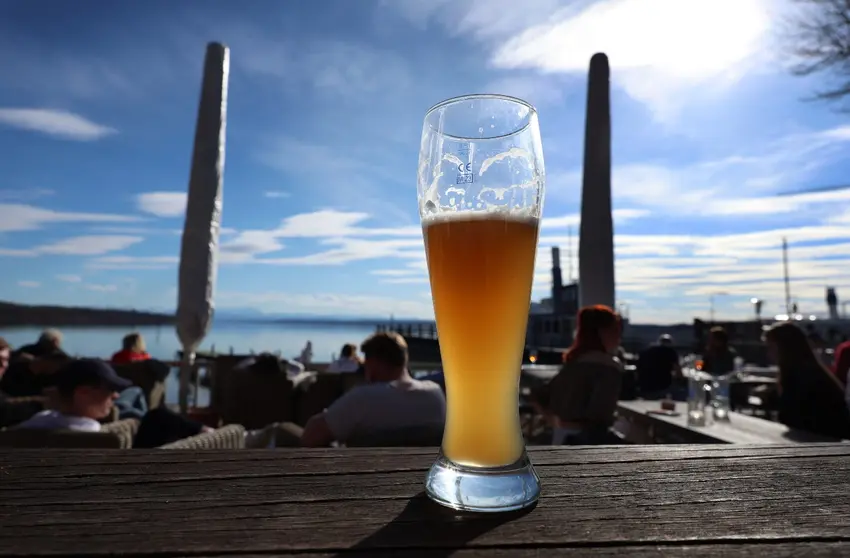
No matter where you live in the country, or what time of year it is, there's rarely a feature of life in Germany that doesn't involve a tipple or two.
Whether you're ordering a litre of Weißbier at a bombastic Bavarian folk festival, sipping a Späti beer at the famous Mauerpark in Berlin, or warming your hands on a steaming Glühwein at a Christmas market, drinking is a deeply ingrained part of German culture - and you either love it or hate it.
When we asked our readers what they thought about Germany's relationship with alcohol, the reviews were unsurprisingly mixed.
While many praised the rich regional traditions and great selection of beers and wines, others found the booze-heavy lifestyle alienating for non-drinkers.
Neverthless, around 70 percent of respondents to our reader survey said they "loved" the drinking culture in the beer-obsessed nation, with 28 percent saying it wasn't for them and two percent sitting on the fence.
Here were some of the key things that stood out to foreigners about the Germany's no-holds-barred drinking culture.
'They drink a lot, all the time'
Summing up German drinking habits in a single sentence, Simon in Berlin said: "They drink a lot, all the time, in large amounts, everywhere."
The sheer prevalence and availability of alcohol - and the seeming lack of rules about where and when to consume it - emerged time and time again as a major culture shock for foreigners.
For Richard in Dortmund, one of the first big surprises was seeing Germans getting on a train with an open beer. Over time, though, he's come to embrace the country's laissez faire attitude and lack of taboos around booze.
"Completely into the German way of drinking," he told us. "Frühschoppen is as German as it gets - people in many countries will occasionally have a drink early in the day, but in Germany they have a word for it! Priceless."
READ ALSO: German word of the day - Der Frühschoppen
While English speakers tend to joke about it being "five o'clock somewhere" as they pour glass of wine in the afternoon, Germans, seemingly, have no concept of it needing to be any time at all.
The most well-known example of this comes from Bavaria, where locals are sometimes known to enjoy a refreshing beer with breakfast. But further north in the nation's capital, our readers were also taken aback by the amount of daytime boozing.
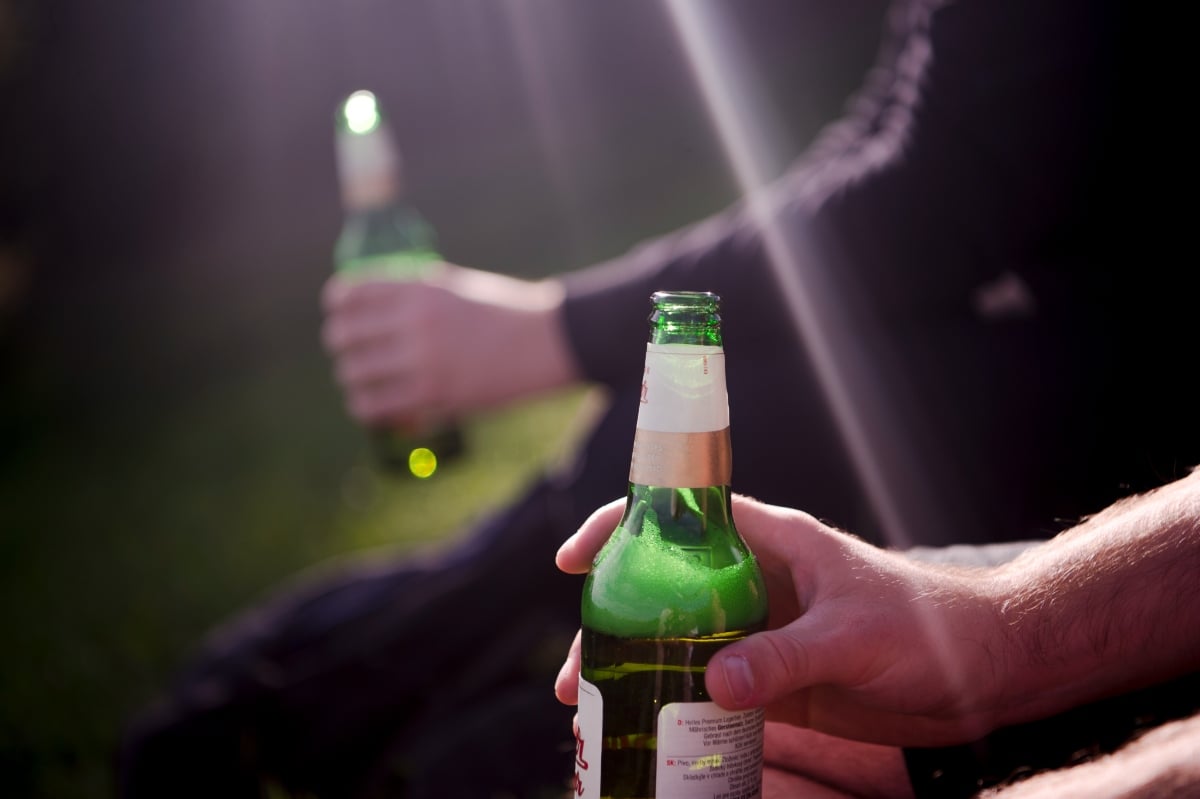
"I'm most surprised by consumption of alcohol at earlier times of day - for example at lunch, even during working hours - is acceptable in some places," said Berlin resident Simon.
For fellow Berliner Abhyuday, the strangest part of German culture was "people drinking in the morning, like starting the day with beers". Oddly, he added, people also take beers on a hike.
READ ALSO: Everything you need know about Germany’s sacred 'Biergarten' culture
Alcohol is everywhere - but binge-drinking isn't
Despite the laid-back attitude towards drinking, many people pointed out that Germans still steer clear of the drunken antics that other nations are known for.
One respondent in Munich observed that Germany has a "relaxed approach to drinking". He added, "People don't get completely drunk despite the wide availability of alcohol, unlike the Brits for example."
Jeff Glasson, who also lives in the Bavarian capital, made a similar point: "Beer is cheap and everywhere, but the biggest surprise is that for the most part people are not binge-drinking."
In a recent study of drinking habits, the German Centre for Addiction Issues (DHS) called for a radical rethink of the low alcohol prices and loose regulations in the country.
Noting that around 20 percent of the population drink at dangerous levels, researchers criticised the fact that the price of alcoholic products has barely risen in more than 20 years.
READ ALSO: Is alcohol far too cheap in Germany?
For many of our readers, however, there wasn't a clear correlation between bargain booze and tendency to overdrink in Germany. Alcohol may have "low prices", said Gerry in Rhineland-Palatinate, but there were also "low levels of drunkenness".
While 75 percent of the respondents said things were fine just as they are, some people did point out certain downsides to Germany's incredibly loose rules around drinking.
One reader in Munich said she'd like to see the drinking age increased in future, and also to witness less drinking in the streets. This would help avoid the "inappropriate drunken behaviour and public urination" that is currently all too common, she said.
German life is difficult for non-drinkers
The same reader also pointed out that the availability of alcohol often meant that other options were hard to come by. While alcohol is everywhere and beer is cheaper than water in many cases, those who want to avoid it have a much harder time.
Making a similar point, Dmitri in Düsseldorf lamented the dearth of evening activities for people who don't feel like getting tipsy in a bar.
"I don't mind bars being open late but it's sad that nothing else is," he said. "I wish I could go for a tea or coffee with my wife after work, but it's a miracle when something is open after 8pm - except for bars and restaurants."
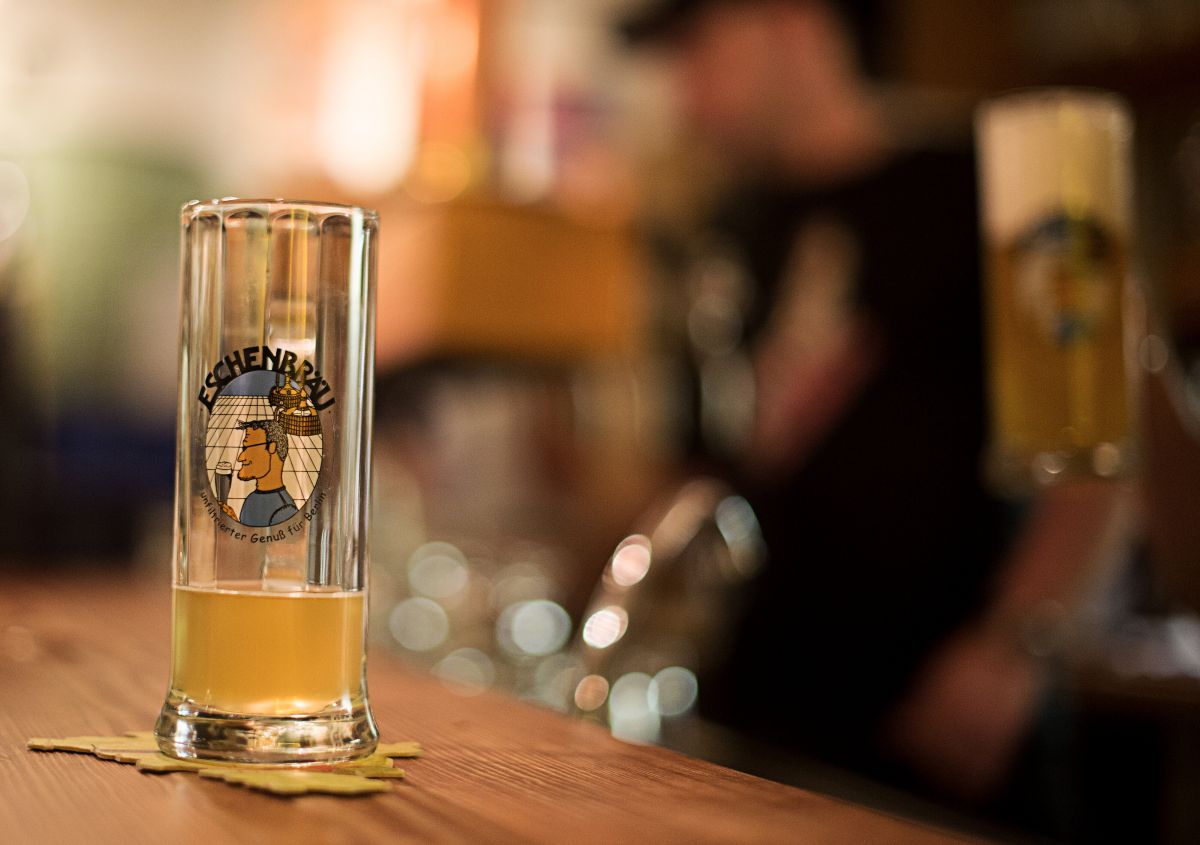
To improve the country's drinking culture, Dmitri said he would like to see tighter rules around advertising, as well as less generous limits for drivers and the promotion of alternative venues that don't serve alcohol, like late-night bakeries and cafes.
He would also like to see less promotion of big-budget drinking festivals like Oktoberfest. "I find small fests cute and interesting," he explained. "But Oktoberfest is a disgrace."
Abhyuday in Berlin also acknowledged that many of the folk festivals in Germany could be alienating to teetotallers.
"I love the cultural festivals, they are fun," he said. "But for people who don't drink it becomes an isolating event and water is the only drink."
Some people also criticised the fact that social events all seem to involve alcohol.
"I like that you can drink in public spaces (responsibly of course) like picnics in parks," said Berlin resident Dalia P. "I don’t like that everything social seems to be planned around drinking alcohol."
Though more non-alcoholic options are becoming available, bars in the capital can be unwelcoming places to be because of the lax rules around smoking, Dalia told us.
READ ALSO: 10 ways to talk about being drunk in German
"I drink less because bar culture isn’t really there and smoking is allowed inside too many bars," she said. "Even outdoor seating allows for smokers and it’s unpleasant."
Regional traditions
When it came to the downsides of public drinking, Rick in Frankfurt am Main said he hated seeing overflowing trash cans and endless broken bottles on the street - a point echoed by several other readers.
Nevertheless, the majority felt there was no need to tighten up drinking laws.
This was summed up by Simon in Berlin, who said he wasn’t sure that changing rules and regulations would have an impact on the way people drink in Germany.
“It’s not about rules, it’s about culture,” he said.
In many cases, this culture can also add a bit of regional flavour and sparkle to life, loosening the social inhibitions that Germans are famous for and bringing people closer together.
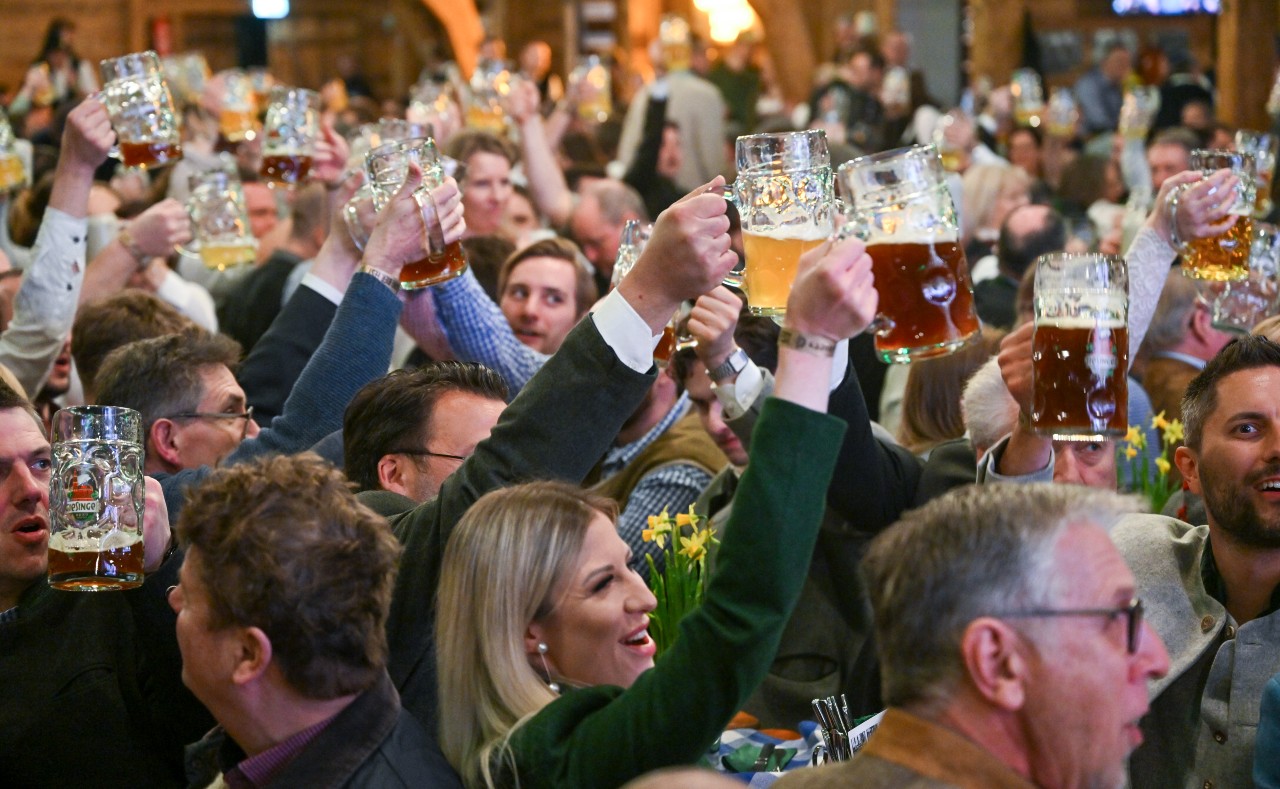
This was the view of Angeeka in Frankfurt, who said she loved the regional wine festivals in Germany. "Some festivals have become very crowded but overall it is a good day to have with friends," she said.
The Hesse resident also praised the afterwork drinks culture with colleagues, though she said that drinking could be more tightly controlled around sports games.
READ ALSO: 365 German beers - What I learned from drinking a different variety each day
No matter where people lived in Germany, there was some aspect of regional culture based around rituals of drinking. For Flo in Munich, it was the "world's best beers and beer gardens", where families can bring their own food for an affordable afternoon out.
For Simon in Berlin, meanwhile, it was the social life at his local Späti: a local "late shop" with outside picnic tables where residents of the capital can while away the hours, sipping €2 beers - regardless of the time of day.
Comments