
Germany’s industrial production jumped more than expected in March, while exports also rose, providing a rare boost for Europe’s largest economy — even as looming US tariffs raise fresh concerns.
Factory output increased by 3.0 percent compared to the previous month, according to preliminary data released on Thursday by federal statistics agency Destatis. This follows a sharp decline in February and exceeds analysts’ forecasts of a 0.75 percent rise.
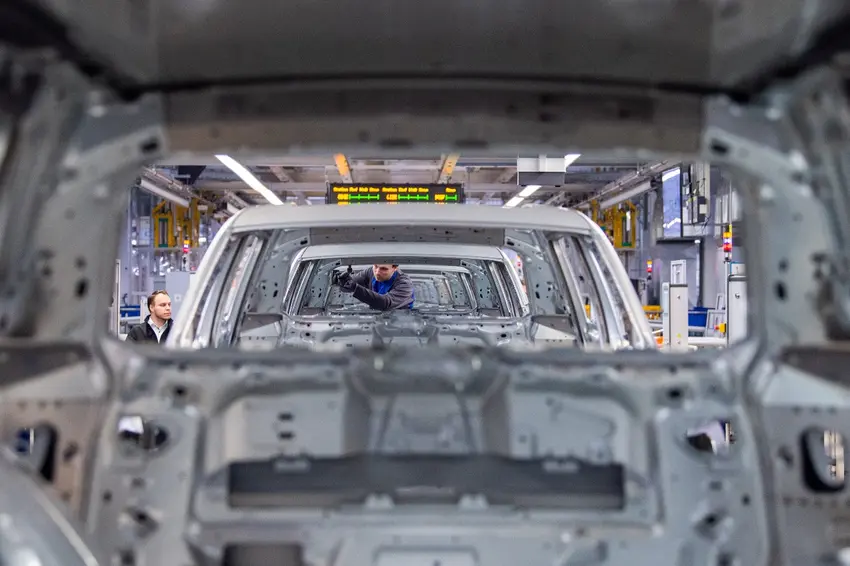
The growth was driven by key sectors including automotive and pharmaceuticals.
Exports climbed 1.1 percent month-on-month, largely fuelled by higher shipments to the United States ahead of new tariffs introduced in April. That figure was in line with expectations.
Tariff fears and economic uncertainty remain
Franziska Palmas, senior Europe economist at Capital Economics, said the rise in industrial output pointed to stabilisation in Germany’s manufacturing sector in recent months.
However, she warned that the March boost was likely due to companies rushing to stockpile goods before the US imposed so-called “Liberation Day” tariffs.
“And with the hit from US tariffs likely to be felt before long, and any support from the new government still some months away, we think a further improvement is unlikely,” Palmas said.
Germany’s economy has contracted for the past two years due to sluggish manufacturing, weak global demand and elevated energy costs. Economists fear that trade tensions with the United States could tip the country into a third year of recession.
Surplus grows despite import drop
Exports totalled €133.2 billion ($150.5 billion) in March, Destatis said, while imports dropped by 1.4 percent to €112.1 billion. That left Germany with a trade surplus of €21.1 billion for the month.
Comments