
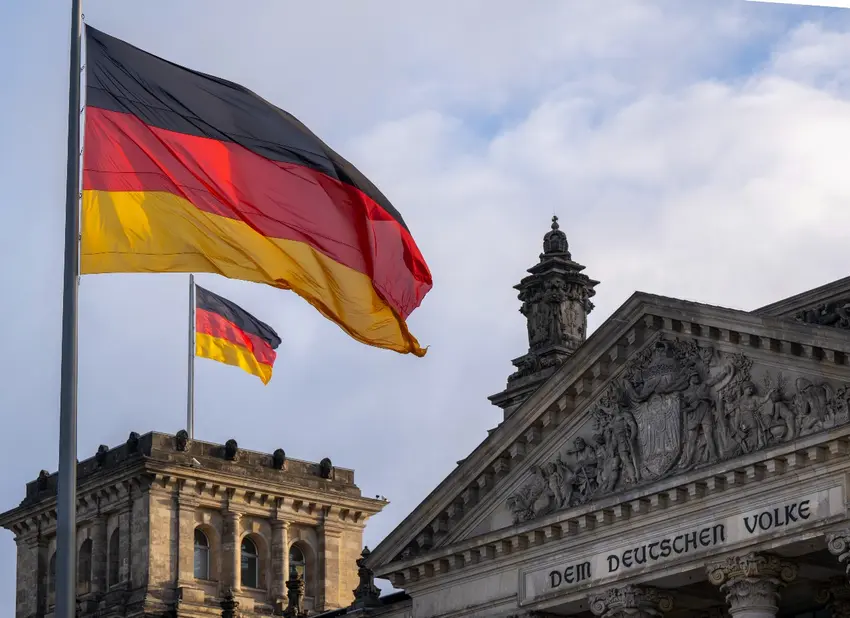
So far, every part of Germany's change of government has been carried out at record pace.
Following the sudden collapse of the traffic-light coalition last autumn, the country lurched into a rapid-fire election campaign, with voters at the polls on February 23rd.
Around a fortnight afterwards, formal coalition talks between the CDU/CSU and SPD began. Within three weeks, they had passed major legislation to secure €500 billion in new infrastructure investment and a reform of the debt brake to boost defence spending.
Then, on April 9th - less than six weeks after elections - the parties announced that they had drafted a coalition agreement for the next four years. But it could still take weeks for Germany to get its new government.
So, what are the next steps for the parties before they can finally take office? And when will Germany have a brand new chancellor? This is what to expect in the coming weeks:
April 14th - May 3rd: Ministers are announced
There's been plenty of speculation about who's set to take various ministerial posts in the new government - but so far, nothing concrete has been announced.
One thing is clear: CDU leader Friedrich Merz is set to replace the SPD's Olaf Scholz as Chancellor.
Also SPD Lars Klingbeil has been tipped for the powerful Finance Ministry, while Boris Pistorius is likely to stay in his post as Defence Minister. Alexander Dobrindt of the CSU could take over the Interior Minister, putting the migrant-sceptic politician in charge of immigration policy.
READ ALSO: Who will the key ministers be in Germany's next government?
CDU politicians Carsten Linnemann and Johann Wadephul, meanwhile, are likely candidates for the Economics and Foreign Ministry respectively.
Over the coming weeks, we're likely to learn more about the CDU and CSU's picks for cabinet. However, the SPD has said they won't announce any ministers until after the members' vote, which is due to be held at the end of the month.
April 28th - 30th: CDU and SPD vote on coalition agreement
On Thursday, the CSU - the Bavarian sister wing of the Merz's CDU - became the first of the three parties to sign off on the coalition agreement. The unanimous vote was concluded in a call between the party executive and members of the CSU's federal and state parliaments, the party announced.
That means only the CDU and SPD must still sign off on the agreement. The conservatives plan to do this at a small conference on April 28th, while the SPD will conduct a ballot of its 358,000 members in the coming weeks.
The poll will begin next Tuesday and run for two weeks, ending on April 29th. The results will be announced on the 30th.
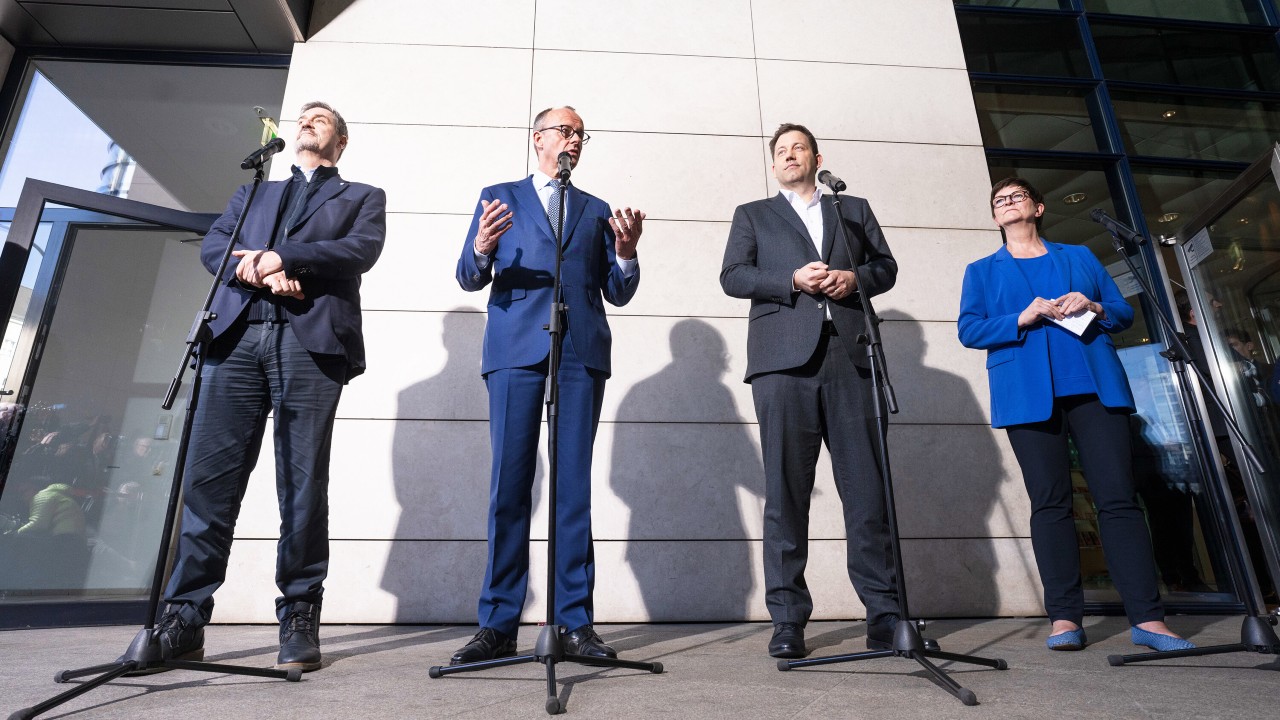
May 1st - 3rd: Coalition pact is formally signed
Assuming all three parties give the coalition pact the green light, the agreement will need to be formerly signed before the government can enter office.
Since the SPD won't reveal the result of its member ballot until April 30th, the pact can't be signed until after this date. That said, we can expect it to happen quickly as soon as the results are known.
READ ALSO: How Germany's new coalition will affect your bank balance
May 5th - 9th: Chancellor and ministers are elected to posts
On Wednesday, Merz told members of the press that he wants to be sworn in as Chancellor the week after the SPD member's vote. That would mean Germany would get a new government in the week beginning May 5th.
The Chancellor must be voted in by members of the Bundestag, which - apart from a session on May 8th to commemorate the end of the war 80 years ago - will not meet again regularly until the following week.
That means the new government will likely schedule a special session. Reuters has reported that this is likely to happen on May 7th, with Merz formally appointing his ministers the same day.
The next day, on May 8th, Merz could appear and speak on the big stage as Chancellor for the first time.
If the timeline holds, Germany's new government will enter office just over six months to the day since Scholz's traffic-light coalition collapsed on November 6th. This would conclude the whirlwind of political upheaval and put Germany back in the hands of a black-red coalition: a trusted formation of parties the country has seen four times before.
Comments