
Anyone who’s spent some time in Berlin, has probably heard it said that it’s home to some of the best clubs in the world. The idea has become a popular refrain among Berlin residents and visitors alike that come to dip their toes, or dive headfirst, into the city’s infamous club scene.
But a “Top 100 Clubs” ranking by DJ Mag, an electronic music industry magazine refutes that claim.
According to its list for 2025, only two clubs in Germany rank among the world’s top 100 and the highest ranked club is not actually in Berlin.
What are Germany’s top clubs?
Germany’s top rated club, and the only one to land in the top 10 this year was Bootshaus in Cologne.
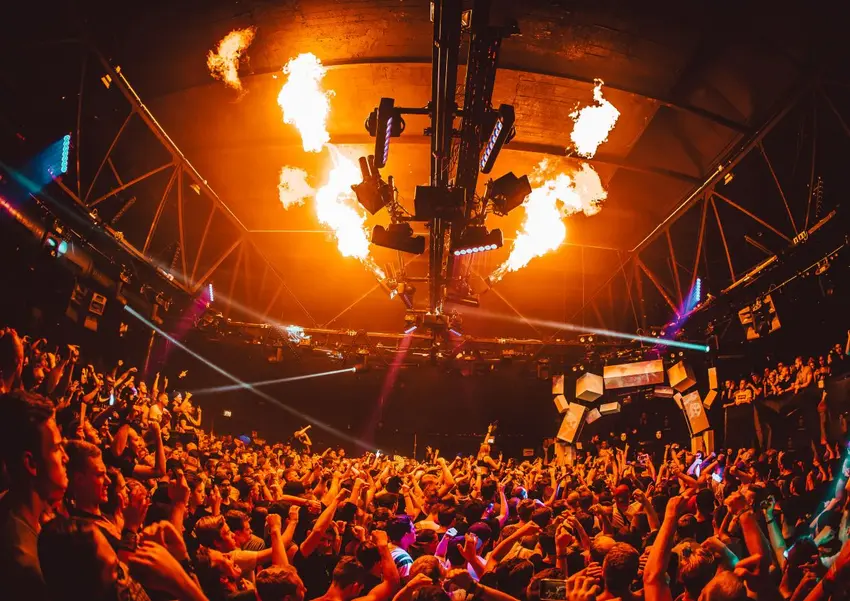
Bootshaus (meaning boathouse) is set up in a shipyard warehouse in Mülheim harbour in Germany’s fourth most populous city. Dj Mag writes that “Bootshaus has been instrumental in the spread of EDM and moshpit-inciting dubstep across Germany and into Europe.”
The club is known to have grown from humble origins, but today it has capacity for around 2,000 people and contains three distinct dancefloors. It hosts lineups with a mix of top international djs as well as local and emerging artists.
Bootshaus has steadily climbed the top clubs ranking for a little over a decade – it was ranked 48th in 2013 and entered the top ten in 2019. At 7th this year, it has slipped two spots since last year.
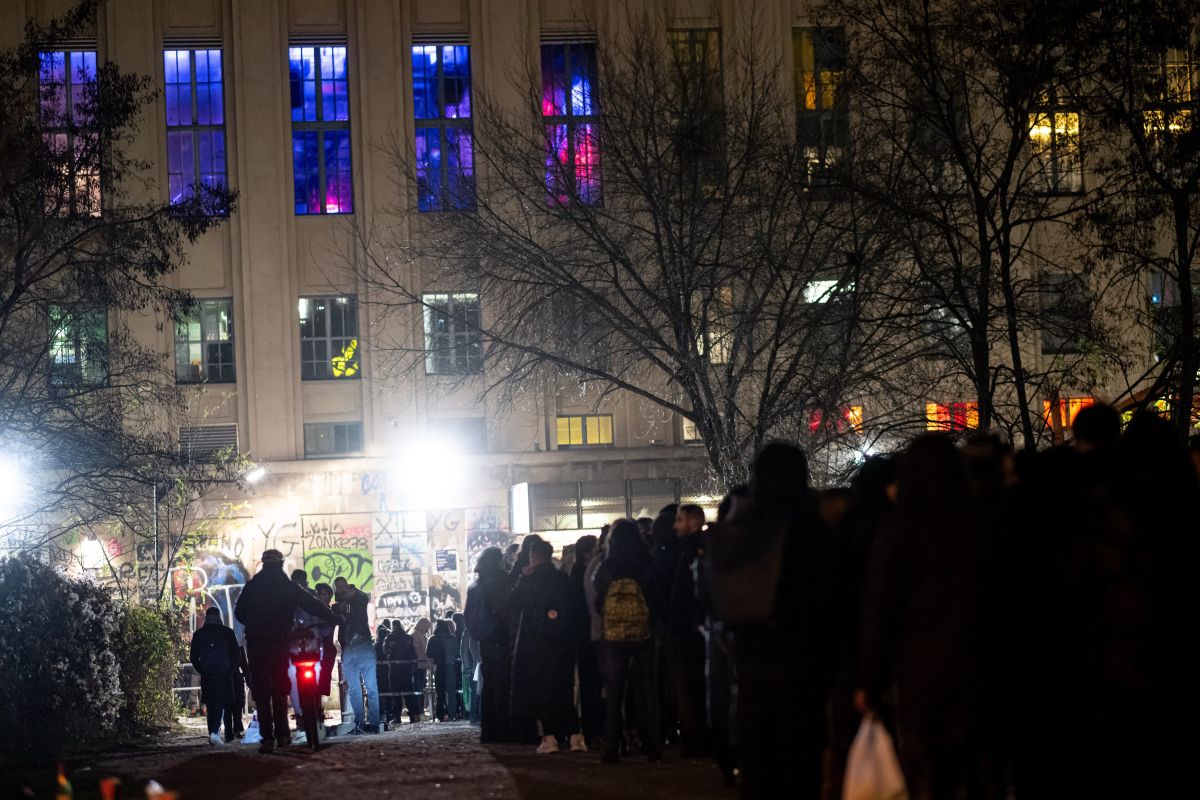
The only other German club to make the cut was Berlin’s infamous Berghain.
Located in a former power plant near to the confluence of the Kreuzberg and Friedrichshain neighbourhoods, it’s among the best-known of Berlin’s clubs and a significant contributor to the German capital’s long-held reputation as having world-class techno scene.
In fact, Berghain did take the number one spot on the DJ Mag ranking back in 2009 – and while its position has fluctuated quite a bit since then it’s maintained its place in the world’s top 20.
It’s perhaps best known for its strict and somewhat mysterious door policy. The club's bouncers are notorious for dismissing potential guests who’ve queued up for hours with a simple “Heute leider nicht.” (Legend has it Elon Musk was rejected once.)
READ ALSO: 'Not a club you want to visit' - How Berliners are reacting to Tesla's new nightclub
For many Berghain also represents what has become seen as the classic Berlin techno aesthetic: Think all black dress, hardcore techno, dark industrial settings, not a phone in sight and ample amounts of drugs and sex.
Is Germany losing its crown as a ‘techno-Mecca’?
In recent years Germany's nightlife and party scene appears to be experiencing a decline.
DJ Mag commented that the fact Germany is only represented by two clubs this year is "a historic low and a clear signal that the center of the global club scene is increasingly shifting.”
Two Berlin institutions have dropped from the ranking this year – Watergate, which was ranked 34th in 2024, and Tresor, previously at 77th.
Berlin’s clubs have been confronted with rising costs and falling visitor numbers since the Covid pandemic. Their funding issues have been made worse by cuts for cultural funding.
Watergate was among the recent casualties, having closed its doors for good at the start of this year after more than two decades of hosting parties on the edge of the River Spree.
A number of Berlin’s iconic clubs are also threatened by the city’s A100 expansion plans. Making room for the new highway will see the locations of the clubs About Blank, Club Ost, Renate, Else, Oxi and others paved over.
However, DJ Mag notes that it’s not only Germany but Europe overall that seems to be losing its dominance in the world’s club scene. This year marks the first time that fewer than 40 European clubs made the ranking, whereas clubs in Asia are claiming more spots.
How serious is the world’s top clubs ranking?
DJ Mag says the top 100 clubs ranking is determined entirely by votes from its audience, and added that this year saw a record number of votes from people in 226 territories around the world.
The world’s number one club was Hï Ibiza, located on the Spanish island, which earned the title for the fourth year in a row.
The next highest rated clubs were located in Brazil, the UK, the US and Bali. But regardless of the magazine's ranking, Berliners will surely maintain their preference for the city's cultural icons as well as its little-known gems.
How did Germany first become a hub for techno clubs?
Electronic music in Germany goes back to the 1960s and ‘70s when technicians and musicians began experimenting with new techniques for generating sounds on synthesizers. The most successful artist around this time being Kraftwerk, from Düsseldorf, which rose to worldwide recognition.
In the ‘80s, electronic music grew increasingly popular and then in the ‘90s, following the reunification of Germany, a new underground electronic scene boomed.
Especially in Berlin, the mixing of former East and West Germans inspired a sort of cultural renaissance, and the city’s many abandoned buildings, bunkers and subway stations served as the setting for the birth of a new alternative scene.

Some underground parties evolved into regular events and eventually established their own brick and mortar spaces, becoming the city’s first techno clubs.
As electronic music gained popularity around the world, events like Berlin’s Love Parade helped push techno and club culture toward the mainstream.
As of 2024, Berlin’s techno culture was added to the UNESCO list of intangible cultural heritage for Germany.
READ ALSO: Berlin's techno scene added to UNESCO World Heritage list
**An article on the DJ Mag Germany falsely suggested that Tresor was threatened by imminent closure, a line that was reprinted by DPA and other German media. A spokesperson for Tresor confirmed to The Local that it was misinformation.
Comments (1)