
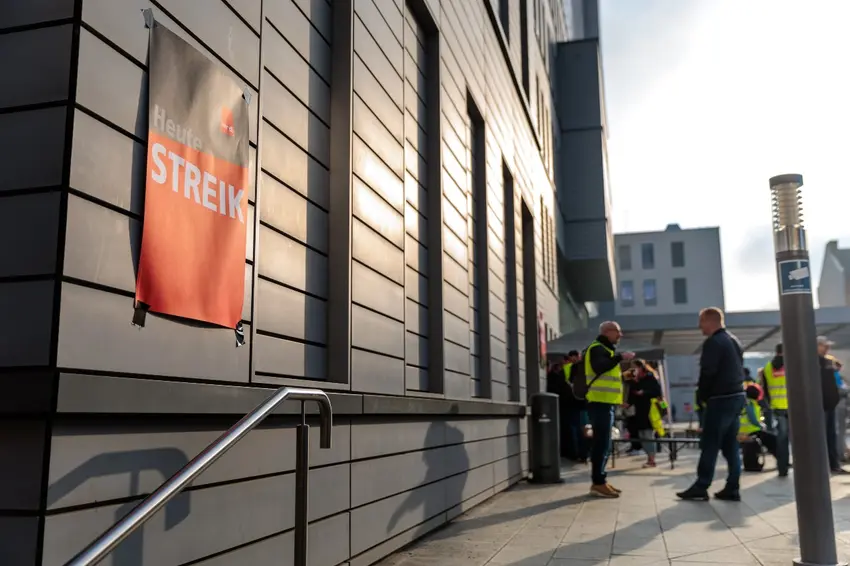
Far-right AfD pulls level with CDU in polls
As the centre-right CDU and CSU prepare for the final stage of coalition talks, polls published over the weekend showed the far-right Alternative for Germany (AfD) pulling level with the conservative block.
Polling from the INSA institute done for Bild newspaper found that the center-right CDU/CSU conservative coalition scored 24 percent support - the same number as the AfD.
This represents a 2 percent dip for the CDU/CSU some six weeks after the federal election, while the AfD grew by one percent. The ousted centre-left Social Democrats (SPD), who are currently in talks with the CDU/CSU, received 16 percent.
Amid the AfD's rise in support, CDU politicians have been clamouring for a tougher course in the ongoing coalition talks - particularly on topics such as migration and the economy.
"The CDU must not sign a coalition agreement without a change in policy," the head of the CDU's Junge Union youth wing, Johannes Winkel, told the Süddeutsche Zeitung. "The times when the motto was 'we get the chancellorship and the Social Democrats get the content' are truly over."
READ ALSO: What to expect when Germany's coalition talks conclude
Though the parties have not set a firm deadline, it seems likely that negotiations could conclude at the end of this week.
Agreement reached in public sector pay negotiations
Following negotiations in Potsdam over the weekend, a new wage deal has been signed for 2.5 million public sector employees in Germany.
The agreement, which was based on recommendations from an arbitration committee, will see workers receive an extra 5.8 percent pay over 27 months.
From April 1st, wages will rise by three percent or at least €110 more per month, with a further 2.8 percent rise scheduled for May next year. Bonuses for shift work will also go up.
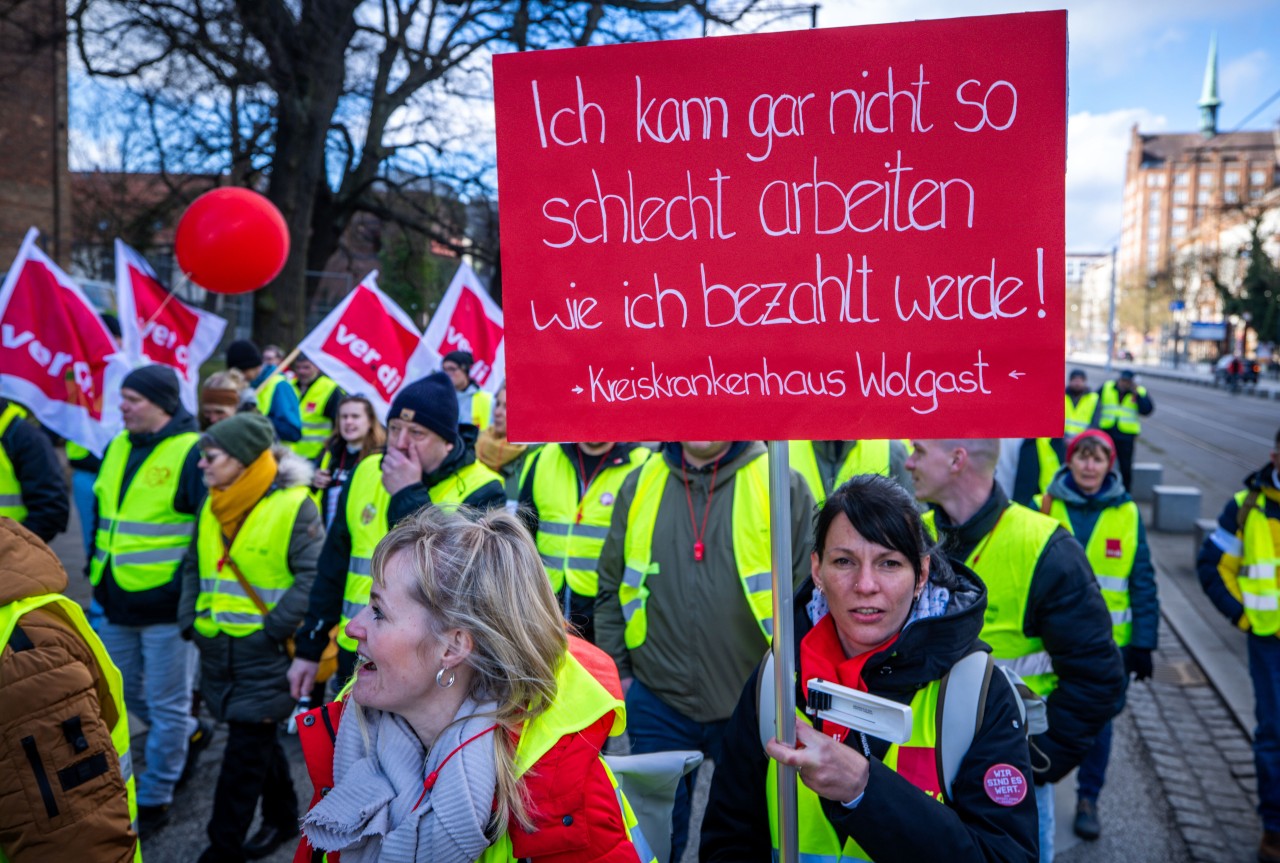
In addition, the 13th month's 'bonus' salary is to increase from 2026, though this can be exchanged for up to three days' additional holiday. Workers will receive an extra day of holiday as standard from 2027.
Speaking on behalf of employers, Interior Minister Nancy Faeser (SPD) said the government had "gone to the limit of what we can be responsible for in a difficult budgetary situation."
Meanwhile, Frank Werneke, head of services union Verdi, described the deal as "a difficult result in difficult times".
The agreement concludes weeks of tough negotiations between local and federal government employers, services union Verdi and public sector union DBB.
It will put an end to a wave of strikes on public transport and in clinics, waste disposal, leisure centres and nursery schools, until at least March 2027.
However, an ongoing wage dispute between Verdi and Berlin transport operator BVG has yet to reach a conclusion.
READ ALSO: What happens next after Berlin's two-day public transport strike?
Germany's Müller to leave Bayern Munich after 25 years
Bayern Munich legend Thomas Müller confirmed this week that the club will not offer him a new contract, bringing an end to his 25-year career with the Bundesliga giants at the end of the campaign.
The 35-year-old, whose contract was set to expire in the summer, said in a post on social media the decision was made by the club and "not what I would have wished".
Müller said he did not like how the contract saga played out "back and forth in public" in recent months but he "felt the appreciation from everyone involved after my long time with Bayern".
"The special connection to the club and our fantastic fans will always remain," he said.

Müller came through the Bayern junior system and has won two Champions Leagues along with 12 Bundesliga titles.
His focus was now on "bringing the league title back to Munich" as well as reaching this season's Champions League final, which will be held in Bayern's Allianz Arena home.
Bayern issued a statement saying Mueller would be honoured with a testimonial match and that the midfielder would play at the Club World Cup in July.
Bayer appeals to US Supreme Court over weed-killer cancer claims
German chemicals giant Bayer said over the weekend that it had again asked the US Supreme Court to intervene in the dispute about its weedkiller Roundup, as it tries to draw a line under years of costly legal troubles.
It is the third time Bayer has appealed to the United States' top court to hear its case, and the first since Bill Anderson joined the group as CEO in 2023.
Bayer hopes for more success this time since federal appellate courts have issued contradictory rulings, which it says should increase the chances of a Supreme Court review.
The firm has been dogged by lawsuits linked to Roundup since it acquired its producer, the US agrochemical group Monsanto, in 2018.
Claimants have alleged that Roundup causes blood cancers but Bayer says scientific studies and regulatory approvals show that the weedkiller is safe.
In 2022, the Supreme Court rejected two previous attempts by Bayer to review rulings by Californian courts that went against the company.
The latest bid came days after the supreme court of the US state of Missouri refused to review a ruling against Bayer, opening the way to an appeal at the federal level, the group said.
With reporting by DPA and AFP
Comments