

'Grand coalition' working groups to present outcome of negotiations
A set of 16 working groups tasked with thrashing out a coalition deal will present their results to the leaders of the CDU/CSU and SPD parties on Monday.
The deadline - which is set for 5pm - will mark the end of the first phase of coalition negotiations, which began on Thursday, March 13th. It will be followed by a three-day ‘drafting phase’ during which the results of the working groups will be reviewed and financial checks will be carried out.
The parties have already set out a number of plans, including a major finance package, in an exploratory paper published ahead of negotiations. However, a number of sticking points between the centre-right and centre-left parties are believed to remain, particularly on the subject of tax and social expenditure.
Over the weekend, the parties were criticised by leaders of the Greens and the Left Party for their plans to significantly toughen migration and asylum law.
Many of the measures agreed upon during the coalition negotiations between the CDU/CSU and SPD are "doomed to failure," Green Party leader Felix Banaszak told the Funke Media Group newspapers.
READ ALSO: Ten open questions at the start of Germany's coalition negotiations
"Instead of bringing real improvements or relief, they will primarily create new problems," Banaszak said.
During the election campaign, CDU/CSU chancellor candidate Friedrich Merz promised a change in migration policy to reduce immigration to Germany. Among other things, he announced that asylum seekers would be comprehensively turned away at the borders.
Merz has repeatedly set his sights on Easter as a deadline for concluding coalition negoatiations, citing the tense international situation and the need for German leadership.
Relatives remember victims of 2015 Germanwings crash
Relatives of the victims who died ten years ago after a Germanwings plane crashed into a mountain range in the French Alps are to attend a memorial service on Monday in Le Vernet, near the crash site.
All 150 people on board the plane were killed. The victims included 72 Germans, including 16 schoolchildren and two teachers from Haltern am See in North Rhine-Westphalia.
Investigators believe that the co-pilot, Andreas Lubitz, who suffered from mental health issues, intentionally steered the plane into the mountains.
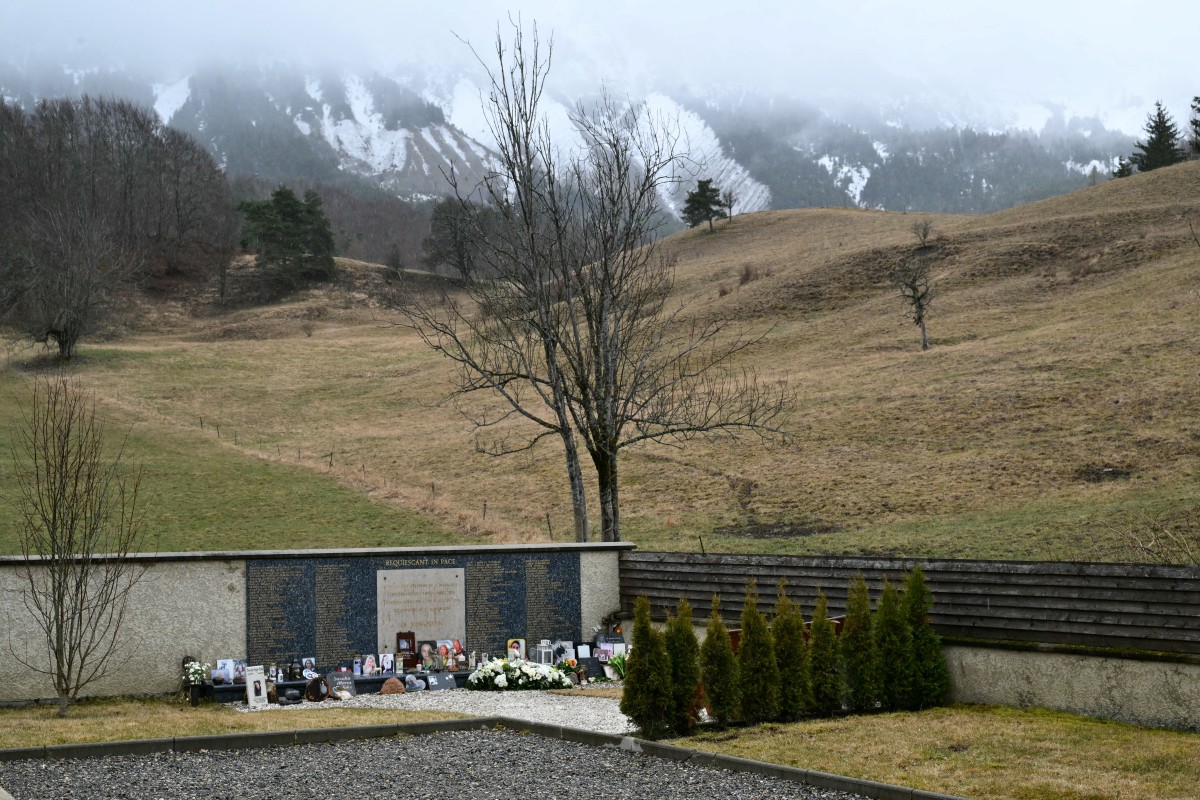
About 400 people are expected to attend Monday's memorial service, including the German Vice Consul and a representative of Germanwings' parent company Lufthansa.
There will be an official service at the cemetery in Le Vernet where the unidentified remains of the bodies are buried in a communal grave, followed by a closed-door memorial service for the relatives. There will also be a service in Haltern am See.
A minute's silence will be held at 10.41 am, the time of the crash on March 24th, 2015.
Neo-Nazi march in Berlin broken up after protests
A right-wing extremist demonstration in Berlin's Friedrichshain was ended early, after around four hours, on Saturday as numerous counter-protests blocked their passage.
The leader of the rally ended the demonstration early, the police said on X. There were around 1,600 officers on duty to keep the two camps apart.
Around 850 people took part in the neo-Nazi march, significantly more than at recent demonstrations, police said.
But counter-protesters were even more numerous, with police reporting between 2,000 and 5,000 demonstrators and 15 counter-protests along the planned route of the march in Friedrichshain.
There were heightened tensions between the two camps and over 80 people, primarily right-wing protesters, were arrested, the police said.
The Berlin demonstration was part of a wider wave of demonstrations led by neo-Nazis and the conspiracy theorist 'Querdenker' movement on Sunday. As well as protests in the capital, rallies were also held in Dresden, Stuttgart, Frankfurt, Nuremberg and Munich.
Economic institute warns financial package will lead to rising inflation
The German Economic Institute (IW) has warned of rising inflation due to the debt-financed finance package of the CDU/CSU and SPD.
Without countermeasures, there is a risk "that the additional debt will create inflationary pressure, subsequently leading to rising interest rates and causing the hoped-for growth impulses to fizzle out," an analysis published on Saturday showed.
This would particularly apply "if there is insufficient capacity in the private sector" to process the rising demand.
The IW said it was therefore crucial that politicians translate the debt into economic growth, noting that further investment incentives and reforms would be needed to achieve this.
If the newly created financing options for defence, infrastructure, and climate protection were fully used, the IW calculated that the debt level could increase by around €2.2 trillion over the next 12 years, pushing Germany's total debt to an estimated 85 percent of economic output in 2037.
READ ALSO: What's in Germany's giant spending package?
German trade union confederation supports bonuses for electric cars
Germany trade union confederation (DGB) president Yasmin Fahimi supports the idea of government bonuses for electric cars.
"Consumers and commercial users receive the planning security they urgently need through tax incentives," she told the Tagesspiegel.
Supporting electric car sales would not only secure "the future of the German automotive industry" but also promote sustainable mobility.
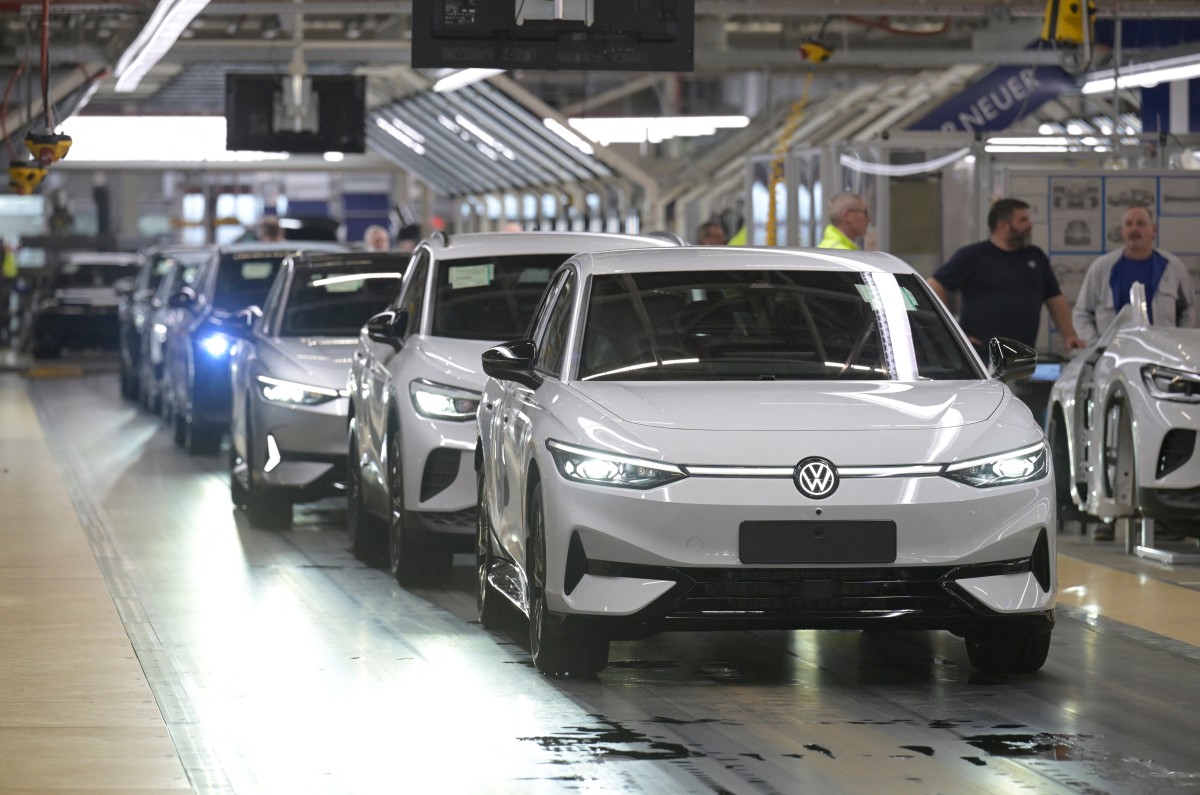
SPD General Secretary Matthias Miersch had also previously advocated for a discount for electric cars. "I am definitely in favour of a purchase incentive – especially for people who can't simply buy a new car," he told Bild am Sonntag.
READ ALSO: How Tesla is battling against German workers' sick pay claims
He said there could also be support for leasing cars, but that the CDU/CSU and SPD would have to decide on this in the coalition talks.
The federal government's e-car purchase premium, known as the environmental bonus, was discontinued prematurely at the end of 2023 in the wake of the budget crisis, leading to plummeting e-car sales.
With additional reporting from AFP and DPA
Comments