
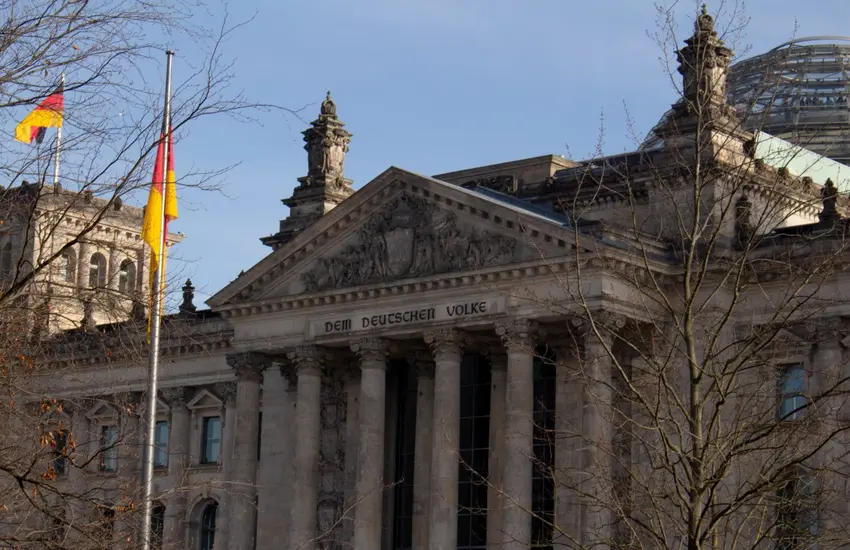
Coalitions can take a notoriously long time to form in Germany. After the furious campaigning in the run-up to elections, parties must then set their fighting aside to sit around the negotiation table and reach deals with their opponents.
This can be far more complicated than expected.
Back in 2017, after Angela Merkel's CDU/CSU won the federal elections on 33 percent of the vote, it took around six months for a new government to emerge. That's because the centre-right parties had initially sought talks with the Greens and Free Democrats (FDP), but were forced to turn to the Social Democrats (SPD) after those talks broke down.
This time around, the options are far more limited: the CDU and CSU achieved just 29 percent of the vote in the election, and have refused to work with the far-right AfD. That means their leading option is to once again form a so-called Grand Coalition with the SPD, and the parties are currently hard at work trying to cobble together an agreement at record pace.
There are still many roadblocks to clear before Germany can usher in its new government - and next Chancellor, Friedrich Merz - but here are some of the key dates to look out for in the coming weeks.
March 12th: State premiers meet to discuss regional issues and debt reform
Wednesday marks the date of the Conference of State Premiers (MPK), where leaders of Germany's 16 federal states meet to discuss key issues facing their regions. As well as discussing the care system, the proposed 'special funds' for the military and infrastructure are expected to be a major theme of the talks.
EXPLAINED: Germany's new debt deal and what it means for residents
Last week, the CDU/CSU and SPD said they wanted to borrow €500 billion to create a decade-long fund for fixing Germany's crumbling infrastructure. The parties also want to set aside the debt brake to allow unlimited defence spending.
To pass this legislation, they will need a two-thirds majority not just in the Bundestag, but also in the Bundesrat - the upper parliamentary house made up of state politicians. Since simple black-red coalitions only exist in three out of 16 states, is unclear if these numbers are achievable, making Wednesday's MPK a crucial step in the process.
March 13th: Coalition talks begin and Bundestag holds emergency session
Having put together a policy paper based on initial exploratory talks, formal coalition talks between the CDU/CSU and SPD are set to begin on Thursday. This would be carried out by 16 working groups, each with around 16 members, Merz announced.
This also happens to be the date of a special Bundestag session to debate the parties' debt proposals, with the CDU/CSU, SPD and Greens also likely to hold talks.
READ ALSO: German MPs to begin debating Merz's spending plans
March 14th: Bundestag publishes final election results
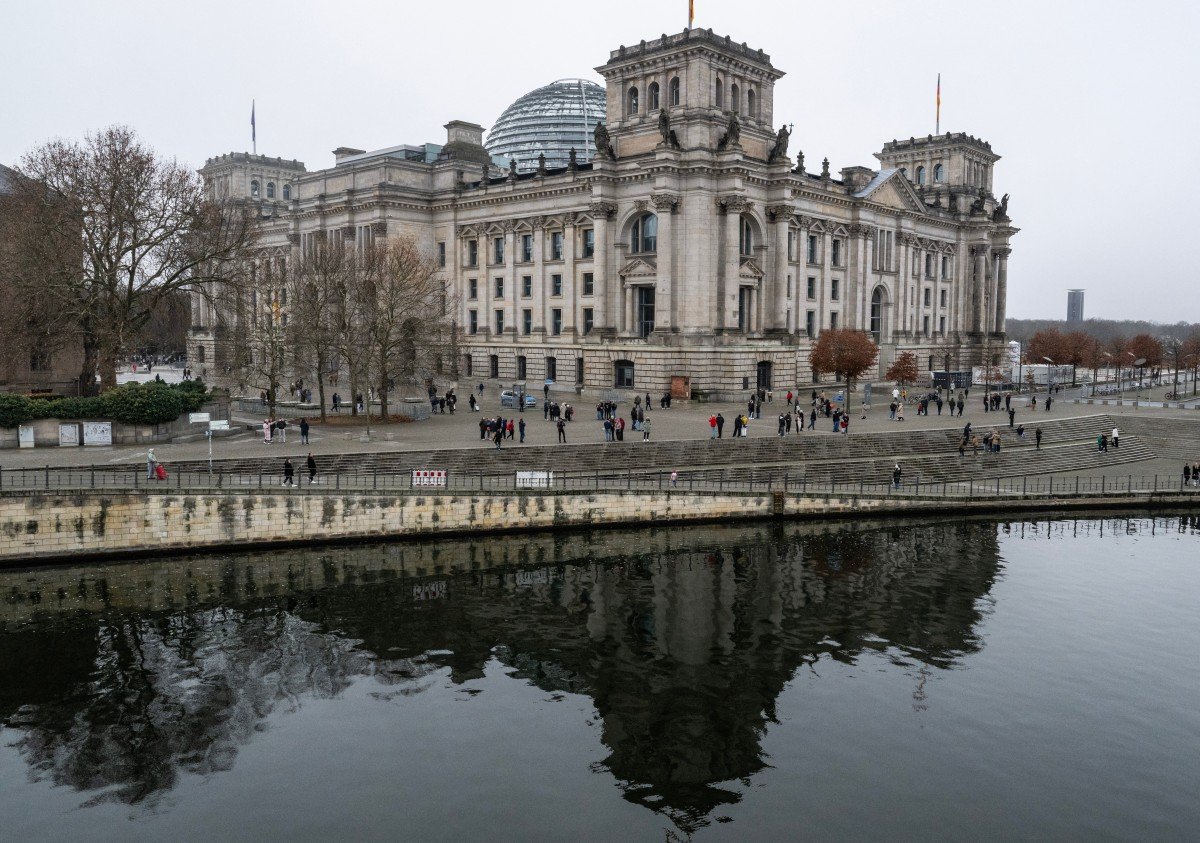
On Friday, the Federal Returning Officer publishes the final results of the elections. After the initial exit polls on February 23rd and the first vote count on the 24th, this is largely a formality. It can lead to slight changes in the vote count, but these are rarely enough to change the makeup of the Bundestag.
March 18th: Potential vote on defence and infrastructure spending
Five days after the emergency session on March 13th, the current Bundestag is set to congregate once more to vote on the billion-euro infrastructure and defence spending plans. At this point, the Union and SPD are hoping to have come to an agreement with the Green Party, whose votes they will need to rely on in order to pass the legislation.
READ ALSO: Greens cast doubt over Germany's defence spending plans
So far, the Greens have been reluctant to lend their votes to their opponent Friedrich Merz, who derided the party as "left-wing lunatics" just days before the elections. They have proposed significant changes to the defence plans and say they cannot vote for the infrastructure fund in its current form.
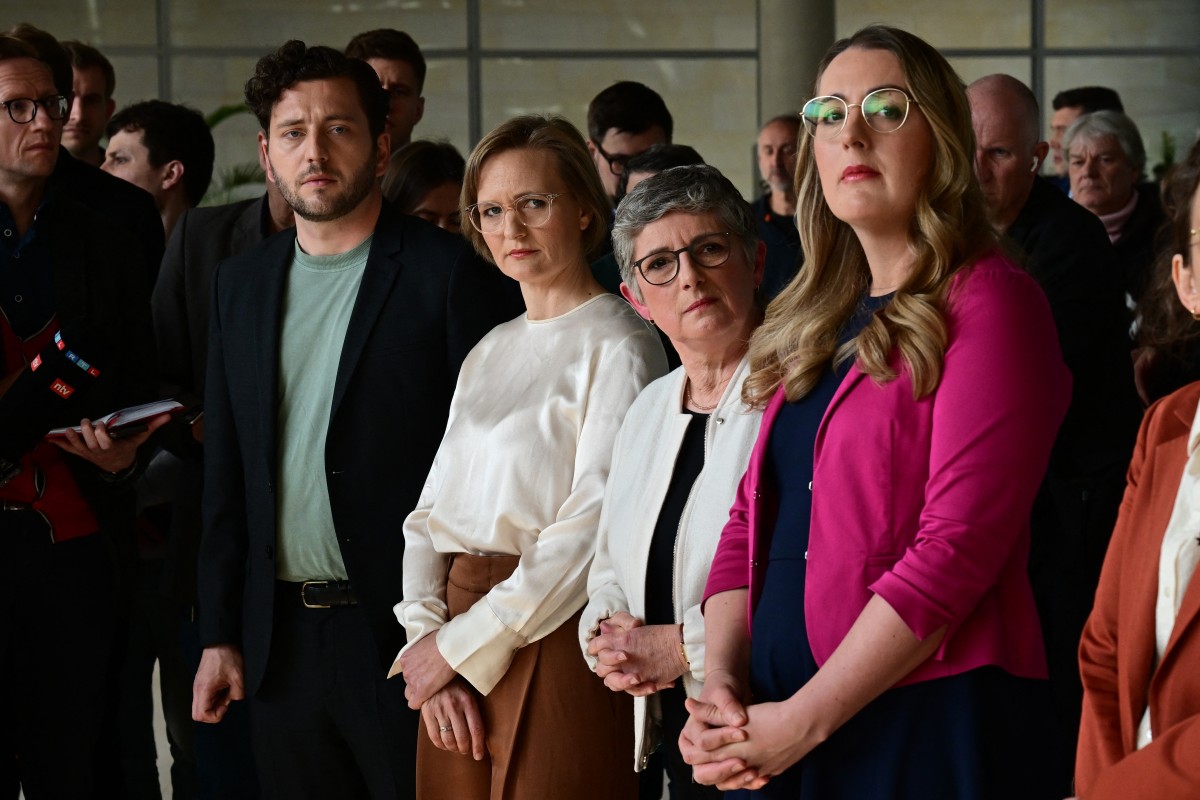
However, prominent voices in the CDU have said they are confident they will be able to talk the party round by this crucial deadline. This could involve embedding climate protections and climate-friendly infrastructure into the current infrastructure package, and extending the definition of "defence" to include peace organisations and diplomacy.
March 22nd-24th: CDU/CSU and SPD aim to finalise coalition pact
With the serious phase of negotiations kicking off on Thursday, Merz has said he expects the the coalition talks to take just ten days.
The working groups would then present the outcome of discussions by the end of the next week, with detailed plans for the economy, jobs, pensions, climate, transport, families and other government departments. These groups have apparently been instructed to conclude their talks by March 24th at the latest.
READ ALSO: Citizenship to Bürgergeld - What Germany's CDU and SPD have agreed so far
Of course, a lot will depend on whether the parties can secure the financing they need by loosening up the country's debt rules in their defence and infrastructure package.
If not, they may be dealing with far tighter budget constraints than they currently assume - or relying on a future vote on the bills in the brand new Bundestag.
March 25th: New Bundestag MPs take their seats
According to German law, newly elected MPs must take their seats in the Bundestag a maximum of 30 days after an election takes place. That means that the latest date for the formation of the Bundestag is Tuesday, March 25th.
This parliament will then have 630 seats in total, with 208 going to the CDU/CSU, 152 going to the far-right AfD, 120 going to the SPD, 85 to the Greens, 64 to the Left Party and one to the SSW, a party advocating for the rights of the minority Danish community in northern Germany.
With Merz hoping to push his spending bill through with the current constellation of MPs, this puts him on a very tight deadline. After this, the make-up of the Bundestag will mean he would have to rely on votes from both the Greens and the Left Party to get his debt reform past the finish line.
READ ALSO: German conservatives and centre-left agree in principle to form government
April 14th-20th: Self-imposed deadline for forming new government
The CDU chancellor candidate has repeatedly said he wants to form a new government "by Easter", meaning that Sunday, April 20th, would be the date of his self-imposed deadline.
So far, the process has sped by at record pace - likely driven by the scale of the challenges facing Germany and the dearth of alternative options. If things continue, Germany could see its new government take shape in mid-April, or even before.
According to an internal document leaked in the German press on Tuesday, the CDU wants to sign off on a coalition agreement in the week of the 14th.

April 23rd: Germany gets a new chancellor
Though this is by no means set in stone, the conservatives are reportedly eyeing April 23rd as the date to elect their leader Friedrich Merz as Chancellor. If this timeline holds, this would be the date on which Germany gets its tenth leader since the formation of the new republic.
READ ALSO: Friedrich Merz - the conservative set to be Germany's next chancellor
Incidentally, the 23rd is also the last date for challenging the results of the federal elections. After every election in Germany, there is a two-month period in which people can launch complaints and legal challenges.
Could any of this change?
Absolutely. Several parties, including the Left party (Die Linke) and far-right AfD, have launched legal challenges to try and prevent the emergency vote in the Bundestag.
According to Die Linke parliamentary leader Sören Pellmann, newly elected MPs are being unconstitutionally "excluded" from the vote on the debt bill and should be allowed to take their seats as soon as possible.
On Wednesday afternoon, the Constitutional Court in Karlsruhe said a decision could be expected "before the 18th", meaning the special voting session could still be overturned by the court.
Of course, there's also the possibility that coalition talks between the CDU/CSU and SPD could hit a snag. Alternatively, they could progress even faster than expected and lead to a government being formed in record time.
All of this could affect how the coming weeks pan out. However they do, it's undoubtedly a time of political flux in Germany
Comments