
On Saturday, the CDU/CSU and SPD announced they had concluded exploratory talks and could move onto the next, decisive stage of full-fledged coalition negotiations.
As a basis for the talks, the parties also published an "exploratory paper" outlining what the parties had agreed to so far. The potential coalition partners have pledged to keep in place a number of reforms to citizenship brought in by the previous traffic-light coalition.
READ ALSO: What Germany's CDU and SPD have agreed so far
"We remain committed to the citizenship reform," the paper states, referring to the landmark citizenship changes that came into force on June 27th last year.
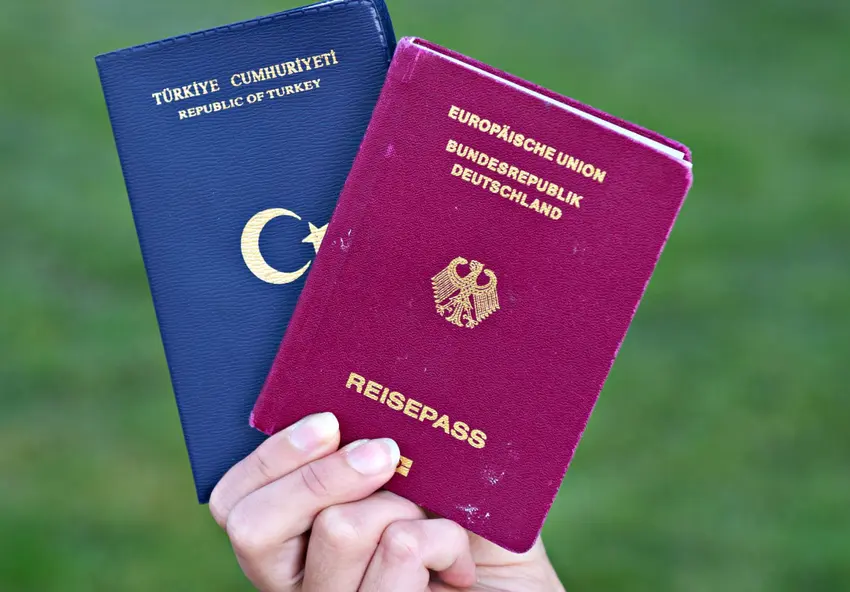
In a major change for non-EU nationals in Germany, the law brought in universal dual nationality rights. This has allowed foreigners to keep their previous nationalities when naturalising as German, while Germans can keep their existing citizenship when naturalising elsewhere.
In addition, the reform drastically cut the standard residency for citizenship from eight years to five, and to three in the case of "exceptional integration", while easing up language requirements for certain groups of immigrants.
These changes were fiercely opposed by the CDU and CSU in the Bundestag, with the parties branding the reform a "citizenship devaluation law". In the run-up to the elections, their joint manifesto included a pledge to reverse the law, effectively ending dual nationality and "fast-track" naturalisation.
There were some fears that a conservative-led coalition could bring a swift end to dual nationality in Germany. However, Saturday's announcement suggests that the SPD - who have long been in favour of a more liberal citizenship law - ultimately won on this issue.
In a nod to the CDU/CSU's manifesto, however, the parties pledge to review the possibility of stripping citizenship from dual nationals if they are supporters of "terror" or hold "extremist" or anti-Semitic views.
"We will examine under constitutional law whether we can withdraw German citizenship from terror supporters, anti-Semites and extremists who call for the abolition of the free and democratic basic order if they have another nationality," the document reads.
Following the CDU/CSU's win in the February 23rd elections, led by leader Friedrich Merz, the parties have been conducting talks to form a 'Grand Coalition' government with the SPD.
READ ALSO: German conservatives and centre-left agree in principle to form government
These talks have so far been conducted at a whirlwind pace, with the parties announcing billions in new defence and infrastructure spending just days after negotiations began.
Pointing to increased global uncertainty, Merz has repeatedly stated his aim to conclude the coalition talks and form a new government by Easter.
Comments