
Inside Germany is our weekly look at some of the news, talking points and gossip in Germany that you might've missed. It’s published each Saturday and members can receive it directly to their inbox by going to their newsletter preferences or adding their email to the sign-up box in this article.
Is this the 'Zeitenwende' we were promised?
They say that a week is a long time in politics, but sometimes a day is all you need to completely rethink years of economic consensus. This appears to be the journey that Friedrich Merz went on within hours of winning the federal elections.
Less than 24 hours after polling station shut their doors, the CDU leader - who had been staunchly anti-debt in the run-up to the vote - mused that perhaps Germany's debt rules were indeed too strict. Around a week later, Merz stood on stage with CSU leader Markus Söder and SPD leader Lars Klingbeil announcing hundreds of billions in extra borrowing and spending.
Though the finance package stops short of a complete reform of Germany's debt brake, it's nevertheless a stunning about-turn for the nation. Instead of tightening its purse strings, Germany is set to spend a whopping €500 billion on its infrastructure over the next years. This will be aimed at fixing creaking railway lines and shabby roads, digitalising and modernising the economy, and building better schools, hospitals and daycare centres - and experts say it couldn't come soon enough.
READ ALSO: Germany's new debt deal and what it means for residents
Meanwhile the debt brake - which caps borrowing at just 0.35 percent of GDP - will be cast aside for defence spending. With the United States now looking like a less reliable military ally - and in light of threats from Russia - the pressure is on Germany to re-arm on a massive scale. With this goal in mind, everything the country spends on defence over one percent of GDP could soon be exempted from the debt brake.
Though the response to the proposals has been mixed, there's no denying this is a ground breaking move for a coalition government that hasn't even been formed yet. Echoing Chancellor Scholz's famous promise after Russia invaded Ukraine in 2022, this is starting to look like a real Zeitenwende (historical turning point) for Germany.
Tough wrangling is set to come in the next few weeks as the Bundestag arranges two special sittings to debate and potentially vote on the bill. Talks begin on March 13th, when Merz will likely have to woo the disgruntled Greens into voting for his plans. If all goes well, the bill could pass the following week on the 18th - just seven days before the formation of the brand new Bundestag.
Tweet of the week
Many foreigners were able to vote for the first time in February's election after gaining their German citizenship. Let's just hope they won't have any reason to use the phrase below...
Where is this?
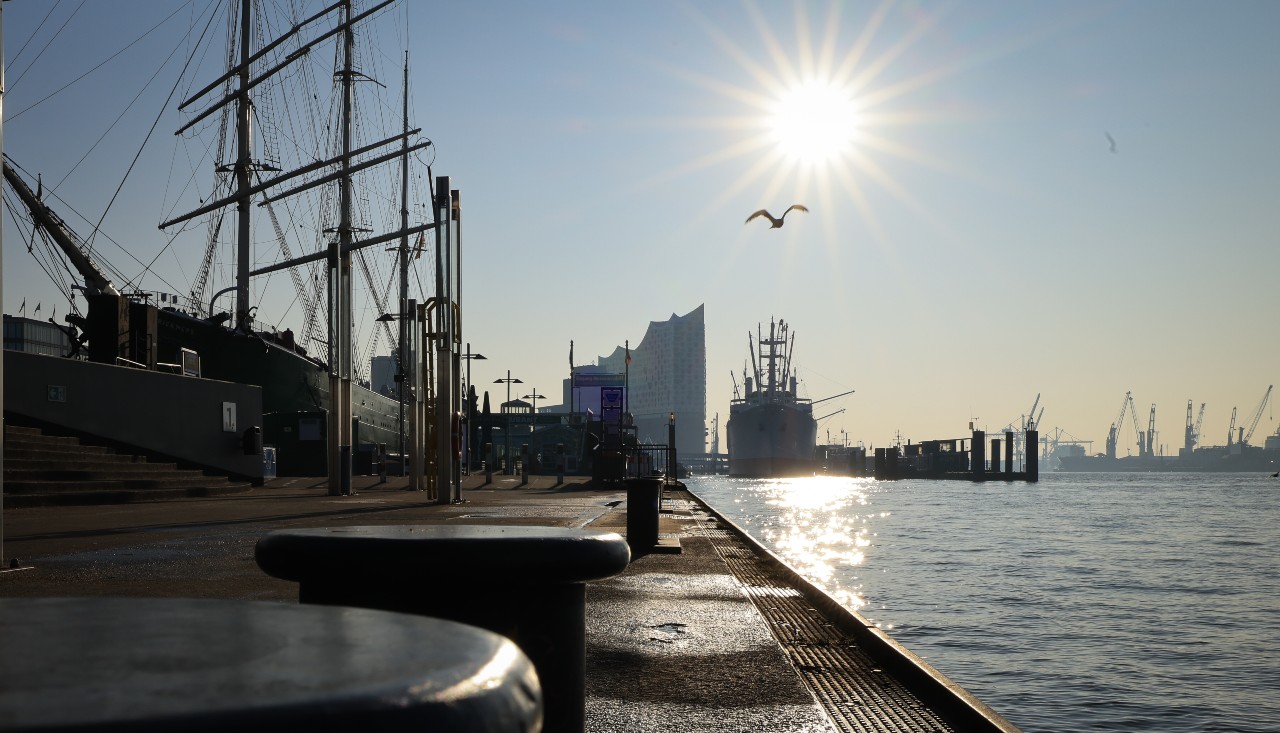
This stunning picture was snapped on the landing bridge in Hamburg's beautiful harbour on Thursday as the dazzling sunlight reflects off the famous Elbphilharmonie in the background. Germany has seen a string of blissful warm days recently, making it feel like the start of spring already.
International Women's Day
March 8th marks International Women's Day - or Frauentag in German - which is a public holiday in the states of both Berlin and Mecklenburg Western-Pomerania. As well as demonstrations in the capital and elsewhere, there are plenty of fun cultural and political events on offer to mark the occasion - so be sure to check out what's on near you.
If you happen to be in Berlin, check out our handy guide to the best events happening in the capital.
In the run-up to Frauentag, union Verdi organised a series of strikes in women-dominated sectors like nursing and childcare, highlighting the tough working conditions that many women still have to face. As if the 16 percent pay gap wasn't bad enough, employees in care roles - who are often women - tend to be overworked and overwhelmed as they compensate for chronic staff shortages. Many often juggle caring for children or elderly relatives with their chosen careers, and struggle to make ends meet.
This isn't the only thing that campaigners are unhappy about in Germany. You could also point to the far lower share of assets and wealth held by women; to women's underrepresentation in politics and C-level careers, to the prevalence of violence against women and to the ongoing debates over health and reproductive rights. Nevertheless, there are also some brilliant policies that help women to thrive in the Bundesrepublik, such as generous maternity leave and heavily subsidised childcare.
Do you feel that Germany is a good place for women to live - or is there still Luft nach Oben (room for improvement)? Whatever your view, we'd love to hear your thoughts.
Comments