

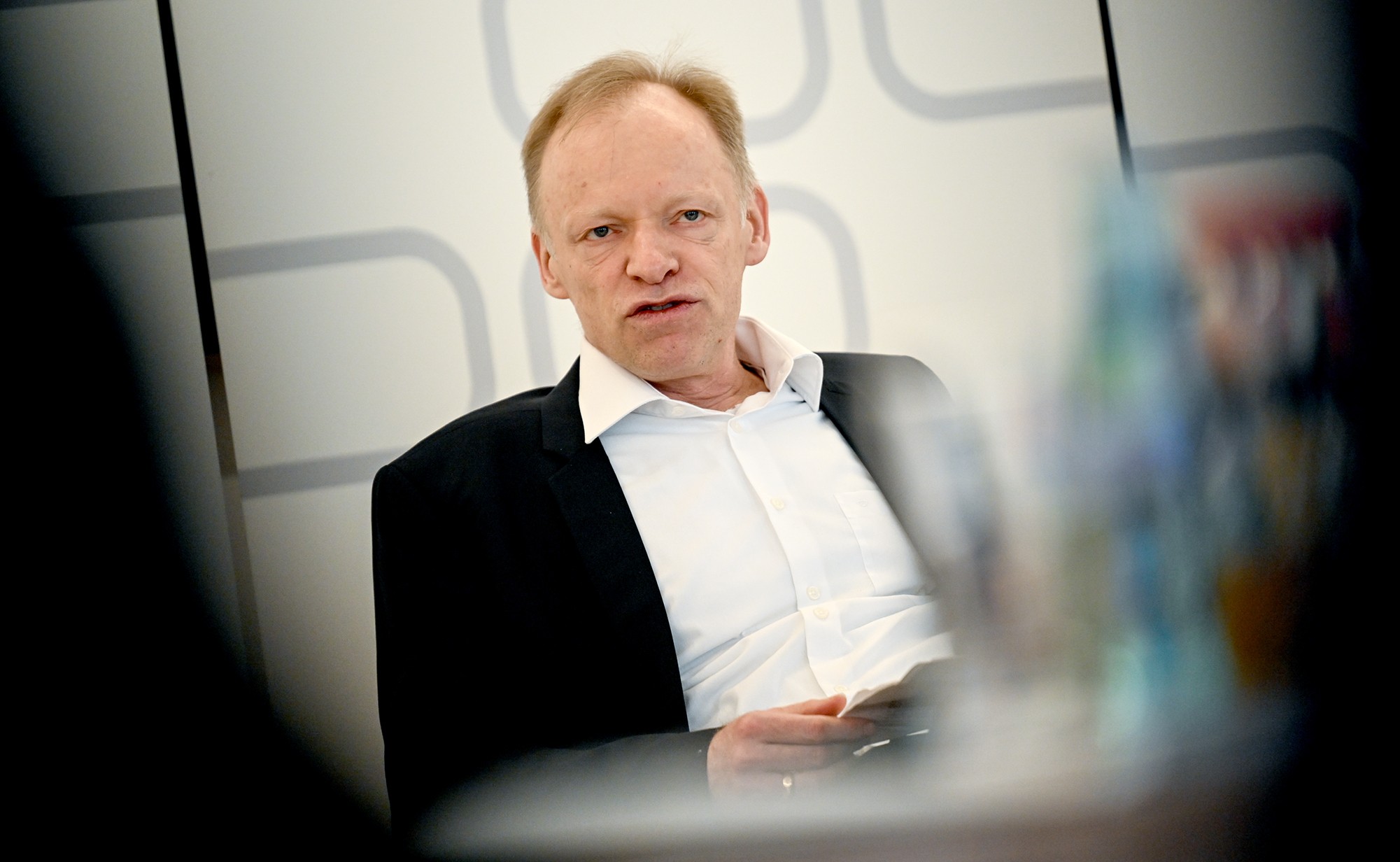
"I would abolish parental allowance altogether," Fuest told Welt am Sonntag. "It's a classic case of nice-to-have, but not a priority."
Many recipients of the allowance are financially well off, the economist argued, adding that cutbacks could be staggered over several years.
As the centre-right CDU and centre-left SPD continue talks on a future coalition, the parties are facing significant holes in the federal budget, which will need to be closed through tax raises or spending cuts.
The CDU, who won the February 23rd elections with 28 percent of the vote, have resisted the idea of tax hikes and pledged to offer tax relief for both middle and higher income households.
READ ALSO: What should foreigners in Germany expect from a CDU-led government?
"All state benefits must be scrutinised to see whether they are targeted precisely," said Fuest, addressing the potential coalition partners.
Fuest also pitched the idea of using the so-called "lawnmower method" to make sweeping cuts while avoiding debates on individual state benefits.
"If you don't want to get involved in detailed disputes, you can use the lawnmower method," he said. "General cuts of 50 percent, for example."
Up to €1,800 a month for new parents
Parental allowance - known as Elterngeld in German - allows parents to take up to 14 months of paid leave in order to care for a new-born infant without fearing economic hardship.
Mothers also get a period of paid leave known as Mutterschutz (maternity protection), which is mandatory from six weeks before the birth to eight weeks afterwards.
Parental allowance is currently set at 70 percent of a parent's income, capped at a maximum of €1,800 per month.
Current figures from the Germany's Statistical Office show that 1.8 million people in Germany applied for parental allowance in 2023. This amounts to costs of around €8 billion per year.
Last year, the former traffic-light coalition of the Social Democrats (SPD), Greens and Free Democrats (FDP) moved to tighten the income limits for couples claiming parental leave.
READ ALSO: How Germany is changing the rules around parental allowance
While previously, parents had been able to claim up to a joint income of €300,000 per year, this was reduced to €200,000 in April 2024. In April 2025, the limit is set to be reduced once more to €175,000 per year.
Around 7,000 families are expected to be affected by the change.
Comments (3)