
Race is on to form a new German government
After the election on February 23rd, CDU leader and chancellor-in-waiting Friedrich Merz wants to get a stable government together quickly.
The centre-right CDU/CSU has been holding initial talks with the centre-left SPD.
With problems piling up at home and abroad, Merz is keen to wrap things up by mid-April at the latest - but he may face a bumpy road during tricky coalition negotiations.
READ ALSO:
- Can Germany's next leaders tackle economic woes and far-right gains?
- What kind of coalition government should Germany expect after election?

Easyjet launches more services between Germany and Italy
Budget airline Easyjet will be flying more frequently between Italy and Germany from March.
The new routes include Hamburg and Frankfurt's direct flights to and from Milan and Rome from March 30th. Düsseldorf-Milan and Munich-Rome connections will also launch in March.
READ ALSO: The new destinations you can fly to Germany from this spring
EU citizens can apply for the ETA for the UK
From March 5th, people from Germany and other EU/EEA countries can apply for an Electronic Travel Authorisation (ETA) before visiting the UK.
This £10 permit allows travel for up to six months for tourism, business, short-term study, or visiting family and friends.
An ETA does not guarantee entry, and travellers must still go through border checks. It does not allow working in the UK (except for specific permitted engagements) or staying beyond six months. Those with a criminal record or past entry refusals may need a Standard Visitor visa instead.
From April 2nd, travellers from EU countries and other listed countries can enter the UK with their ETA.
This rule was already extended to all travellers from non-EU countries entering the UK from January 8th.
Note that people travelling on UK or Irish passports are exempt from these requirements.
More strikes possible
It's the news nobody wants to hear. But be prepared - public services, including transport in Germany - could be hit with major disruption in March.
Unions may call public-sector strikes at airports, local transport companies and across other services such as daycare and waste management.
We've already seen hundreds of flights being cancelled at airports, and local transport brought to a standstill.
The strikes are happening as unions try to put pressure on employers during collective bargaining for higher pay and better conditions.
READ ALSO:
- How warning strikes are affecting Germany's postal service and daycare centres
- What travellers in Germany should know about Munich's airport strike
International Women's Day on March 8th
Berlin and Mecklenburg Western-Pomerania offer a public holiday to employees on March 8th for International Women's Day.
But this year, the holiday falls on Saturday, meaning most people will not get the day off, although you can expect shops and supermarkets to be closed.
You can expect lots of 'Frauentag' demonstrations, talks and other events in Berlin and beyond on and around March 8th.
By the way, Berliners can enjoy an extra public holiday this year. May 8th 2025 is a one-off public holiday to mark the 80th anniversary of the liberation from Nazis and the end of WWII. In 2020, May 8th was a public holiday to mark the 75th anniversary of Liberation Day.
READ ALSO: The days you'll get off work in Germany in 2025

Temp workers to earn more
From March 1st, temporary workers (Leiharbeiter) in Germany will receive a minimum wage hike under German law.
According to the Labour Ministry, the minimum wage will rise by just over 50 cents from €14 per hour to €14.53. The wage also applies to employees who work for foreign companies.
New licence plates for mopeds and e-scooters
Blue insurance licence plates for mopeds and e-scooters expire in Germany at the end of February. They have to be replaced by green licence plates, which are issued by the vehicle insurance company. The colour change is carried out every year to make it easier for the police and public order office to see whether insurance cover is up to date.
"Anyone who continues to drive with old blue licence plates in March is liable to prosecution and is not insured," warned the General Association of Insurers or Gesamtverband der Versicherer.
Many pensioners face higher health insurance costs
While the additional health insurance contributions for many employees already went up at the turn of the year, changes will affect pensioners from March.
The additional contributions vary depending on the health insurance organisation. For those affected, pension money transferred will be correspondingly lower.
If a health insurance company raises the additional contribution, those insured have a special right of termination until the end of the month when the increase has taken effect. Insured people also have the right to change their statutory health insurance fund every 12 months.
READ ALSO: How can I change my German health insurance provider?
Carnival celebrations keep on going
It is party time in many parts of Germany.
That's right, carnival celebrations are still going strong in the first few days of March. The event is known as Karneval, Fasching or Fastnacht depending on where you are. The large parade, known as Rosenmontag, takes place on March 3rd and is not to be missed.
READ ALSO: What you need to know about celebrating carnival in Germany
North Rhine-Westphalia extends rent brake
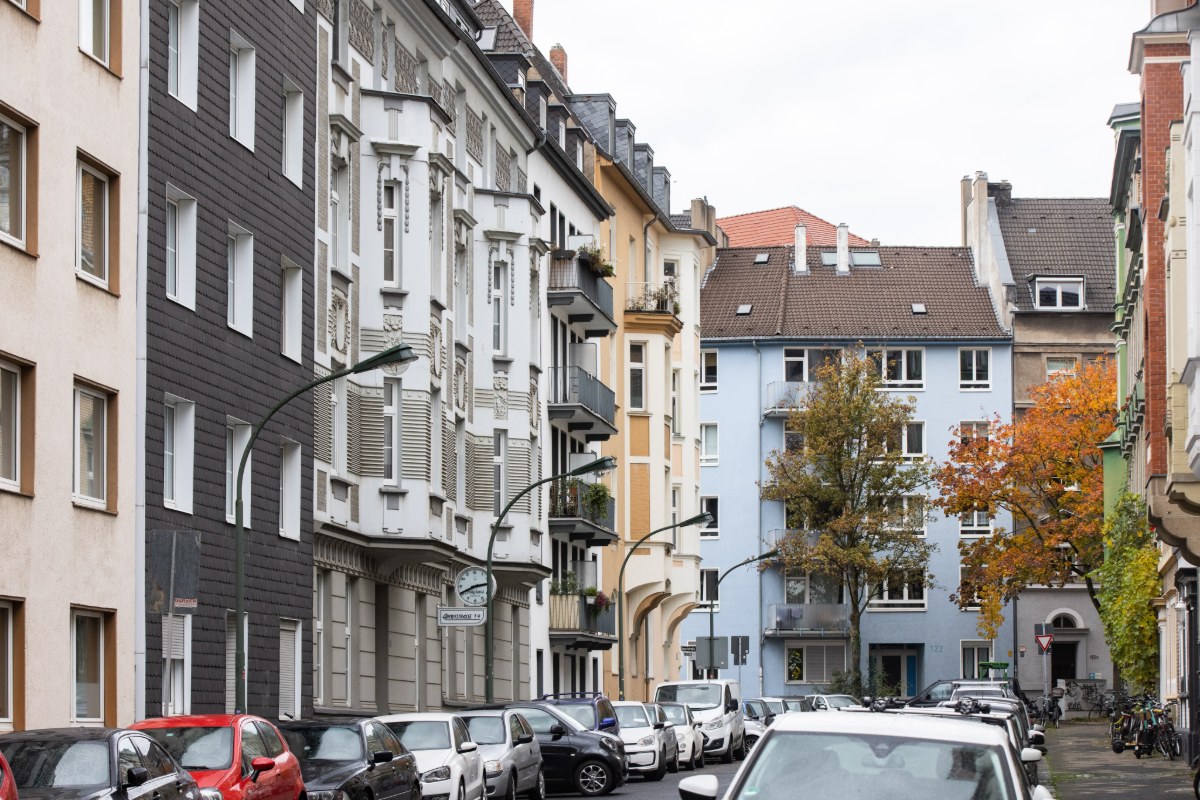
The so-called rent price brake or Mietpreisbremse is to be extended to 57 municipalities (from 18) in the western German state of North Rhine-Westphalia starting in March.
According to the state government, the housing market in these areas is considered to be under pressure - a condition for imposing the rent controls.
Rents in the affected municipalities may only be increased by a maximum of 15 percent every three years instead of 20 percent. For new contracts, the rent can only be 10 percent higher than the standard local rent.
Meanwhile, the so-called 'cancellation blocking period' or Kündigungssperrfrist will also be extended to eight years instead of the previous three.
After the sale of a rental flat, a cancellation due to personal use (known in German as 'Eigenbedarf') is only possible after this period. The rules are being extended to a number of cities, including Aachen, Dortmund, Düsseldorf and Münster.
READ ALSO: Why challenging your high rent in Germany is a civic duty to other tenants
One year since skilled worker reforms
March 2025 marks a year since the implementation of the second part of Germany's skilled worker immigration reforms.
In March 2024, some of the most significant changes were brought into force aimed at encouraging and making it easier for qualified workers to enter the job market in Germany.
Among them were the relaxation of family reunification rules. Anyone who arrives in Germany on a skilled worker permit or Blue Card is now able to bring their parents to live with them in Germany. If their spouse is also a permanent resident of Germany, the same applies to their parents-in-law.
The law change has been bittersweet, because the relaxed rules do not apply to foreigners already in Germany before March 1st 2024.
READ ALSO:
- How many skilled worker permits are being granted by Germany?
- Inside Germany - Winter clocks, giant pumpkins and a year of the skilled worker law
Deutsche Bahn changes
From March 8th, German rail operator Deutsche Bahn is organising an additional direct train service between Rostock via Berlin, Leipzig and Frankfurt to Stuttgart and Munich. According to Deutsche Bahn, an extra direct service will leave Frankfurt at 12:14 on Saturdays, passing through Fulda (13.11) and arriving in Rostock at 18:36.
Meanwhile, the 'Tiefbahnhof' - the lower section - of Berlin's main station or Hauptbahnhof will remain closed on one side for construction work in March. Meanwhile, all eight tracks will be closed on an extended weekend from March 21st to 24th, according to Deutsche Bahn.
Spring officially arrives
There may still be a few cold spells in March (and even into April) but keep in mind that spring is officially around the corner.
Thursday March 20th (at 10.01am in Germany to be precise) is the Spring Equinox in the Northern Hemisphere.
Clocks go forward
And speaking of spring - prepare for more light!
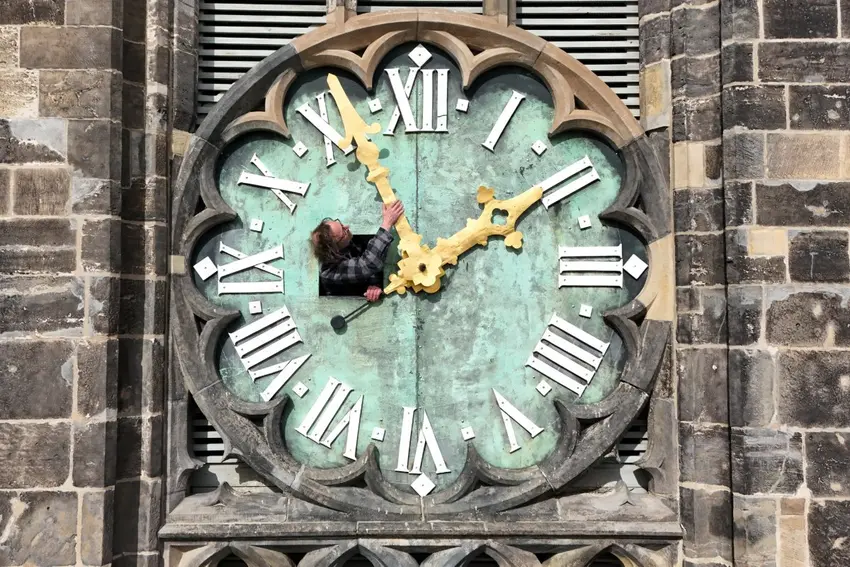
In Germany, the clocks will be turned again on Sunday, March 30th. At 2am, the hands will be set forward by one hour to 3am. This means that the last Sunday in March will be one hour shorter, but in return it will be light for noticeably longer in the evening.
Sommerzeit (summer time) ends on October 26th when the clocks go back one hour.
Comments