
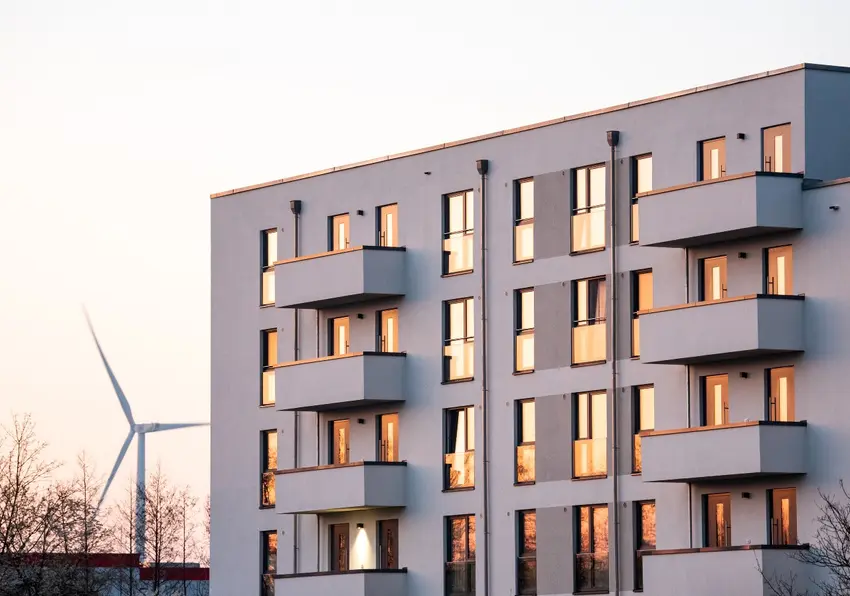
In strained housing markets, such as in Berlin, Munich and Frankfurt, trying to secure an affordable place to settle down is becoming more and more difficult.
A recent study by the German Economic Institute (IW) found that rents in Germany increased on average by 4.7 percent year-on-year, with Berlin seeing an 8.5 percent hike at the end of 2024 compared to the previous year.
It's no wonder then that housing has become one of the top concerns among voters in Germany. And one thing all politicians agree on is that action has to be taken to ease the housing market.
Most election manifestos state that this includes making faster progress with the construction of new homes. However, opinions differ on how to deal with the ever-increasing rents on the market.
With the nation set to vote on February 23rd, we round up the party pledges on housing.
READ ALSO:
CDU/CSU
The centre-right Christian Democrats (CDU) and its Bavarian sister party, the CSU, are the frontrunner in polls, with around 29-30 percent.
As things stand in current poll developments, the CDU/CSU - often referred to as the Union - would possibly lead a future coalition government with the Social Democrats (SPD) or Greens.
READ ALSO: Which coalition governments are most likely after Germany's election?
The CDU/CSU are pushing for removing bureaucratic hurdles in housing construction and promoting home ownership with a pledge to make "building and housing affordable again".
Meanwhile, their manifesto states only building more homes "will ensure more favourable rents".
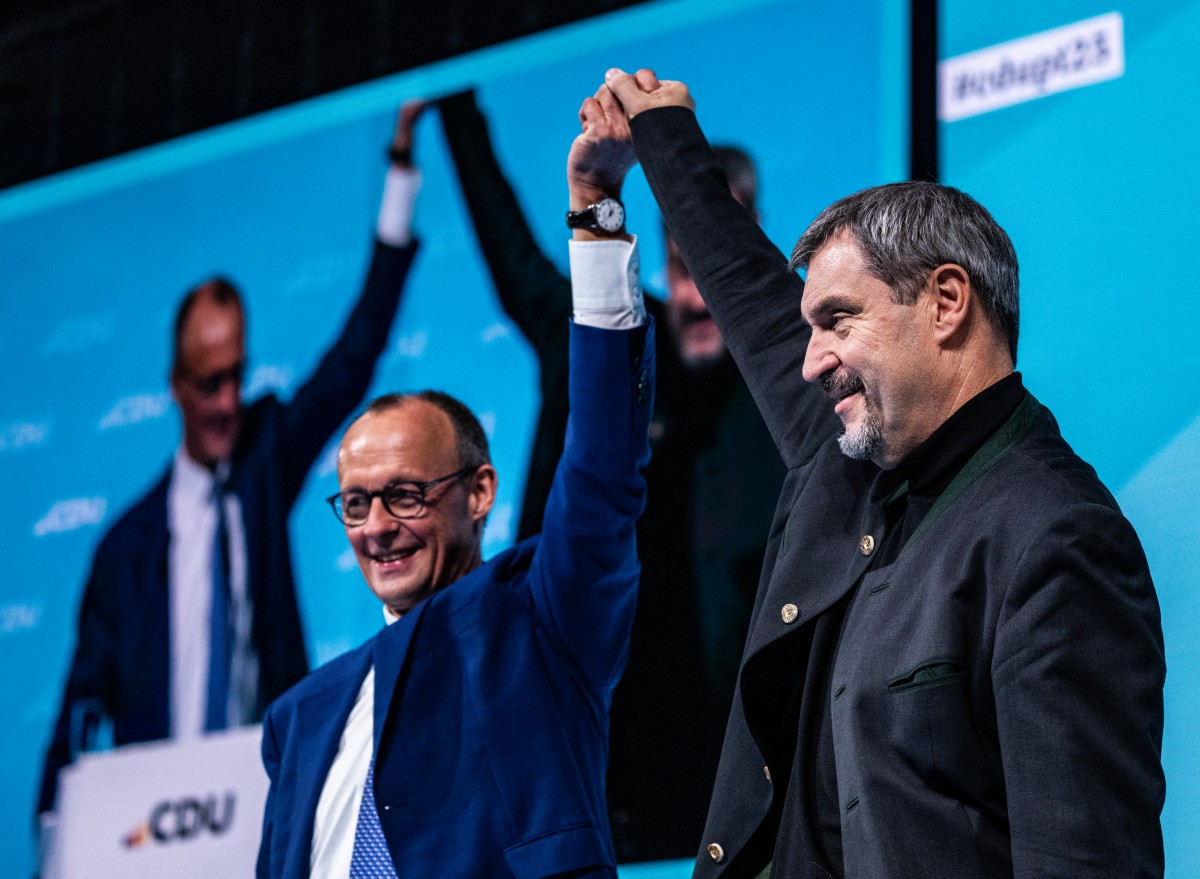
The bloc also wants to make sure that landlords who charge significantly less than the local comparative rent pay less tax. This is intended to create an incentive to offer affordable housing.
The CDU/CSU is not calling for a rent cap or Mietendeckel, but the Union seem to be open to some kind of rent control. Their manifesto states: "We stand for effective and appropriate tenant protection - this also includes rules on rent levels."
The Union is also in favour of helping those with lower incomes.
"Social housing must be solidly subsidised and housing benefit regularly adjusted," the parties add.
READ ALSO:
- 'Not woke' - the conservatives outline right-wing vision for Germany
- What would a CDU election win mean for Germany?
SPD
The centre-left Social Democrats, who are currently expected to be a junior coalition partner in a future CDU-led government, have a large focus on affordable housing in their manifesto.
The party says it wants to "put the brakes on rent increases", and calls for a permanent extension of the Mietpreisbremse (rent brake), a legal instrument that can stop landlords from increasing rents too much. The party also wants tighter limits on rent increases within the law.
"The rent brake is to apply indefinitely and also to properties that were occupied by 2019 in order to ensure stable and affordable rents in tight housing markets in the long term," their manifesto states. At present, the rent cap only applies to flats built before October 2014.
The SPD, which is third in the polls with Chancellor Olaf Scholz leading the election campaign, also wants to close loopholes in rent control laws and make sure that index-linked tenancy agreements are capped, too.
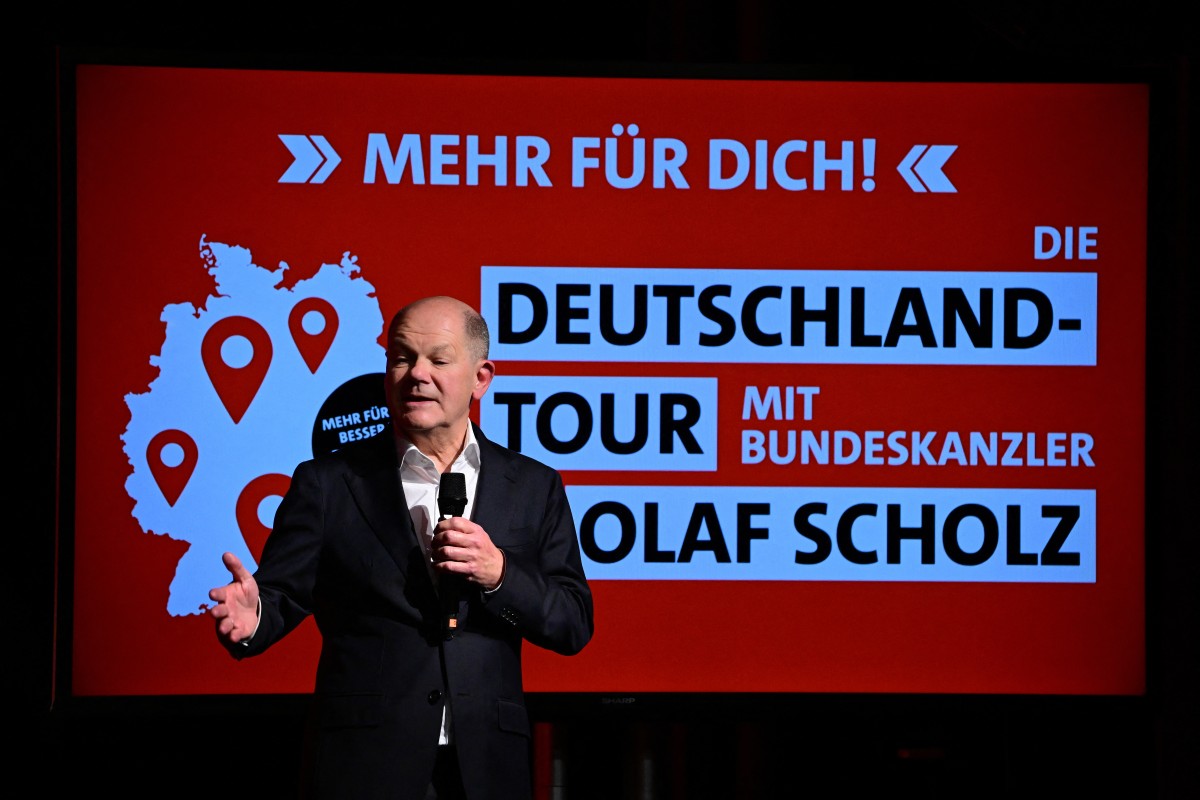
The Social Democrats are also pushing to relieve tenants by reducing "the burden of property tax".
Plus, they want affordable accommodation for those in education. "We want to ensure that students and trainees pay no more than €400 for a room in a shared flat if possible," says the party.
Like the CDU/CSU, the SPD wants to reduce bureaucracy to speed up housing construction, with funding allocated to construct social housing.
The party also wants to use a new public-private "Germany Fund" - to provide housing associations and co-operatives with capital for housing construction.
READ ALSO: Which Social Democrat pledges should foreigners in Germany know about?
Greens
The Greens are in favour of a combination of tenant protection and sustainable housing construction. The centre-left party shares some aims with the SPD. For example, they want to "regulate the rental market so that rents do not continue to go through the roof".
They say they will do that by extending the rent brake, closing loopholes and improving it.
The Greens, with chancellor candidate Robert Habeck, also have a focus on providing more homes - although they emphasise that they should be good for the planet.
"We want to build quickly, affordably and in a climate-friendly way with a realistic construction programme, especially in existing buildings," states the party in a summary of its manifesto.
They suggested that "adding storeys to existing buildings, converting unused office space into living space, converting attics and reactivating vacant buildings" could help provide "several million flats".
The Greens say they also want to "help people to acquire or renovate residential property so that it remains affordable".
READ ALSO: The Green party pledges foreigners in Germany should know about
AfD
The anti-immigration Alternative for Germany (AfD) party is second in the polls after the CDU but is unlikely to get into government because of the 'firewall' mainstream parties have against working with the far right in Germany. But since they are gathering support, here's a glance at their housing proposals.
Mostly, the far-right party wants to turn more tenants into homeowners. It also wants to give local residents privileges over outside buyers or renters.
"Locals should be favoured when it comes to the allocation of land and housing," the party states in its manifesto, adding that low-income tenants should be supported with housing benefit.
In addition to lower construction costs, the AfD wants to see ancillary housing costs lowered "in order to make housing affordable again for citizens".
The party calls for the real estate transfer tax for owner-occupiers, the property tax and the licence fee or Rundfunkbeitrag to be abolished. Meanwhile, the AfD calls for the real estate transfer tax for foreign buyers whose main residence is outside the EU to be increased to 20 percent.
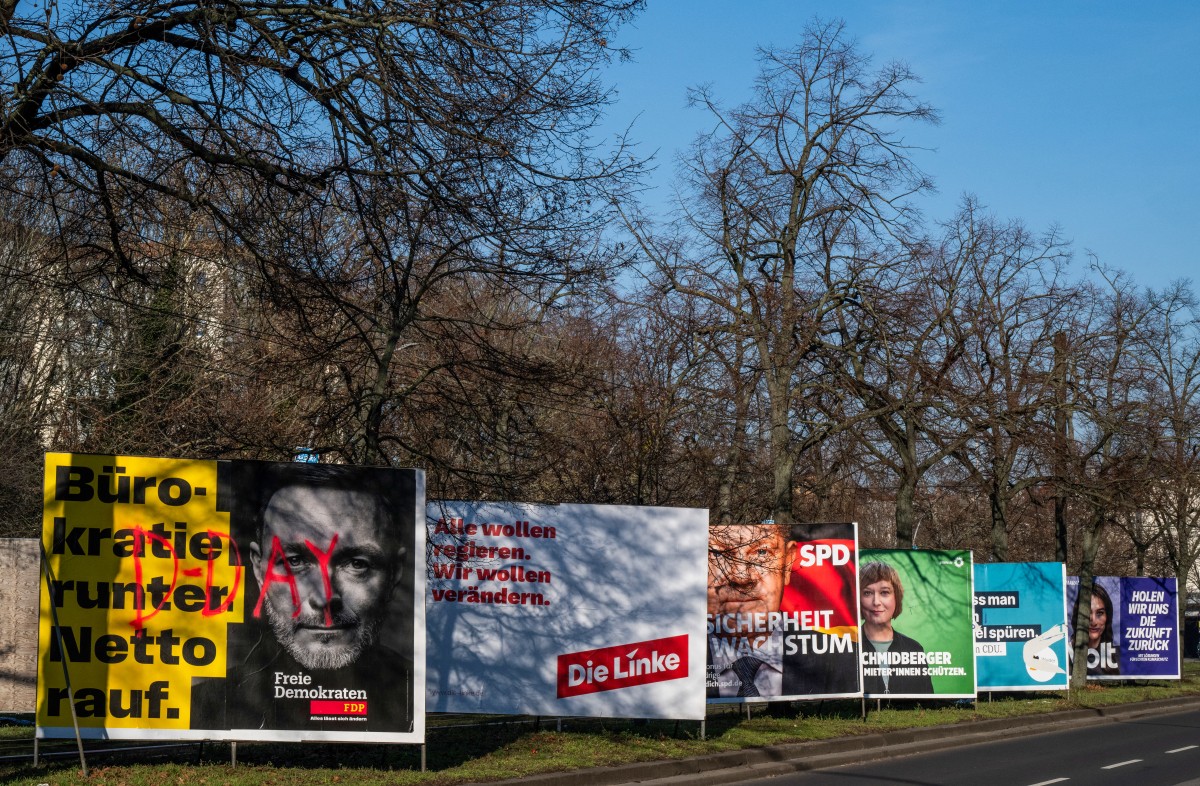
The party also wants to see what it describes as "ideology-driven" measures such as the EEG levy, CO2 tax and the Building Energy Act (GEG) abolished.
In its election manifesto, the AfD rejects rent regulation of any kind. "The AfD stands for balanced tenancy law and rejects government overregulation and investment barriers such as the rent brake or the rent cap," the party's manifesto states.
What about the other parties?
The Free Democrats (FDP) are in favour of speeding up planning and authorisation procedures for more housing construction. It is also focusing on promoting innovation in the construction industry and private investment.
The pro-business FDP says it wants to ditch the rent brake law. Their manifesto states: "The rental price brake is demonstrably a brake on investment. That is why we are phasing it out. In order to incentivise the urgently needed new construction, we are breaking the state regulation spiral in the rental market."
For the Left party (Die Linke), rent regulation is more important than the construction of new flats, although they do promote building some affordable housing. The party is calling for the expropriation of large housing companies and a nationwide rent cap. "As an immediate measure, rent increases must be ruled out nationwide for the next six years," says the party. "Only non-profit landlords who have previously set very low rents will be allowed to increase them slightly to cover costs."
The hard-left/conservative Sahra Wagenknecht Alliance (BSW) is calling for large parts of the housing market to become non-profit. The party wants municipal housing construction companies to receive favourable loans for housing construction. Wherever affordable housing is in short supply, rents should be frozen until the end of the decade, demands the BSW.
"We are calling for a nationwide rent cap instead of an ineffective rent brake," the BSW states in its manifesto.
Note that it isn't clear at this stage whether these parties will clear the five percent hurdle to enter the Bundestag.
READ ALSO: German elections - The key party pledges that will affect foreign residents
Comments