

Germany is reeling after a brutal knife attack in the Bavarian city of Aschaffenburg last week that claimed the lives of a man and a two-year-old boy.
The incident was the latest in a series of violent crimes committed by asylum seekers that have fuelled a bitter debate over immigration.
READ ALSO: Germany's asylum services in the spotlight after knife attack
With a nationwide election just a few weeks away on February 23rd, politicians have been vowing to tighten migration policy.
The Christian Democratic Union (CDU) and its Bavarian sister party, the CSU, have put together two motions aimed at toughening up migration and internal security policy, which are set to be voted on in the Bundestag this week.
They include a proposal to allow for dual citizens to have their German nationality revoked in cases of serious criminal offences.
Adding to the tension is that the CDU/CSU's chancellor candidate Friedrich Merz has said he does not care which parties vote in favour of the motions - in effect accepting the anti-immigration Alternative for Germany's (AfD) backing.
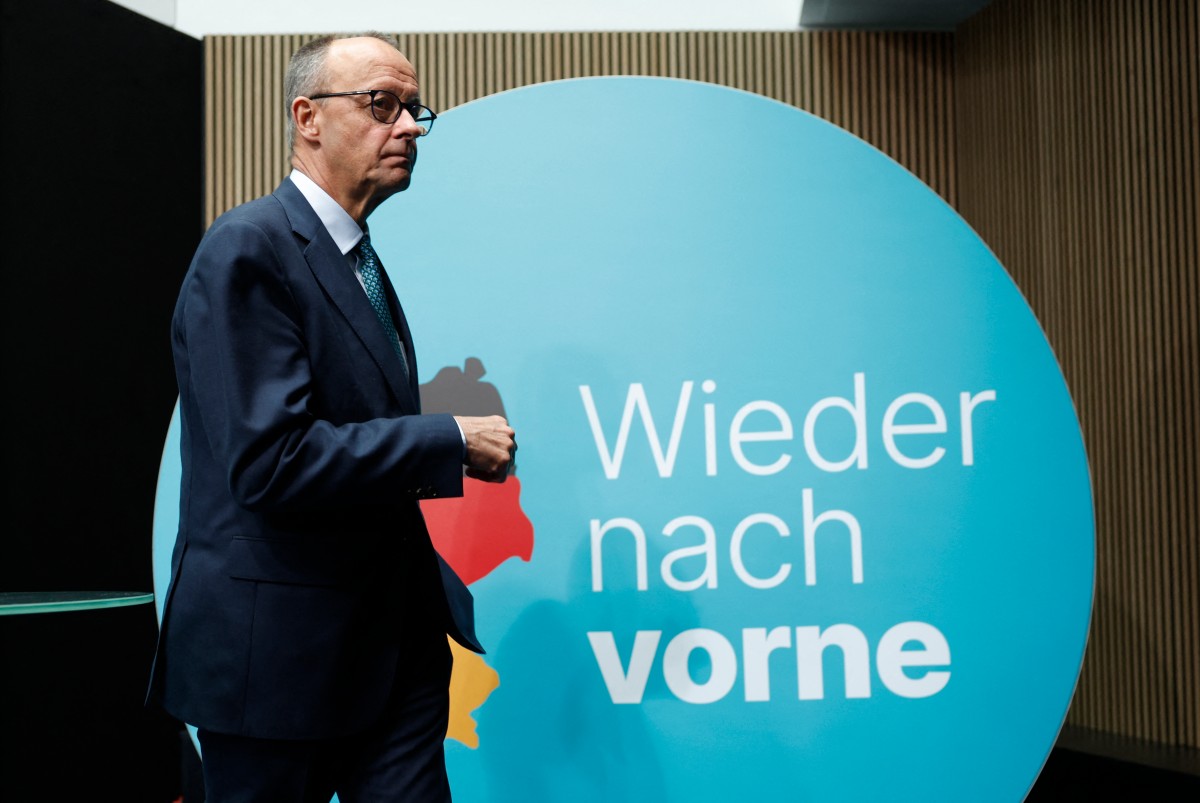
Many fear this weakens the 'Brandmauer' or firewall against the far right. At the weekend, tens of thousands of people protested against the far right politics.
What are the CDU's new immigration policy proposals?
Following Merz's call last week for "fundamental changes" to asylum policy, German media outlets, including Tagesschau, have published more details on the draft proposals from the CDU/CSU.
One of the motions contains a five-point plan "for secure borders and an end to illegal migration".
The other motion, titled "For a policy change in internal security", contains 27 points with measures "for an effective strengthening of internal security and to end illegal immigration".
Both are motions for resolutions, which can be understood as a political demand or expression of will in the direction of the federal government. They do not result in an immediate change in the law.
Here's a look at the important points:
Tighten border controls
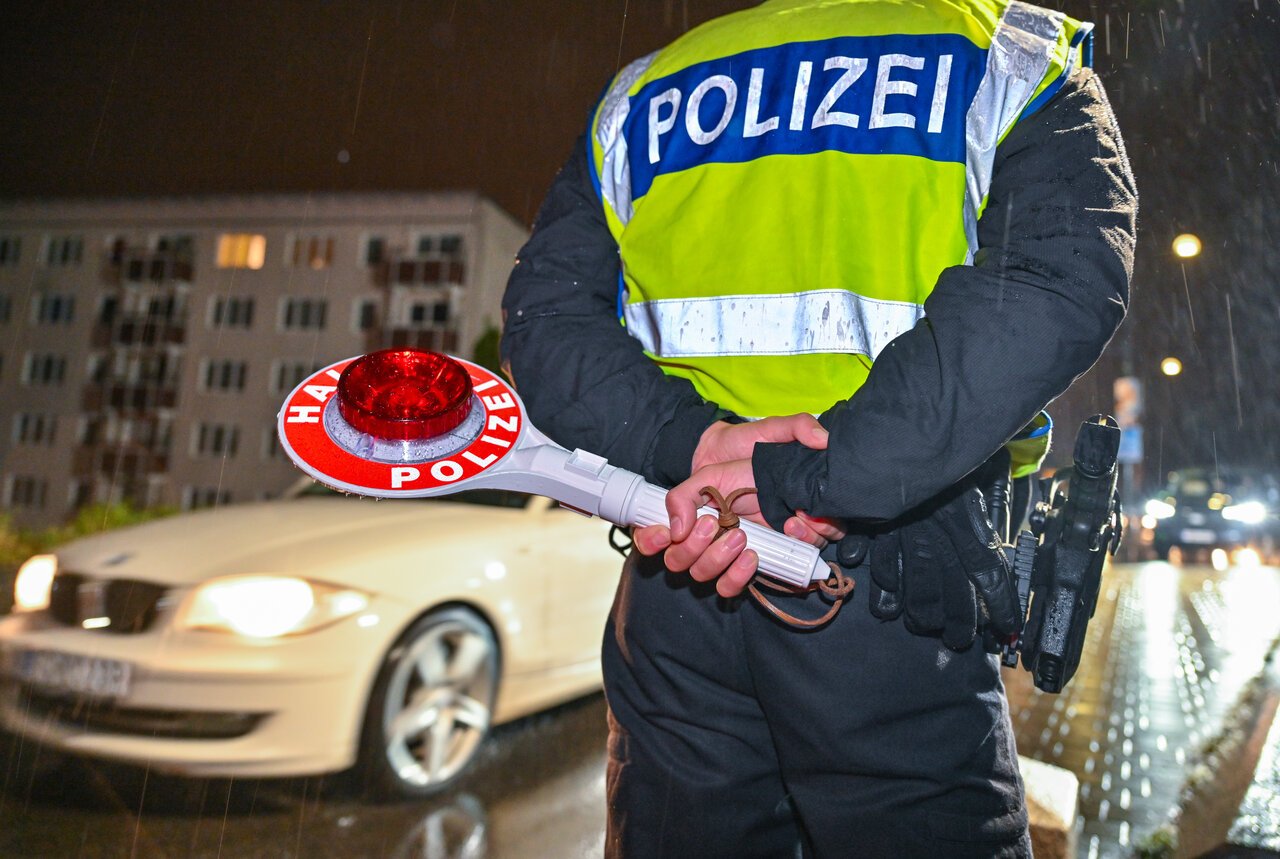
The CDU/CSU calls for the continuation of border controls at Germany's borders - indefinitely.
Interior Minister Nancy Faeser (SPD) ordered border controls in September 2024, which were to last for six months. At the end of December, Faeser then announced her intention to continue the measure beyond March 2025. However, permanent border controls are not compatible with European law, as the Schengen Borders Code only allows border controls within the EU for a limited period of time.
The Union combines the demand for continued border controls with the plan that Merz has already mentioned to turn back travellers without a valid permit - even if they have applied for asylum. However, under current European law, refoulement is only possible if there is a ban on entry or no asylum application has been submitted.
The European Dublin rules stipulate that EU member states must first check which country is responsible for processing an asylum application before the person concerned can be sent on.
In the second draft proposal, the Union also calls for a "secure third country solution". This means that Germany, together with the EU, should create the conditions "for asylum procedures and, if necessary, the granting of protection to take place outside Germany and the EU".
More deportations
The plan contains ideas for a different way of dealing with migrants who are obliged to leave the country. For example, those who are required to leave the country must be "immediately taken into custody", the plans say, adding that the number of deportations must be significantly increased. The Union also wants deportations to Syria and Afghanistan to be carried out regularly.
Citizenship law changes
The draft motion on internal security also contains proposals on changing citizenship law.
The conservatives have long been fighting against the naturalisation reform that the previous 'traffic light' coalition - the SPD, Greens and FDP - brought in last year, and have vowed to reverse it if they get into government.
READ ALSO:
- Why is dual citizenship so controversial in Germany?
- How the conservatives want to gut German citizenship laws
In the latest migration policy plan, the CDU/CSU reaffirms and specifies the proposal made by Merz at the beginning of January to allow for the revocation of German citizenship "in the event of serious criminal offences committed by naturalised dual nationals".
This would apply to "serious criminal offences or acts clearly directed against our free democratic basic order", says the CDU/CSU.
It also vows to reverse parts of the reformed citizenship law, such as dual citizenship and the option to naturalise after three years in cases of excellent integration achievements.
READ ALSO: When can your German citizenship revoked?
More powers for security authorities
The CDU/CSU combines its migration policy demands with proposals to expand the powers of the police and intelligence services, including a longer retention period for IP addresses, data exchange between authorities and an expansion of facial recognition at crime hotspots.
READ ALSO: How would a strong AfD election result impact foreigners in Germany?
What's the controversy?
The Union's proposals have raised a couple points of contention. First, legal experts are raising questions over whether the proposals are compatible with current German and EU laws. Second, critics have argued that accepting support from the AfD for these plans would amount to cooperating with them.
Speaking to German broadcaster ZDF, Merz said: "We in the CDU/CSU parliamentary group are doing what we think is right in the matter.
"And if the AfD agrees, then it agrees."
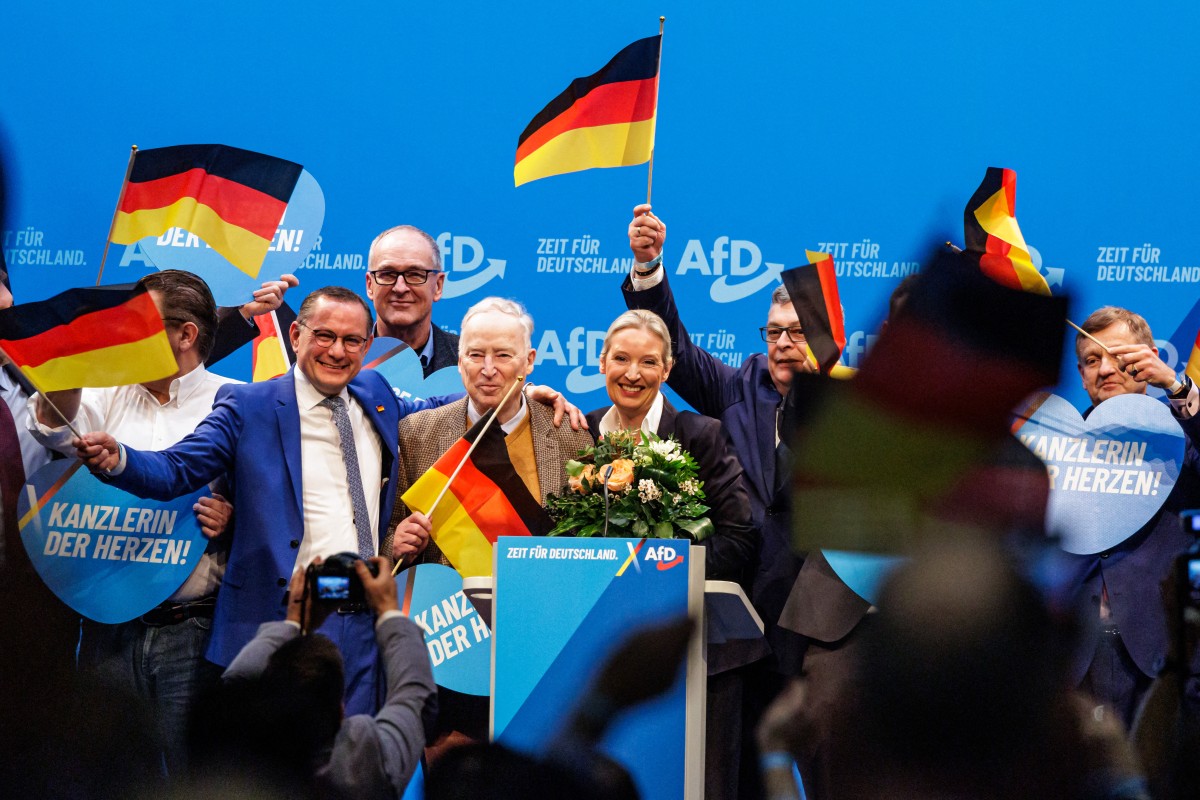
AfD co-leader Alice Weidel posted on social media site X that "the firewall has fallen".
"The CDU and CSU have accepted my offer to vote together with the AfD in the Bundestag on the fateful issue of migration," Weidel said.
Meanwhile politicians from opposing parties have slammed Merz's willingness to accept support from the far-right.
"If Mr Merz goes down the wrong national path, then the CDU has lost all direction," Interior Minister Nancy Faeser, of the SPD, said.
However, in the current Bundestag it will take more than just the CDU, CSU and AfD votes to pass the proposal. They would also need to win some votes from other parties
Meanwhile, the SPD on Monday said that it plans to reintroduce its own tightened migration and security policy proposals to the Bundestag, which it said had been blocked by opposition parties.
Comments