

When the traffic light coalition government of the Social Democrats (SPD), Greens and Free Democrats (FDP) first came together in 2021, they did so with a number of plans for renters.
From building 400,000 new homes a year to extending rent controls, the parties promised to give tenants "security" and make housing both "affordable" and "accessible".
Three years later, as Housing Minister Klara Geywitz (SPD) gears up to chair the annual Housing Summit in Berlin, campaigners are pushing the government to make good on its promises.
"A summit that calls itself a housing summit must also bring significant improvements for tenants," Lukas Siebenkotten, the president of the German Tenants' Association (DMB), told RND on Thursday.
"The government must finally do its homework and bring the agreements from the coalition agreement that are awaiting implementation into the Bundestag before the end of this legislative period."
READ ALSO: Germany set to deliver less than half of promised new homes in 2026
According to the DMB, a number of promises made by the traffic-light coalition have failed to materialise over the past three years - with the situation even getting worse for renters.
Germany's rent brake - which caps rent increases at 20 percent over three years - is set to expire in some federal states in early 2025, while protections against converting rental flats into purchase properties will expire at the end of that year.
Meanwhile, the stock of affordable housing is at an "all-time low" of one million homes, and the number of building permits has also sunk to historically low levels, Siebenkotten said.
"The traffic light coalition has not only failed to implement its own coalition agreement for tenants, but has also left behind major roadblocks for the coming legislative period," he added.
"The issue of housing and rental policy must be at the top of the political agenda in the 2025 election year, otherwise we face the threat of massive social upheaval."
'Turbocharge construction'
This year's Housing Summit got off to a bumpy start after plans to hold the conference with Chancellor Olaf Scholz (SPD) in Hamburg were cancelled last minute, forcing the event to relocate to Berlin.
A number of housing industry stakeholders are due to gather at the two-day meeting in the German capital - among them the GdW, an umbrella organisation representing the housing and construction industry.
Last year, the GdW refused to attend the meeting, citing frustration over the "fragmented" package of measures proposed by the government.
READ ALSO: Is there any hope for Berlin’s strained rental market?
This year, however, the association will meet with Geywitz to "clearly address our critical comments", GdW President Axel Gedaschko told RND.
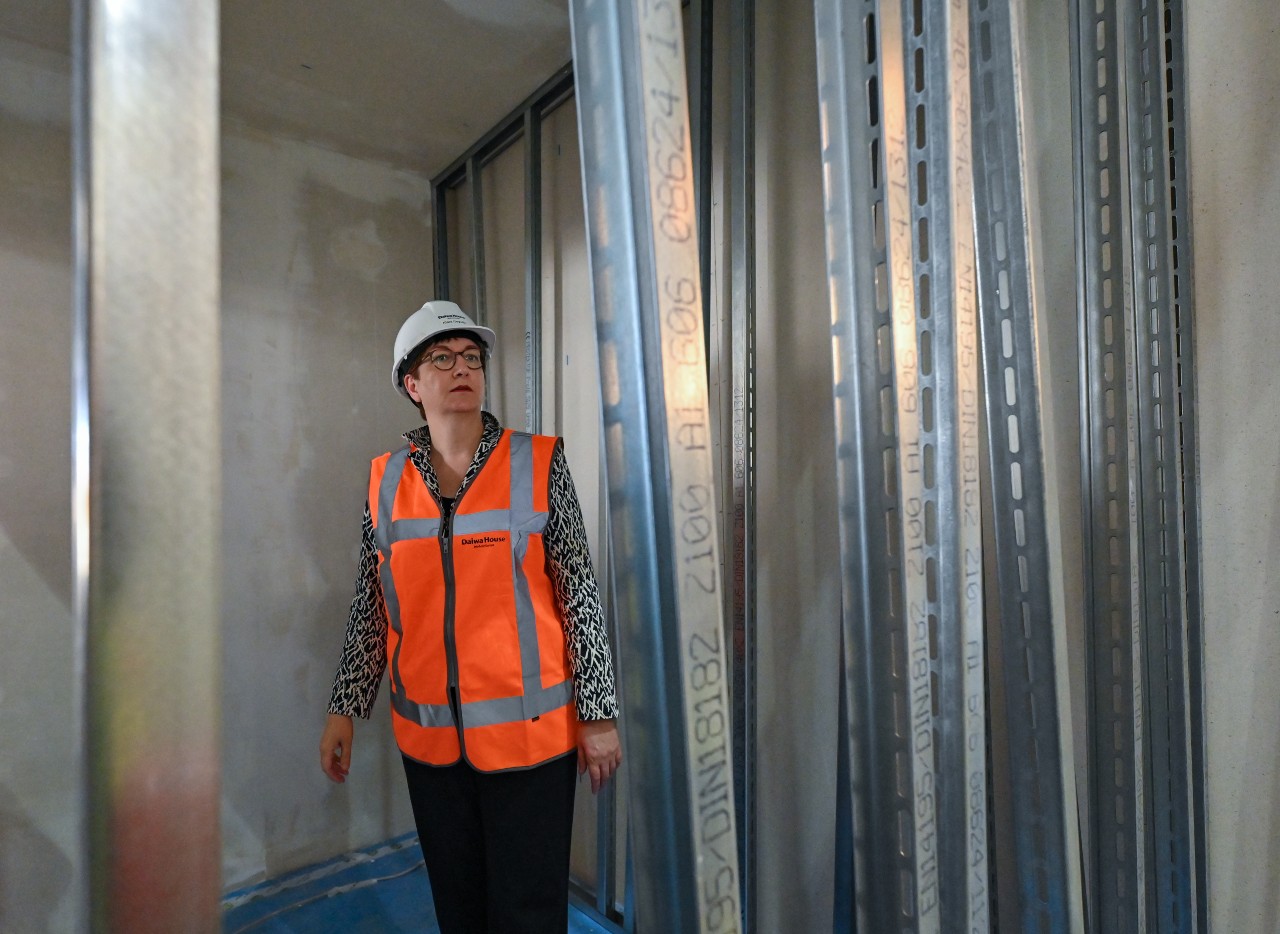
Among other things, the GdW is demanding a "clear housing strategy" that would bring down construction costs and not add additional regulations or standards.
Building affordable housing with rent controls should be treated as an "overwhelming public interest" in areas with housing shortages, the association explained.
"Germany needs to turbocharge construction," Gedaschko said.
Political uncertainty
With Germany due to hold early elections next year on February 23rd, it's unclear what will happen to the remainder of the traffic-light coalition's housing plans.
The Social Democrats (SPD) and Greens are currently governing as a minority government, and would need support from other parties to pass what remains of their agenda before parliament dissolves on December 27th.
The centre-right CDU, who are currently leading in the polls, have so far refused to support extending the rental brake, arguing that a debate on rent controls should take place after the elections.
Instead, the party wants to slash regulation in order to boost the housing stock in Germany.
READ ALSO: How much will the jobcentre pay for my rent and bills in Germany?
However, some prominent voices in the CDU have recently argued for more protections for renters.
Berlin Mayor Kai Wegner (CDU), for example, recently called on the government to extend the rental brake and also expand it nationwide.
Comments