
Of the 28 people who replied to our survey, 12 of them (nearly 40 percent) said they were currently in the process of applying for a residence permit or trying to renew their existing permit in Germany.
The rest of the respondents (about 60 percent) were not currently applying for a residence permit, but had been through the process in the past.
As to what kind of residence permit readers were applying for, respondents represented the whole gamut of potential residence titles: from permits to study or work, to applications for permanent residency, to EU Blue Cards, to residency for family reunification and more.
How long have residents been waiting for their permits?
Unsurprisingly, the range of wait times that respondents had experienced varied immensely.
Some said they had received their residence permits in just a few weeks - one person even in just a few days - whereas others said they had already been waiting for a year or more and had still not heard back or been granted an appointment with their local immigration authority.
The respondent with the longest wait time was Mohammad, a 28-year-old Palestinian from Lebanon, who said he’d waited for an EU Blue Card for 21 months in Stuttgart.
The Local has previously reported on a similar case in Nuremberg, where a reader waited for over a year for a Blue Card and only received an appointment after hiring a lawyer who threatened to sue the local Ausländerbehörde.
“The delay left me feeling disappointed and frustrated. I trusted that things would eventually work out, but the wait was challenging,” Mohammad told The Local.
He said that he had to delay visiting friends in Europe, but he has been able to visit home and return with a temporary travel certificate (Fiktionsbescheinigung).
On the other hand, residents in other parts of Germany reported significantly faster returns on both EU Blue Cards and other types of residence permits.
Benjamin Gould, a 48 year old US citizen living in Düsseldorf said that he usually waited just a week or so to receive an appointment after submitting an application. He noted that he had initially applied for a temporary residence permit, then later an EU Blue Card and finally permanent residence.
READ ALSO: EXPLAINED - Where to get free immigration advice in Germany
Most respondents, however, were somewhere in the middle, with many currently waiting on applications they had submitted three to six months prior.
Moreno Lennertz, 40, a Brazilian who lives in Munich, said he’s currently been waiting three months on a permanent residence application there.
Nancy Landrum, 63, from the US and living in Leipzig, had also recently submitted an application for permanent residence.
“I just submitted the application in October,” she said, adding, “in past years for temporary permits, I have waited about four to six months.”
Exceptionally long waits aside, many respondents reported waiting between three to eight months. The location where the application was submitted appears to be among the major factors determining how long you might have to wait.
“From the moment I sent the very first e-mail requesting an appointment until I had the card in my hands it took in Saxony on average three to six months,” said Mauricio, 32, from Costa Rica.
“In Bremen it took six to eight months,” he noted.
Mauricio started with a permit for university studies, and over the course of six years he transitioned to the job seeking permit, followed by a work permit and then finally permanent residency. So his given time ranges are presumably based on having been through the process more than once in each location.
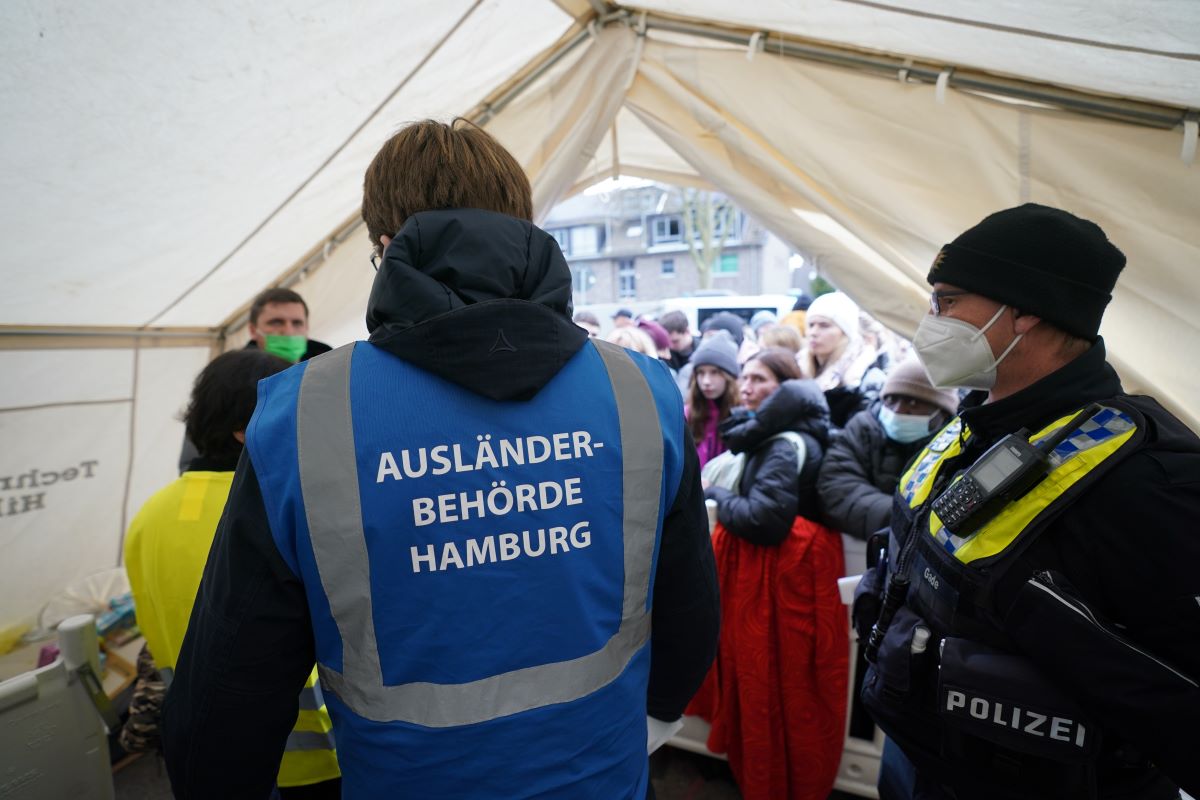
‘Stuck in Germany and unable to work’
On the topic of how their lives had been affected by the long wait times, some respondents mentioned difficulties travelling, being unable to start work and stress.
For those coming from a country where they need a visa to enter Germany, they may not be able to freely return to the country after their previous residence permit has expired.
Sam from Syria said he is effectively “stuck in Germany” for now. He has currently been waiting eight months for a Blue Card application to be processed.
Mauricio had also been in that position before: “I knew in advance that during the processing time I was in a very vulnerable situation, not being allowed to leave the country. This did make me quite anxious…”
READ ALSO: When do foreigners in Germany qualify for an expedited residence permit for travel?
For others, waiting on a residence permit could have serious financial implications, especially for those who need to change or obtain a residence permit to start employment.
For example, Guarav, 27, from India noted that he can supply a copy of his residence permit to the HR at his place of work.
What do readers recommend?
Asked if they had any advice for people preparing to apply for a residence permit soon, readers had a few helpful tips.
Most of them amounted to a couple best practices: start early and double check that all your paperwork is collected and filled out properly.
Nao, a 43-year-old from Japan, emphasised the importance of not delaying your application.
“KVR generally is helpful and will let you know if they have any questions,” Nao wrote. (KVR is short for the Kreisverwaltungsreferat - the district office in Munich that handles residence permit applications.)
“That’s the biggest difference compared to US immigration offices, which would flat out deny your application if you make a tiny mistake…So it’s almost better to apply with 80 percent confidence early rather than 100 percent confidence late (as long as you don’t lie).”
“The tricky part is proper planning and applying online with all of the necessary documents,” wrote Shaik Abdul Cader, who was lucky enough to wait only one month for his last Permanent Residence permit in Munich last May.
Stephen, who lives in Berlin and has had three different visas during his seven years in Germany, had similar advice: “Put all your documents together, in order, in one PDF/file.”
READ ALSO: EXPLAINED - How to apply for a residency permit online in Berlin
It’s worth noting that part of getting your documents in order is making sure your current passport will be valid through the time that you will receive your visa.
“Only after receiving your new passport are you authorised to make an appointment at the Ausländeramt for the renewal of your Aufenthaltstitel,” notes Robert Karl Hitzemann, 60, who has lived in Germany since 1991.
Others emphasised the value of looking for online resources and asking others for help.
“Read Facebook posts and ask around. Don't be shy, everyone has been in this position,” said Rohit, from India, who has been through the process for a Blue Card as well as other residence permits.
Of course, a good place to start is right here in The Local’s archives.
Finally, some respondents did recommend contacting a lawyer if your application is delayed for too long.
Some legal firms offer assistance with preparing your application and contacting the immigration authorities to ensure that you receive a timely response.
But legal help is not always necessary, so if you’re at all concerned about the cost of hiring a lawyer you may want to try on your own first and see how it goes.
READ ALSO: Should foreigners in Germany take legal action to speed up a residence permit?
Thank you so much to everyone who completed our survey. Although we weren't able to use all the responses, we read them all and they helped inform our article. If you have a specific question about applying for residency that you can't find an answer to in our previous articles, feel free to drop us a line at news@thelocal.de.
Comments (1)