
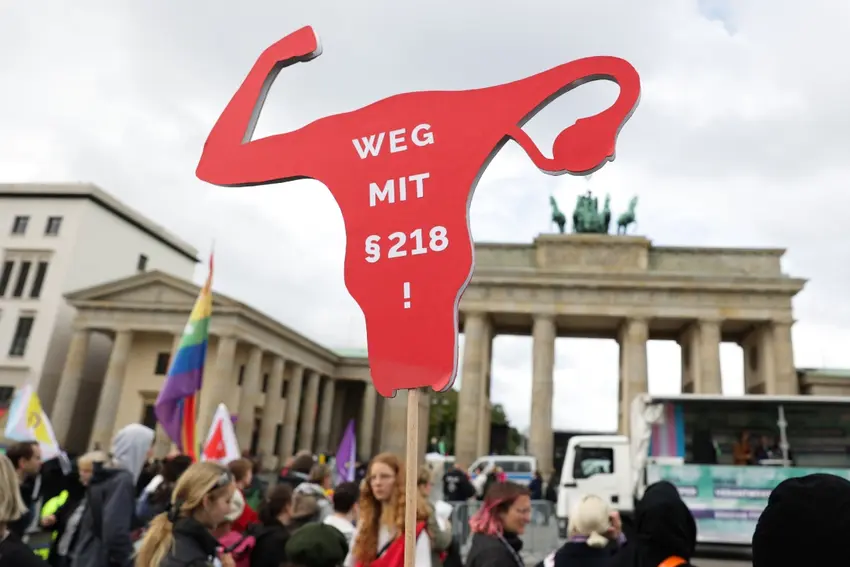
From the outside, Germany is known as a progressive and liberal country. So it surprises many foreigners to learn about the laws around women's reproductive health.
Abortions are illegal under Section 218 of the German criminal code. However, they are tolerated in practice for women who are up to 12 weeks pregnant and have received compulsory counselling. There are also exceptions for women who have been raped or whose life is in danger. In these cases, people can end a pregnancy without facing any legal consequences.
Campaigners have been pushing for years to remove abortion from the criminal code in Germany, saying it stigmatises abortion and puts women at risk and limits them from making informed decisions. A commission set up by the government released a report this year calling for abortions to be legalised in the first trimester.
Now a group of cross-party MPs are aiming to change the law before Germany gets a new government next year. The Bundestag can still pass laws until the new election on February 23rd.
"We are submitting the motion for the new regulation of abortions because we assume that it can still be passed in this legislative period," said Green MP Ulle Schauws and Social Democrat Carmen Wegge in a statement.
The proposal calls for abortions in Germany to be legal in the first 12 weeks of pregnancy. The obligation for counselling would remain, but without the waiting period of three days between counselling and the abortion. If an abortion is carried out without a counselling certificate, only the doctor would be liable to prosecution in future, while the pregnant person would not be punished.
READ ALSO: Will abortion soon become legal in Germany?
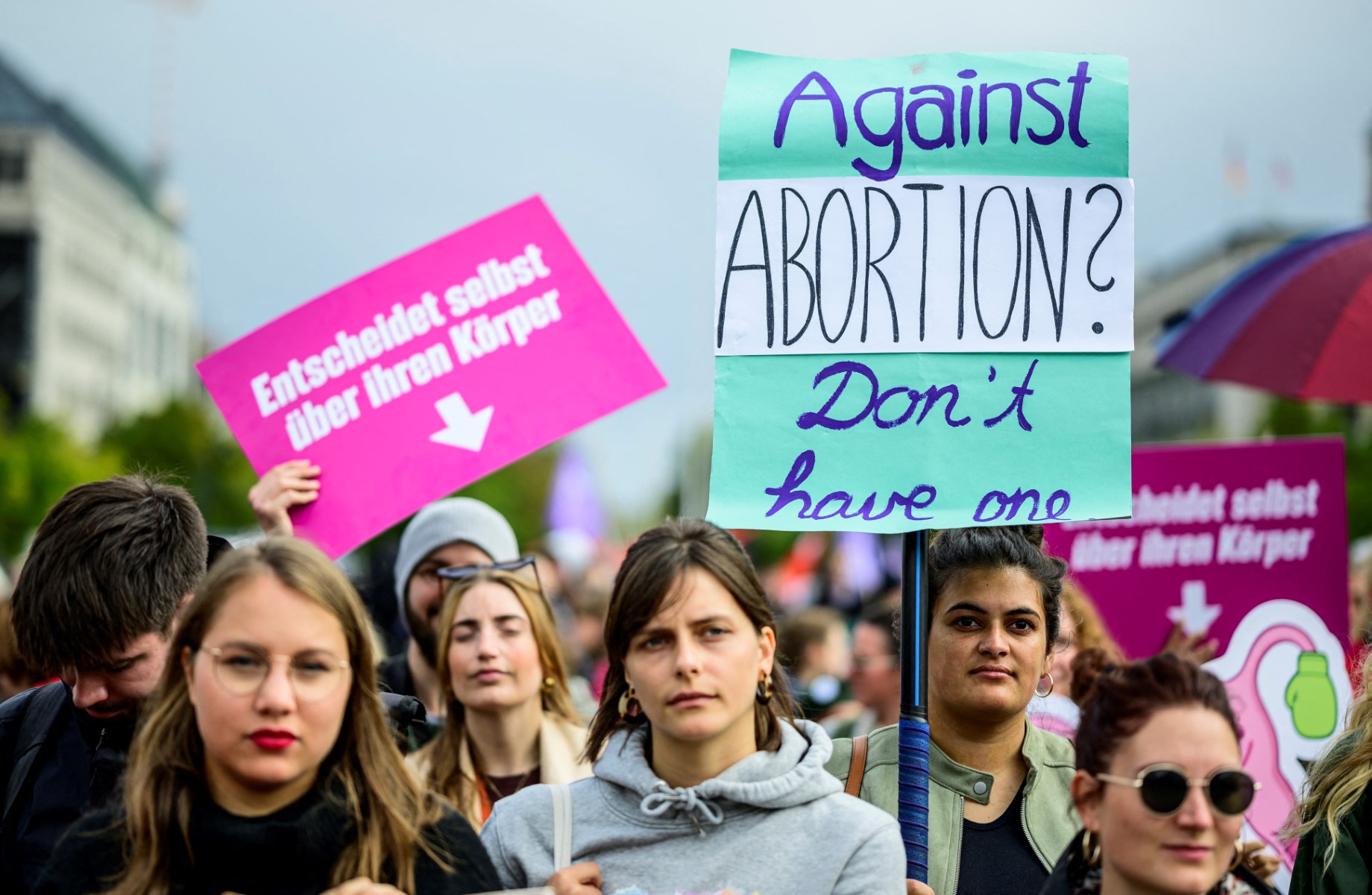
The law also foresees that the costs of an abortion would be covered by statutory health insurance. Furthermore, abortions would no longer be regulated in the criminal code, and instead would be in the 'Pregnancy Conflict Act', which would set out the requirements for counselling.
Dr Alicia Baier, chairwoman of campaign group Doctors for Choice, said the proposal was welcome although in her opinion it doesn't go far enough. Getting rid of the obligatory counselling, for instance, has been a key aim for pro-choice campaigners in Germany.
"We welcome it, even if it doesn't fulfil all our expectations and requests," she told The Local. "It's still not in line with the World Health Organisation (recommendations on abortion), but there are a lot of positive steps that are long overdue."
Baier said the current rules make abortions in Germany "less safe".
"Abortion is still regulated in the criminal code, next to murder or manslaughter, and this is really stigmatising," she said. "Also, with this waiting period of three days after obligatory counselling - it costs time and means that abortions happen later than they could.
"On the other hand, it doesn't reduce the number of abortions, but only makes them less safe"
Baier said an important factor in the new proposal was for health insurers to cover costs. Currently, abortion in Germany can cost between €200 and €650 depending on the methods involved. People can apply for financial help from their health insurance but most have to cover it themselves.
"It's socially unjust," she said.
'Crucial time'
MPs face a race against time to drum up support and pass this law. Polls show that the conservative Christian Democrats (CDU) and the CSU are ahead in the polls, meaning they have a good chance of leading Germany's next government. The Union are opposed to changing abortion laws.
"It's a very crucial time point," said Baier, adding that it will likely be "the last opportunity for some years" due to political developments.
"So it's important that this goes through now so we have some improvement," she said.
With Donald Trump, who has helped pave the way for US states to limit or ban abortions, set to once again become president of the US, Baier said it was all the more important for Germany to make changes.
The rollback of women's reproductive rights in the States "shows that it could happen in every country - also Germany", she said, adding, "Reproductive rights are endangered."
READ ALSO: Fact check - is abortion really illegal in Germany?
Despite the pushback from some in Germany, Baier said she felt the push to legalise abortion in Germany has a good chance of being approved in the Bundestag because the demands do not go very far.
Women and Families Minister Lisa Paus, of the Greens, has also thrown her weight behind the motion.
She said women should be able to make their own independent and self-determined decisions about how to deal with pregnancy in the early stages "without being criminalised".
Paus added that this attitude is shared "by the vast majority of the population and across all party lines" and criticised her own government for not taking action sooner.
Other women's reproductive health groups have spoken out in support of the new bid to legalise abortion.
“At the moment, German abortion law is rooted in an outdated legal framework that fails to meet the health needs and respect the fundamental rights of women,” said Adriana Lamačková, Associate Director of National Legal Strategies for Europe at the Centre for Reproductive Rights.
"This legislative proposal represents an essential step forward. If adopted, it will move German abortion care closer to modern, evidence-based standards of care. We hope that German lawmakers will seize this opportunity to safeguard women’s health, autonomy and dignity."
Although there is growing appetite for change, pro-life events such as Marsch für das Leben (March for Life) take place regularly in German cities.
Earlier this year, around 4,000 people joined a march in Berlin and 3,500 in Cologne, demonstrating against abortion and euthanasia.
Comments