
Among liberal and progressive US citizens, interest in moving abroad is surging following the election of Donald Trump, who is set to take office as US President for the second time in January.
According to a report by Newsweek, a website offering visa services for US citizens saw an unprecedented 2,300 percent jump in web traffic the day after the US election.
A spokesperson from the website Studying in Germany, also told The Local that their website has seen about three times the normal traffic since the US election. They added that search terms like “studying in Germany” saw significant surges in the US following the election.
But while some in the US are just considering moving abroad for the first time, for those who have lived in Germany for years, this moment may feel a bit like a collective déjà vu.
The difference, however, is that the stakes appear to be higher this time around. Since the last time Trump was in office, conflicts have flared both in Ukraine and in Gaza and now Lebanon. Meanwhile the German government is in the midst of its own rearrangement and the country’s politics have also swung noticeably to the right on a number of issues.
These reasons among others may give pause to anyone who is considering moving to the Bundesrepublik. So we thought it’d be worth sitting down with an American who’s lived and worked in Germany for some years to ask about the pros and cons of life here compared to the US.
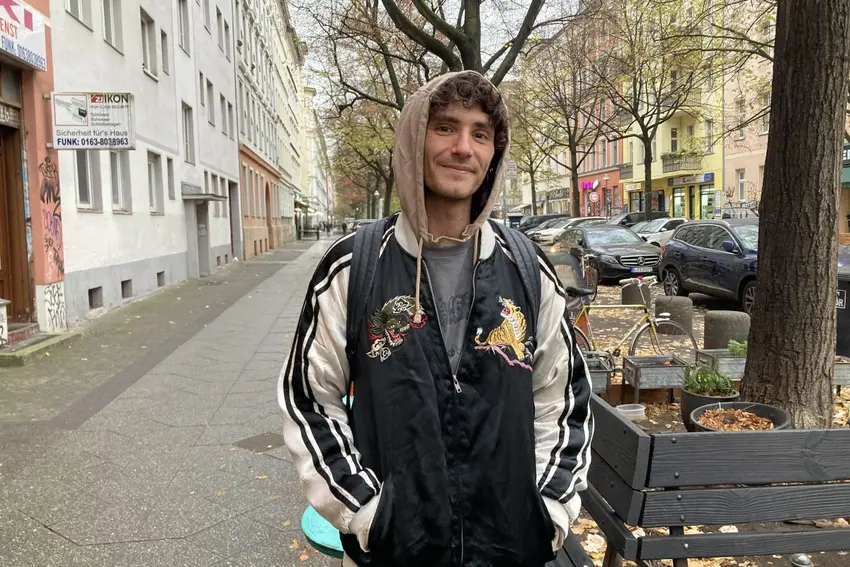
Jason Heinen, a 30 year old from the San Francisco Bay Area, has lived in Berlin since the end of the last Trump presidency.
Considering his job, as a technical product manager, Heinen could earn more (and pay less tax) in the US. But he says that the work-life balance offered in Germany, and the community he’s found in Berlin, will keep him here for years to come.
That said he does have some concerns about the present moment in Germany, and where the country appears to be headed.
Working in Germany compared to the US
Asked why he’s found himself in Berlin, Heinen doesn’t hesitate: “Oh it was the rave scene - absolutely!”
Although he became a German resident in 2020, Heinen says he had been travelling to Germany and Berlin regularly for five years before that. During those initial visits, he was struck by how readily people engaged in the music and party scenes could support themselves and live a more-or-less carefree life.
“You just see people who are living a comfortable life being an artist…more than you ever could in a city like New York, Paris or London,” he said.
Of course cheap living in Berlin (and other German cities) was easier five or 10 years ago, but the point stands – the basic cost of living in Germany tends to be a bit cheaper than in big American cities.
In Heinen’s case, however, the bigger blessing is the German emphasis on a healthy work-life balance.
“I am privileged to have a job that gets me a visa and pays me well,” he said, adding that his job offers six weeks of paid vacation - which is offered by many companies in Germany - but is nearly unheard of among workers in similar roles in the US.
Heinen also noted that his health insurance coverage “seems better” in Germany. “I don't know if I actually save any money here," he said, "I just feel more taken care of…I feel less scared that if something awful happens, I'll be taken care of.”
READ ALSO: Five ways working in Germany is better than employment in the US
Trump ‘makes you feel less safe’
Heinen told The Local that he isn’t interested in moving back to San Francisco or to another US city at the time being, but that decision is based more on the quality of life he enjoys in Berlin rather than politics.
But he does have some serious concerns about the coming years as Donald Trump gears up to take control of the largest economy and most powerful military in the world.
“For the first four years Trump was in power, I didn't feel safe in America at all. Moving to Germany felt amazing,” Heinen said, adding that the current Trump victory feels even more meaningful because it’s “not a fluke anymore”.
Now that he’s firmly rooted in Germany, Heinen is primarily concerned with how Trump’s foreign policy may affect global conflicts.
“What he's doing in America has always been [messed] up and awful,” he said. “But what's going to happen with the war in Ukraine? What's going to happen with Israel and Gaza, or with China and Taiwan? You know the ripple effect is stronger now…”
He added that being geographically closer to Ukraine makes the consequences of US policy there more palpable.
Asked what he might tell a friend who was considering moving to Germany to avoid the coming Trump term, Heinen didn’t want to encourage people to just flee.
“I don’t know if it would solve all your problems,” he said. “It depends what you want to do.”
Speaking about Berlin specifically, Heinen says it's a great option for Americans seeking a better work life balance, or for those who want to pursue art or a more alternative lifestyle but he doesn’t think it’s the best destination for those pursuing career growth.
Regarding those who are concerned about Trump in particular, he noted that sticking around in the US may ultimately be a more noble choice.
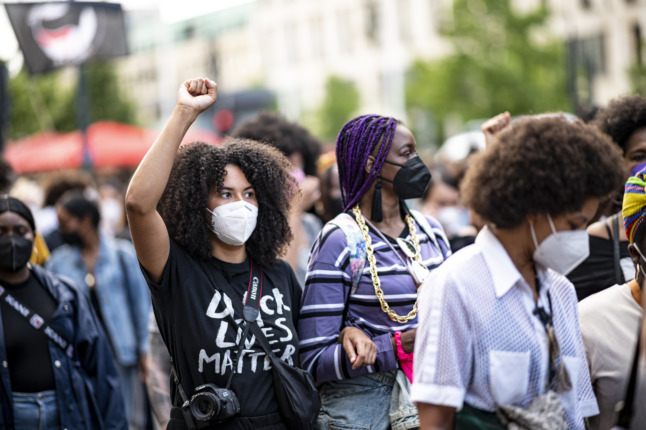
Heinen noted that efforts to make things better tend to gain traction during times of adversity, such as the growth of the Black Lives Matter movement in response to police violence during Trump’s last term.
“America is going to be a huge breeding ground for some of these counter movements right now.
“I hope people don't give up immediately, and I hope people find solidarity with one another. I find there's a huge confrontational quality of politics right now…but we need a little bit more compassionate understanding so that we can move things together. Despair or anger doesn't help you connect with people to find a solution.”
Concerns that pro-Palestine protestors are being silenced
Asked about the biggest issues he currently faces in his daily life in Germany, Heinen called out what he described as censorship and oppression specifically aimed at the pro-Palestine protest movement.
“For posting on Instagram or for being at a protest, I can theoretically get my visa status removed,” Heinen pointed out, alluding to a recently approved resolution which gives the German authorities considerable power against anyone who voices criticism of the state of Israel.
“In the US I have every right to say whatever I want.”
READ ALSO: Why Germany's resolution against anti-Semitism is attracting so much controversy
As an Armenian-American, Heinen’s grandparents fled the Armenian genocide – an event that he notes hasn’t been largely acknowledged. He says this family history inspires a great deal of empathy in him for both the Jewish and Israeli people historically, but also for the Palestinian people in the current moment.
Although Heinen understands the German perspective regarding Israel, and has empathy for those who want to defend Israel, he believes a fundamental line has been crossed.
"The children who are dying in Palestine should not be dying,” he said.
And, in Germany, he suggests the right to protest that should be upheld.
Have you moved to Germany and want to share your story? Let us know by emailing news@thelocal.de
Comments