

Nearly a quarter of health insurance providers in Germany, have increased their premiums since the start of this year, according to reporting by Focus.
Between April and September, 22 out of 95 insurance companies had increased their contributions, affecting approximately 7.6 million customers, to be precise.
Seeing this many contribution raises in a year is remarkable. In comparison, just one company raised its contributions in the middle of 2023, and just three did so in 2022. It's more common for insurance companies to raise contributions once at the beginning of the year.
Which insurance providers have raised rates?
These raises were noted among statutory insurance providers (GKV) - also referred to as public insurance.
Insurance provider KKH raised its contributions from 1.98 percent to 3.28 percent in August, and BKK24 raised its rate from 1.89 percent to 2.55 percent. BKK Wirtschaft & Finanzen raised contributions from 1.99 percent to 2.99 percent in September.
You can find a list of companies that recently increased rates here.
Some of the bigger providers that have not resorted to increased contributions include: HKK, TK, Audi BKK, HEK, Energie-BKK and BIG direkt gesund. According to Focus, these providers have maintained additional contributions below the industry average of 1.78 percent.
How much can I save by switching?
According to a calculation conducted by Focus, someone earning €3,000 monthly with no kids who switches from what is currently the company with most expensive contributions (KKH) to the company with the cheapest contributions (BKK Firmus) can expect to save just over €300 per year.
At a monthly salary of €4,000 the saving would be just under €400, and someone with monthly net earnings of €5,000 could save about €465.
READ ALSO: Does my German health insurance cover me if I get sick abroad?
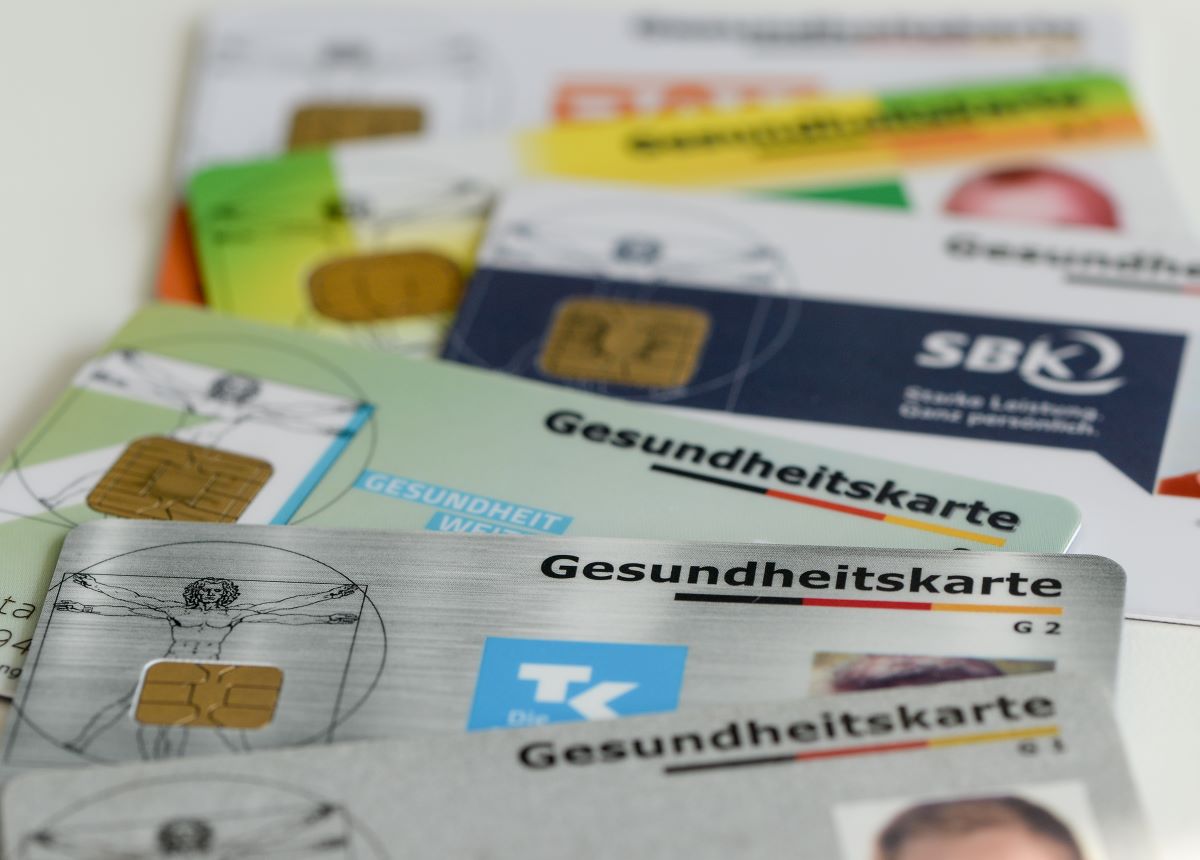
Is it easy to switch insurance providers?
To reside in Germany you are legally required to keep health insurance that meets statutory requirements. So you'll need to secure coverage with a new provider before deregistering from your old one.
In practical terms, this means you can submit a membership application with a new insurance provider, and they will generally handle the rest for you - including cancelling your old health insurance, for example.
If you've just signed on with an insurance company this year, you may be locked into a 12-month contract. But you do have a special right of termination if your premium has increased.
To take advantage of this, you need to submit the cancellation to your insurance provider within one month of being charged the higher contribution.
If you've been with a provider for 12 months or more, you are free to cancel your membership from month to month.
READ ALSO: Reader question - How can I change my German health insurance provider?
But foreign residents may want to consider the services offered by insurance companies in addition to the rates they charge. AOK and TK tend to be recommended to foreign students and newcomers, for example, because they offer some support services in English.
Some insurers may also charge higher rates but offer a wider range of services, such as additional dental treatments or reimbursements for private therapy, so this is also something to consider before switching.
What about private insurance?
If you earn more than €64,350 per year, you may want to consider switching to a private insurance company that can offer comparable coverage for a lesser percentage of your salary.
But this is not a decision to make quickly. Many private insurance companies are also raising rates at the moment.
Also, keep in mind that private insurance plans generally come with contributions that increase over time, regardless of your income. So they can end up being more expensive in the long term.
For this reason, some people recommend sticking with a statutory insurance provider if you plan to retire in Germany.
READ ALSO: EXPLAINED - Can you switch from private to public health insurance in Germany?
Comments