
Germany’s capital is also the leading destination for foreign residents. The city-state has the highest proportion of non-Germans at about 25 percent as of the end of 2025.
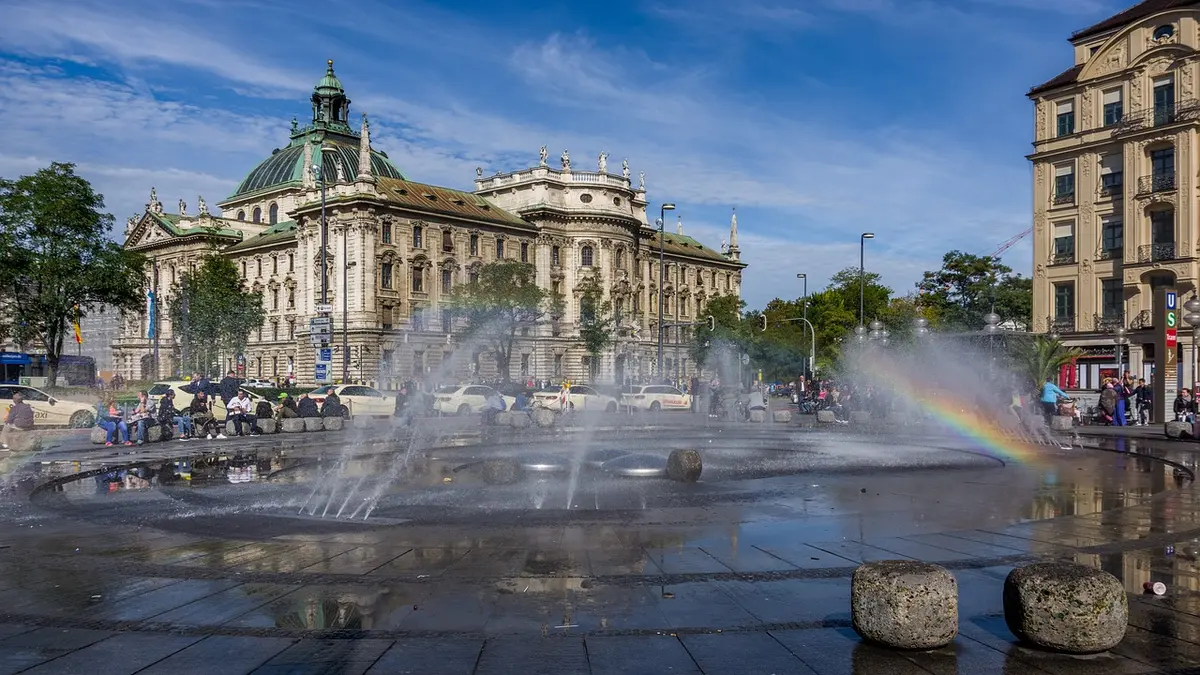
But Munich, capital of the southern "Free State" of Bavaria, also lures in its fair share of foreign nationals, especially those who are looking to join one of Germany's largest firms like Allianz or BMW, or otherwise step into one of the region's upcoming start-ups.
When it comes to wages, figuring out what’s considered a good salary can be difficult. Foreigners in Germany are often paid less than locals, with the biggest gaps existing between foreign women and German men.
Average salaries in Munich versus Berlin
According to data published by Germany’s statistical office (Destatis), the average monthly salary across Germany in 2025 for full-time employees was €4,851. This corresponds to an annual salary of approximately €58,212 before tax or other deductions.
But salaries in Germany can differ significantly depending where you live.
Munich, for example, is known to have some of the highest salaries in the Bundesrepublik.
According to EuroSalary.eu, which shares salary information for different professions in cities across Europe based on publicly available data, an average salary in Munich in 2026 was €60,000 (or €72,000 for workers in the tech industry). In comparison the same site lists Berlin's average yearly salary at €50,000 (or €62,000 in tech).
Of course these figures are averages – and appear to be rounded to the nearest thousand euros – but they illustrate a real world trend that is confirmed by the data again and again: That workers in Munich can expect to earn somewhere around 10 to 20 percent more than those in Berlin in the same position.
READ ALSO: Which companies in Berlin offer jobs that don't require German?
Your own salary, or a salary on offer, may of course be significantly lower or higher depending on your profession and experience. But high-earning professions aside, in most places in the country, if you’re earning around €50,000 or more, you’ve got a pretty decent salary by German standards.
What’s left after tax?
High or not, your gross salary (Bruttolohn) is only really important to your day to day life in that it correlates to your net salary after taxes, health insurance and social security deductions (Nettolohn), which is what you’ll have left to spend.
In Germany, you can typically expect a tax rate between 30 to 45 percent of your gross salary – including pension and health insurance contributions. Your exact tax rate depends on your salary and other factors including your age, marital status and the state you live in.
According to this simplified tax calculator for Berlin residents, if you are earning €50,000 in 2026 you’ll pay 35 percent in taxes–to be left with €32,373.
That number may sound unreasonably small to someone living and working in the US, or another country that generally has higher pay and lower taxes. But in Germany a lot of basic living costs, including rent and food are considerably cheaper.
READ ALSO: Germany, Austria or Switzerland - Where do residents pay the most income tax?
Also, that higher tax rate ensures that most of your necessary medical costs are covered, as well as unemployment pay if needed, and a pension for later in life.
Cost of living in Munich and Berlin
At the end of the day, most full-time workers in Germany find that they can live comfortably, or even support a family on a German salary. In fact, affordability is one reason that is constantly named by foreign residents as one of Germany’s main perks.
That said, where you live in Germany does make a difference.
In general, the former East German states still have the lowest cost of living. On the other hand Germany’s biggest cities–like Berlin or Munich–have the highest rents and the highest costs of living overall.
Munich has long had a reputation as being among Germany’s most expensive cities, and recent cost of living rankings tend to back that up.
A cost of living ranking for European cities in 2026 by Numbeo, which relies on cost data input by users of the site, suggests Munich is the most expensive city to live in Germany (and the 24th most expensive city in Europe).
Munich was followed by Frankfurt, Dusseldorf, Heidelberg, Hamburg and six more German cities before Berlin, according to the same ranking.
READ ALSO: Where do people in Germany speak the best English?
According to comparison portal LivingCost.org Munich is still marginally more expensive than Germany’s “poor but sexy” capital, but the gap is narrowing.
The site suggests that Berlin is six percent less expensive than Munich, and that the average after-tax salary is enough to cover living expenses for 1.4 months in Berlin compared to 1.7 months in Munich.
In simpler terms this means that workers in Munich might fare slightly better than those in Berlin, in terms of income left after all basic living expenses have been paid.
Comments