
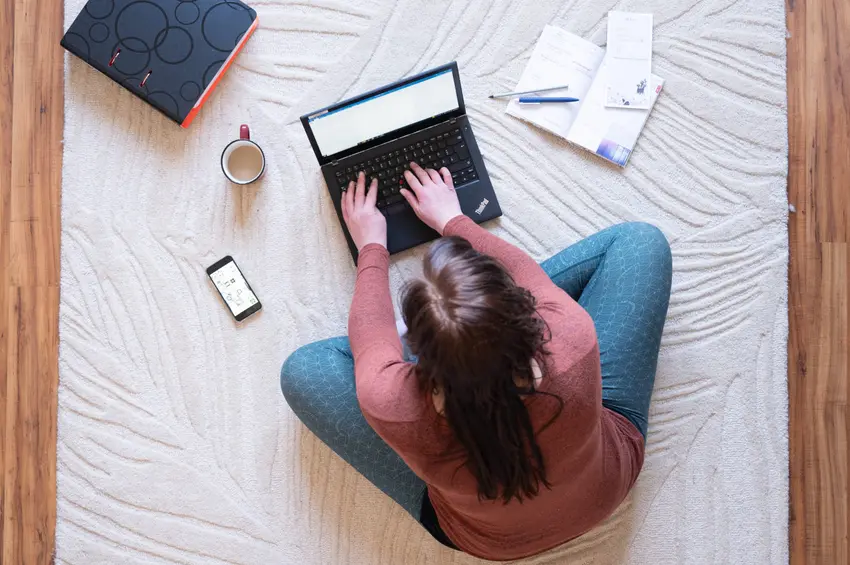
In many ways, the coronavirus pandemic brought technophobic Germany kicking and screaming into the 21st century. Bureaucratic processes were moved online, shops started using contactless card machines for better hygiene, and workers were allowed to eschew the office in favour of meetings online.
Some things later returned to normal, such the decision made by the Berlin Senate to require in-person address registrations once again. But other changes endured - perhaps none more so than the trend of working from home.
According to a recent study by the ZEW economic research institute, remote working is still going strong in Germany even after most offices have reopened their doors. In 82 percent of companies in the information economy, employees work from home at least once a week, while in the more location-bound manufacturing industry, the figure is 48 percent.
READ ALSO: Can I have a freelance side gig as an employee in Germany?
According to study director Daniel Erdsiek, the proportion of companies that allow their employees to work from home at least one day a week has remained at a consistently high level since the pandemic.
Rather than trending back towards on-site work, the number of employees working from home has even increased slightly since last year. In 2023, 80 percent of companies in the information sector and 45 percent of manufacturing companies offered either hybrid or remote working.
A change in the status quo
The ZEW study also paints a stark picture of how much the pandemic has shifted working habits in Germany.
Before Covid, the proportion of companies with home office regulations in the information economy - which includes the information and communication sector, media and service providers - was just 48 percent. In the manufacturing industry, meanwhile, the figure was 24 percent.
"With a view to the next two years, companies do not expect to reduce the number of job roles with at least one home office day per week," said Erdsiek.
Instead, it is expected to increase further, with 88 percent in the information economy and 57 percent in the manufacturing industry offering hybrid jobs by 2026.
Companies also anticipate that a greater number of workers will choose to work from flexible locations in the future.
READ ALSO: How employees in Germany can pay less tax this year for working from home
More flexible working at larger companies
Despite the increase in the number of companies offering remote work, the study also shows that many employers expect their workers to head to the office for at least a couple of days per week.
In the information economy, for example, just 22 percent of companies currently allow their employees to work from a home office for the whole working week - up from 12 percent before the pandemic.
Around 1,200 German companies in the manufacturing and information industry took part in the representative survey in June.
Among other things, the survey asked about the proportion of employees working from home and the expected changes in home office use by 2026.
Should employees return to the office?
In recent months, there has been a debate about the return from the home office to the office at major companies such as the software group SAP and Deutsche Bank.
Since the pandemic, Labour Minister Hubertus Heil (SPD) has also attempted to enshrine the right to work remotely in certain sectors in Germany's labour laws - so far without success.
The government's coalition pact stipulates that employees - depending on their profession - should have the right to work from home at least some of the time.
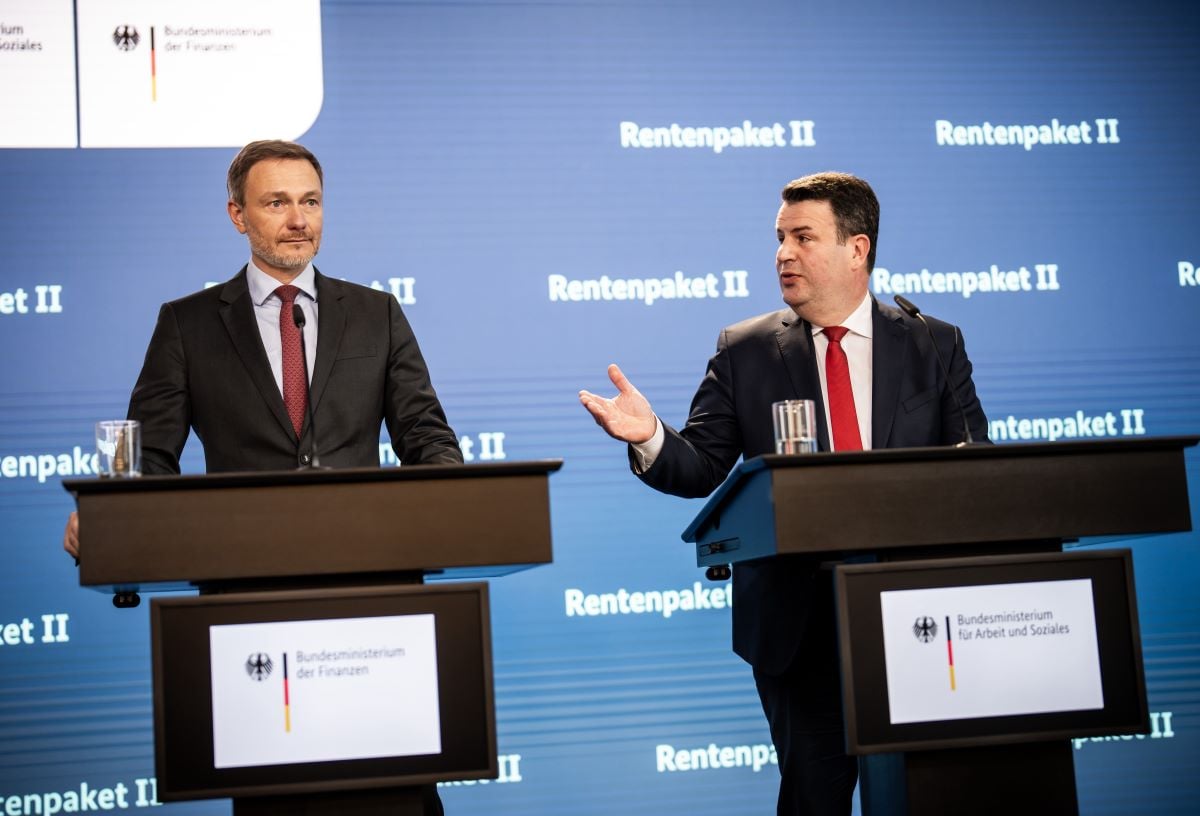
However, staunch opposition from the German Employers' Association (BDA) and a lukewarm response from the pro-business Free Democrats has made this difficult to implement.
Most recently, Heil has changed tack and presented a non-binding recommendation that office workers should be permitted a hybrid work schedule where they can occasionally work from home.
READ ALSO: Will Germany's 'right to work from home' ever be introduced?
However, the Greens are calling for a return to the original plan to make 'home office' a legal right.
"Working from home is particularly important for women in order to reconcile family and career," Greens labour expert Beate Müller-Gemmeke told Tagesspiegel. "It's about control over my time: when I work, how long I work and where I work."
Comments